1. Compatible with the exclusive raw material ratio specifications for our factory's complete equipment systems (standard production formulation for equipment calibration).
By optimizing the mixing torque and hydraulic forming pressure parameters of our plant's mixers, we have calibrated two standardized mass-production formulations that effectively prevent perlite water absorption, segregation, and aggregate fragmentation. The equipment comes with pre-set ratio parameters from the factory, eliminating the need for repeated manufacturer adjustments, while ensuring optimal water-to-cement ratios and material input proportions tailored to operational conditions.
1. Standard insulation blocks (for interior walls, partition walls, and insulation filling)
42.5 Ordinary Portland cement: 22 parts; construction-grade expanded perlite (closed-cell particles 3–6 mm): 55 parts; fly ash solid waste: 16 parts; special water reducer: 0.4 parts; waterproofing and foam-stabilizing agent: 0.3 parts; clean tap water: 6.3 parts. The water-to-cement ratio is controlled at 0.38, with an overall dry density of 650–750 kg/m³. This mixture is designed for mass production using our factory's standard mixing plant and basic static pressing brick machine.
2. Load-bearing blocks (for exterior wall envelopes and low-rise load-bearing walls)
42.5 Sulfoaluminate cement: 28 parts; High-strength closed-cell perlite (2–4 mm): 42 parts; Mechanically processed fine sand: 20 parts; Polypropylene crack-resistant short fibers: 0.5 parts; Water reducer: 0.5 parts; Tap water: 8 parts; Water-to-cement ratio: 0.42; Overall dry density: 950–1100 kg/m³; Compatible with our plant's reinforced stable pressing brick production line; The finished products achieve a 100% compliance rate for compressive strength.
Rigid equipment specifications: Our complete systems are designed to accommodate building-grade closed-cell expanded perlite by default, with dust removal and spray pretreatment modules pre-installed at factory shipment; the use of horticultural-grade perforated perlite is strictly prohibited. Should customers face raw material constraints, we provide free upgrades to the material-modified spraying system to prevent block brittleness and insufficient strength. The equipment features an integrated moisture content detection module that automatically ensures feed moisture levels remain ≤3%.
II. Our factory's customized complete equipment production process (specifically tailored to the characteristics of perlite materials)
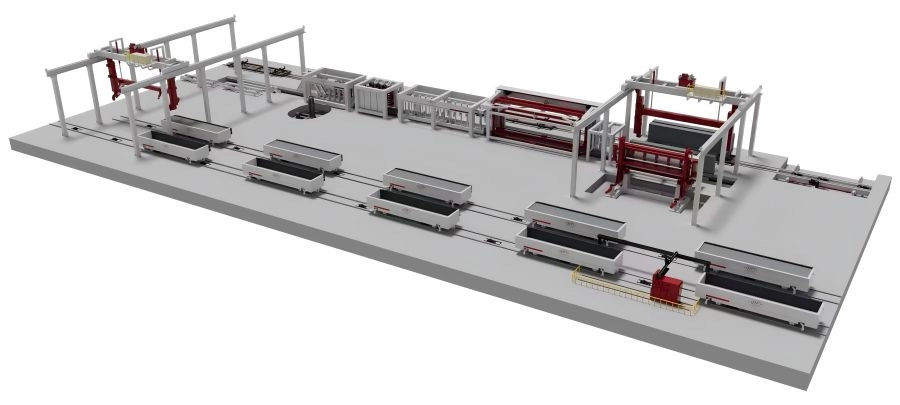
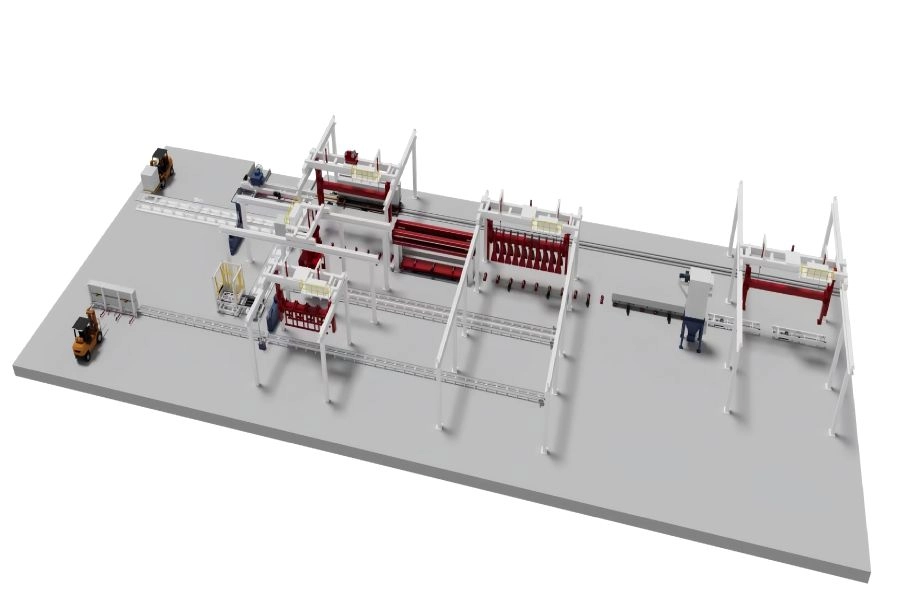
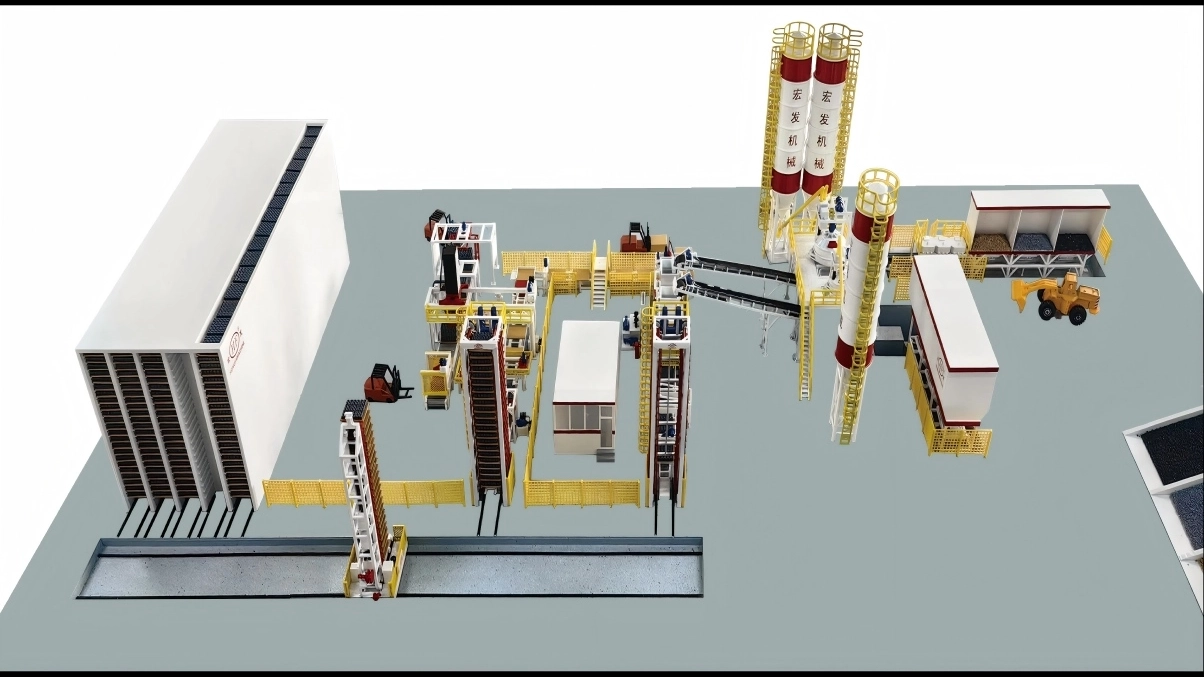
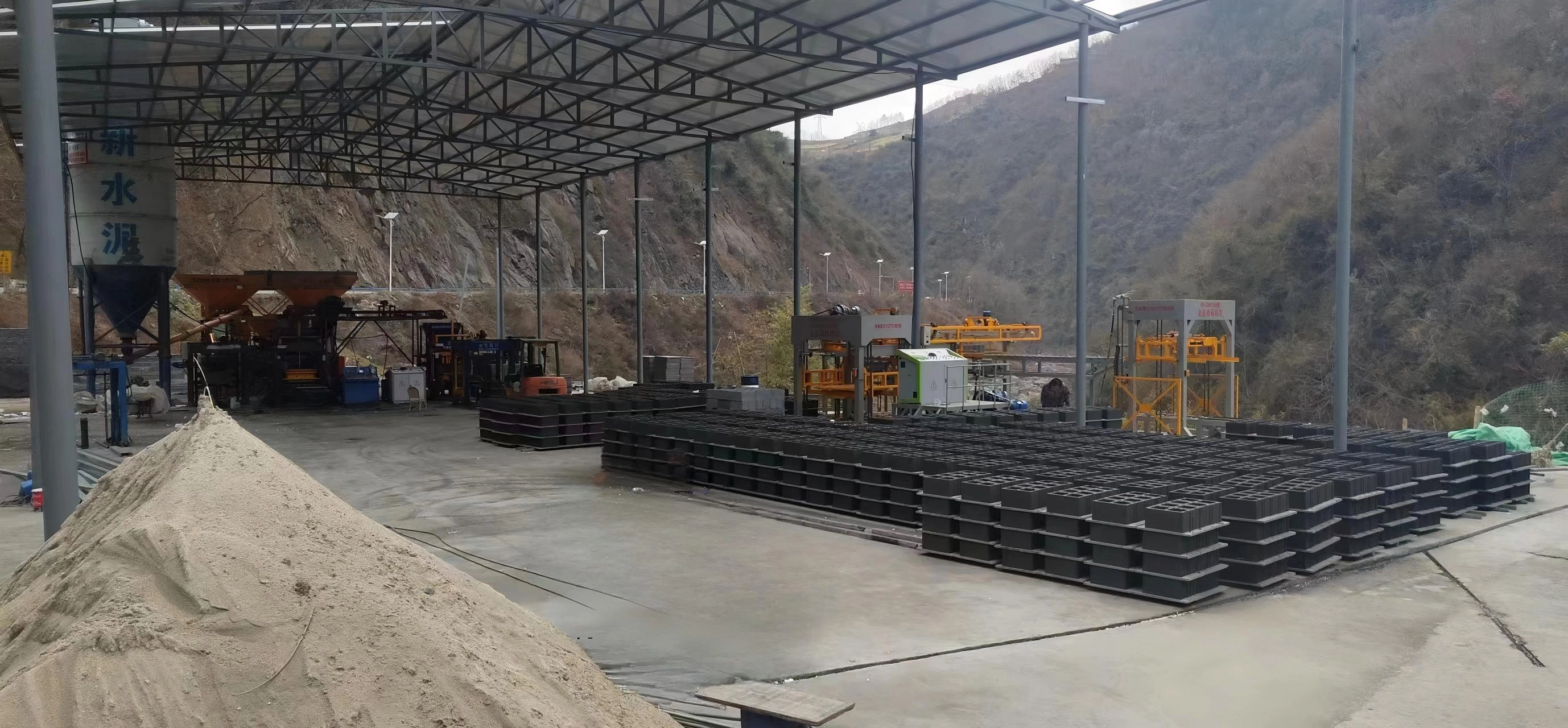
Conventional brick production lines on the market suffer from critical flaws: mixing tends to result in layering, pressing pressure is difficult to control, and vibration intensity is excessively high, which readily crushes perlite aggregates, leading to compromised thermal insulation performance and insufficient strength of the blocks. Leveraging material characteristics, our factory has specifically optimized the overall machine structure, electrical control system, and hydraulic system, developing a dedicated integrated production line for perlite blocks with fully automated operation across all processes and customized equipment for each phase—eliminating the need for significant technical upgrades by customers.
1. Raw material pretreatment + dedicated stirring equipment (self-developed anti-segregation stirring system)
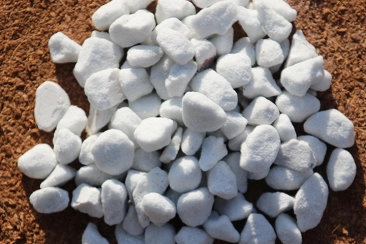
(1) Pre-treatment supporting equipment
This system is equipped with our factory's integrated screening and dust removal unit, combining three core functions: dust removal, screening, and atomization modification to automatically eliminate ultra-fine dust and clumped waste materials. It features a micro-interfacial agent spraying module that precisely seals the surface pores of perlite, preventing water absorption-induced cracking during mixing. Additionally, a parallel auxiliary pre-mixed material storage bin ensures prior homogenization of fly ash and sand/gravel, eliminating voids in dry materials and reducing manual intervention.
(2) Dedicated forced counter-current mixer (core marketing highlight)
To phase out outdated drum mixers from the industry, our factory has developed a dedicated variable-frequency reverse-flow mixer with a specialized electrical control program that enables standardized operation via one-touch start/stop: ① Low-speed pre-mixing mode: automatically adds cement, sand, gravel, and fly ash at a constant speed of 45 rpm for 60 seconds to solidify the base slurry; ② Adaptive speed reduction feeding: the system automatically decreases speed to 25 rpm for uniform screw feeding, preventing high-speed impact-induced crushing of perlite; ③ Constant-temperature conditioning mixing: automatically adjusts admixture ratios and water supply, delivers material after precise 90-second mixing with total mixing time limited to ≤3 minutes. The exclusive anti-floating stirring paddle design completely resolves common issues of perlite floating and aggregate stratification, increasing material qualification rate to 98%.
2. Specialized press molding machine (our factory's core differentiated equipment with industry-exclusive calibration parameters)
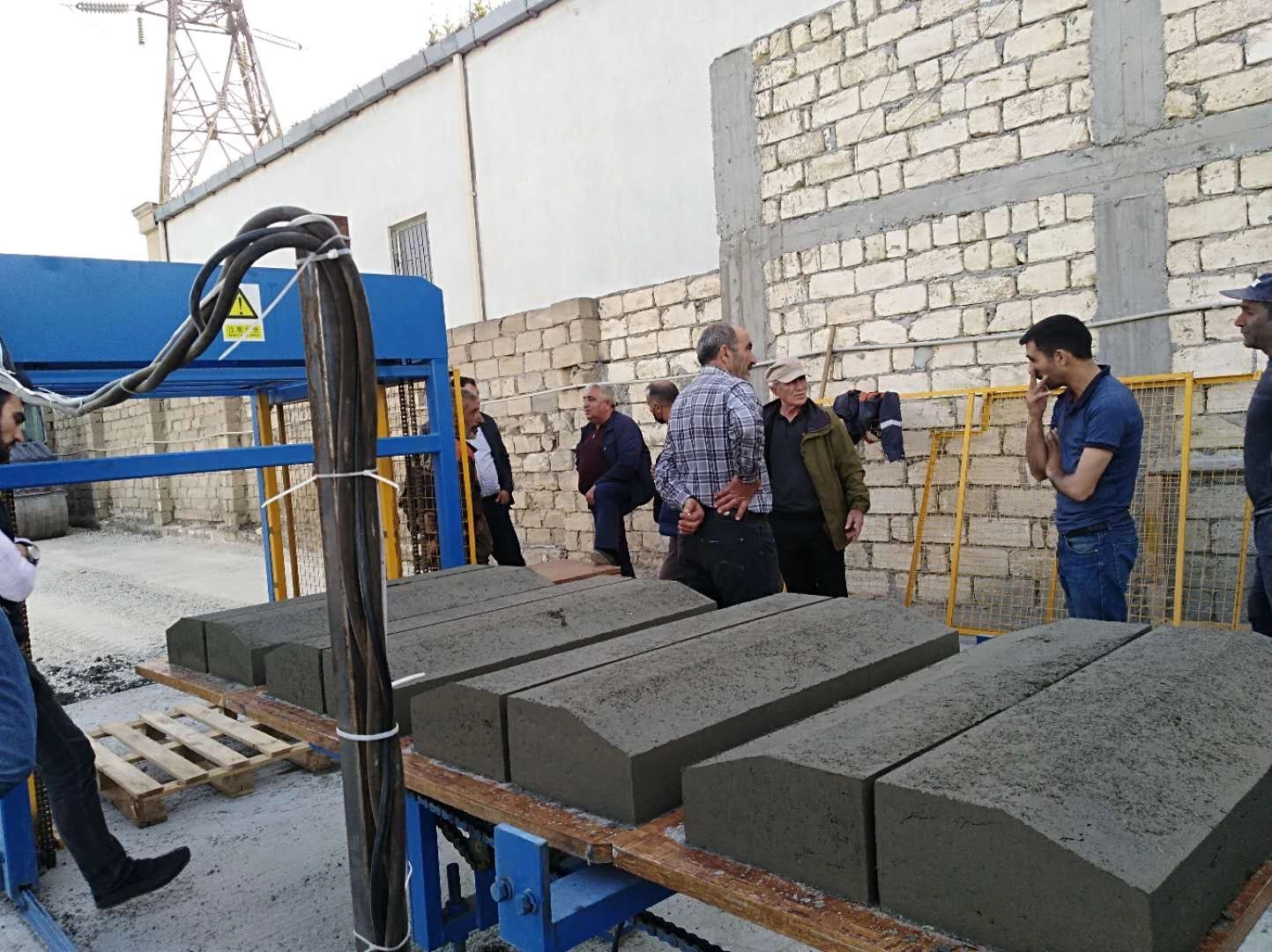
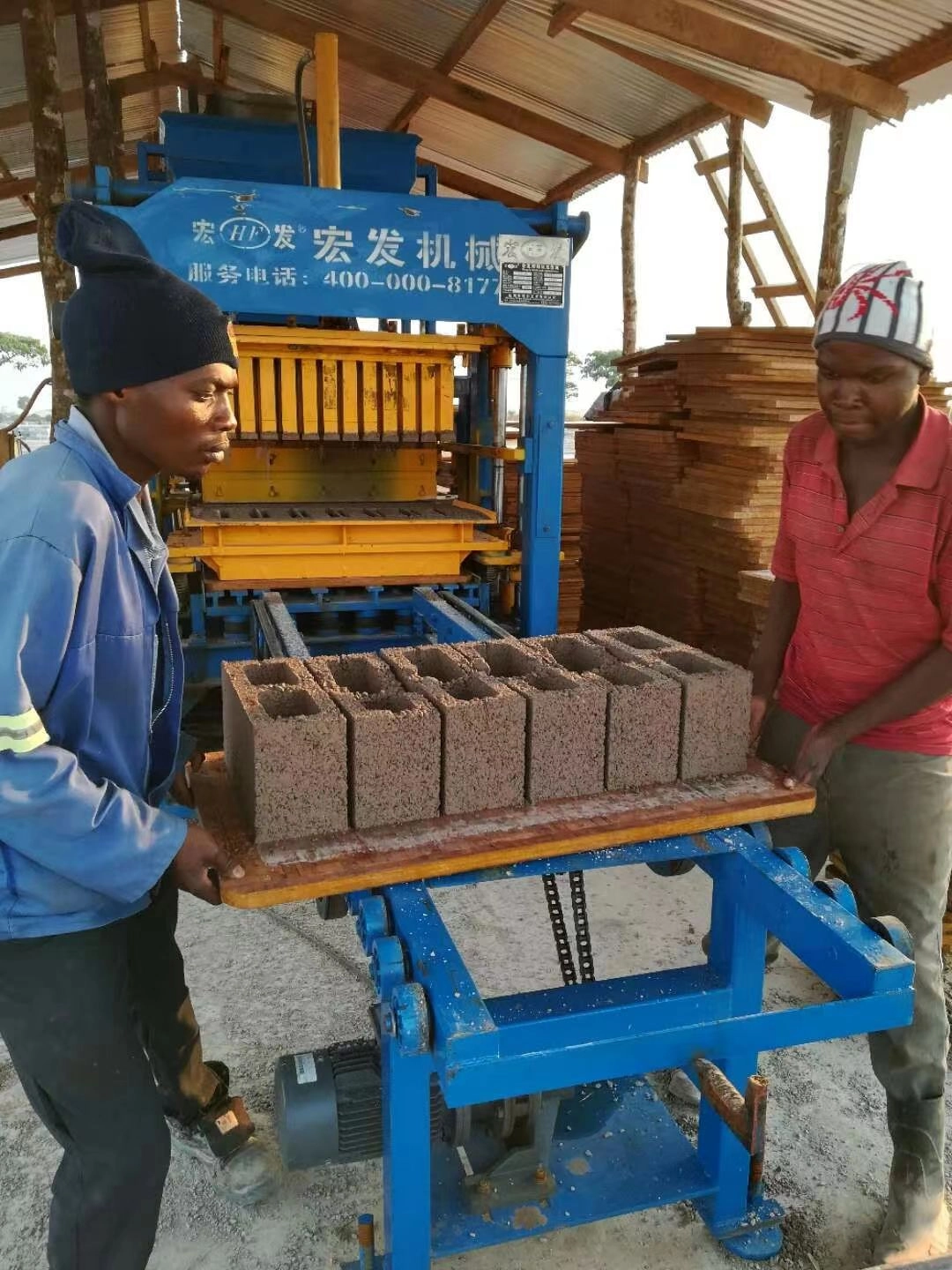
Conventional brick-making machines operate under high-pressure, intense compression and high-frequency vibration conditions, which directly damage the porous structure of perlite—a major challenge in industrial mass production. Our factory has optimized the hydraulic assembly, vibration system, and mold design, with all equipment pre-calibrated with standard forming parameters upon delivery, eliminating the need for customer calibration and enabling immediate mass production upon startup.
(1) Customized technical upgrade configuration for complete systems (a key selling point in equipment marketing)
Equipped with a standard flexible shock-absorbing mold assembly featuring an integrated high-temperature resistant silicone buffer lining to minimize aggregate crushing during compression; the ineffective high-frequency vibration module has been eliminated, replaced by a self-developed low-frequency micro-vibration servo system; the pressurized cylinder is fitted with a high-precision pressure stabilizing valve and electronic pressure locking control to eliminate pressure fluctuations and address the industry-wide challenge of pressure instability; an optional rapid mold-changing mechanism enables simultaneous production of both perlite bricks and cement bricks, offering multi-functional versatility to enhance operational efficiency.
(2) Factory-set standardized molding parameters
• Vibration system:出厂 settings lock the device into a low-frequency micro-vibration mode with a fixed frequency of 18 Hz and a vibration duration of 4 seconds, exclusively discharging mixed material bubbles without damaging the perlite pore structure.
• Pressure Hydraulics: Equipped with an integrated pressure locking mechanism that maintains constant low-pressure operation at 3.2–3.8 MPa for stable molding, with pressure accuracy of ±0.1 MPa to prevent instantaneous high-pressure particle rupture; the uniform pressing rate is locked at 15 mm/min, eliminating impact loads.
• Intelligent pressure maintenance: Electrically controlled automatic pressure maintenance for 8 seconds, locking the pores to maximize preservation of the perlite's thermal insulation structure while balancing strength and insulation performance.
• Loss Prevention Demolding: Optimize the mold inclination angle to 3° and equip with a slow-release demolding cylinder to prevent edge tearing and delamination damage of the blank.
3. Supporting equipment for automated palletizing and transfer systems
To address the issues of low strength and susceptibility to deformation in perlite green bodies, our factory employs a lightweight servo-controlled brick-making machine with customized transfer logic to eliminate manual handling losses.
1. Integrated demolding system with fully automatic hollow tray feeding; post-demolding, single-layer automatic stacking – multi-layer stacking of wet blanks is prohibited.
2. Equipped with a shock-absorbing conveyor frame and low-speed variable-frequency conveying system, it eliminates bumps and vibrations while reducing the breakage rate of green bodies.
3. When integrated with the timing control system, the system automatically switches to a staggered palletizing program after 4 hours of initial solidification of the green body, reserving ventilation gaps to prevent moisture absorption and powdering.
4. Intelligent temperature-controlled maintenance unit (to enhance the compressive strength of finished products)
(1) Closed-loop constant-temperature curing kiln
Complemented by our factory's modular intelligent curing kiln, featuring fully automatic constant temperature and humidity control with locked parameters of 22–26°C and over 92% humidity; the high-pressure spray water system has been eliminated in favor of a micron-level atomization humidification system tailored to the water-absorbing properties of perlite, effectively preventing surface sanding and uneven hydration while steadily enhancing the bonding strength of the green body.
(2) Automatic Air-Drying and Maturation System
A segmented automatic humidity reduction program with 28-day phased curing under fully unmanned operation; upon completion of standardized curing, the thermal insulation blocks exhibit stable compressive strength ≥3.5 MPa and load-bearing capacity reaching 7.2 MPa, with a strength dispersion rate below 3%, significantly surpassing conventional bulk curing methods in the industry. The equipment comes equipped with a strength traceability report for streamlined project acceptance.
III. Performance Comparison Between Our Factory's Block Production Equipment and Mainstream Bricks on the Market
Leveraging our factory's proprietary equipment optimization technology, we have addressed the instability and strength variability issues in perlite block production. Compared to traditional building materials, our solution delivers superior overall operational profitability and engineering performance. The key technical specifications that underpin our equipment sales are as follows:
category
dry density
Insulation and heat preservation
fire-protection rating
Self-weight load
Clay red brick
1800kg/m³
Extremely wide range with high thermal conductivity
Class A Fire Resistance
High loads increase infrastructure costs.
Ordinary cement hollow brick
1550kg/m³
Poor quality; lacks thermal insulation properties
Grade A1
The load is too high.
Autoclaved aerated concrete blocks
700kg/m³
fine
Grade A1
light
The equipment in our factory produces perlite blocks.
650-1100kg/m³
Excellent; thermal conductivity ≤ 0.18 W/(m·K)
Class A1: Non-combustible, fire resistance limit of 2.5 hours
Reduce weight by 35%–50% and lower foundation costs
Device-enabled advantages that give finished products unique competitive strengths
• Freeze-resistant and water-resistant: The equipment's lock hole forming process preserves the intact structure of closed pores, with no powdering even after repeated freeze-thaw cycles at-25°C; the product receives better reviews than aerated bricks.
• Acoustic insulation and noise reduction: Precise pressure control preserves micro-pores integrity, achieving a wall sound insulation rating of ≥42 dB to enhance the product's competitiveness in engineering bids.
• Low-carbon efficiency: The overall energy consumption is 60% lower than that of gas-fired autoclave equipment, and the produced building materials meet green certification standards, facilitating customers' eligibility for subsidies.
2. Real feedback from customers after product launch
Currently, construction material manufacturers have reported that after replacing our factory's customized production line with this system and commencing production of perlite insulation blocks, the total project cost has decreased by 12–18% compared to using externally sourced insulation panels, while construction duration has been reduced by 20%. The mass-produced equipment delivers high consistency in quality without issues such as hollow spots or cracking; the project acceptance rate approaches 100%, and payment collection has accelerated significantly.
Export segment: Our factory's complete equipment and packaging process formulations are exported to the Middle East and Southeast Asia. Leveraging advantages of low cost and low energy consumption, overseas orders have grown rapidly, with substantial premium potential for equipment exports, thereby supporting the transformation and upgrading of domestic and international building materials manufacturers.
3. Industry-wide production challenges + Original factory solutions for our equipment
• Industry Pain Point 1: Significant perlite dust loss and raw material waste → The original manufacturer's integrated dust removal and modification module with pre-installed closed-loop filtration reduces raw material loss to below 5%, significantly lowering production costs.
• Industry Pain Point 2: Conventional brick-making machines suffer from high-pressure material crushing and product waste; in contrast, this system features pre-set hydraulic and vibration parameters that eliminate the need for customer modifications—simply unpack and operate to resolve crushing issues.
• Industry Pain Point 3: Slow initial solidification of green bodies and limited production capacity → The system allows optional configuration with a rapid-setting additive control system to simultaneously optimize mixing ratios, shorten curing time, and enhance daily production capacity.
• Value-added after-sales services: The manufacturer provides a free full set of production formulas, equipment control programs, and engineering test reports; offers on-site installation and debugging, along with technician training at the facility; and provides lifelong equipment upgrade and modification services.
V. Summary of Equipment Promotion and Commissioning
Compared to homogeneous conventional brick-making equipment on the market, our factory has leveraged specialized research and development focused on perlite materials to address shortcomings across the entire production chain—including mixing, molding, and curing processes. By combining customized hardware with standardized process formulations, we overcome major challenges in industrial mass production. The equipment requires low modification costs and minimal startup thresholds; each unit is capable of producing both insulation and load-bearing bricks. Our products align with green building trends and offer substantial profit potential. For traditional brick plants undergoing transformation or new construction material projects, our dedicated integrated brick-making system represents the optimal solution that balances production costs, product quality, and long-term profitability.