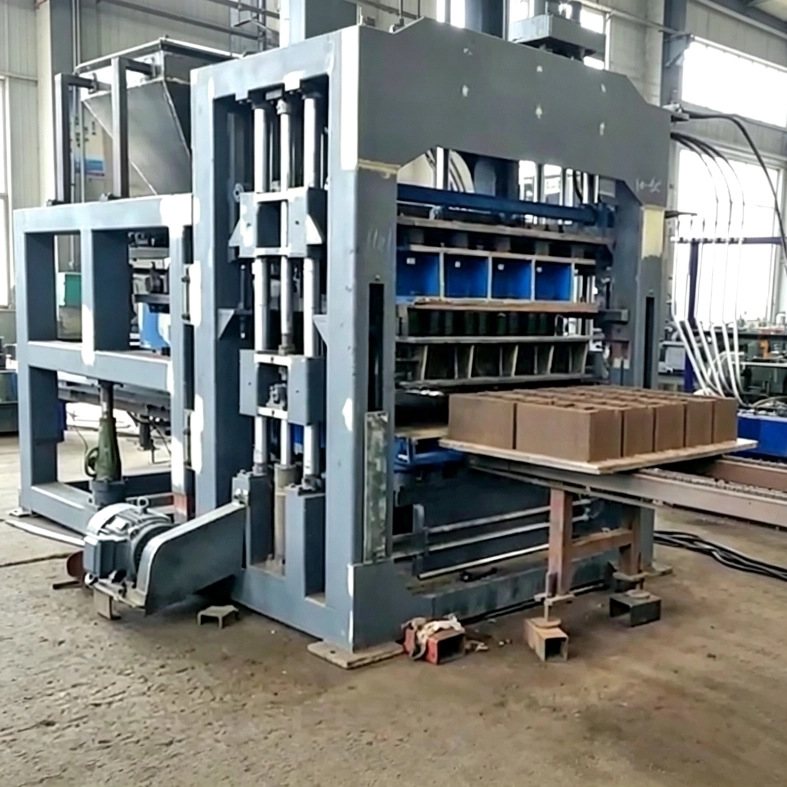
Performance and Features of the QT6-15D Block Forming Machine
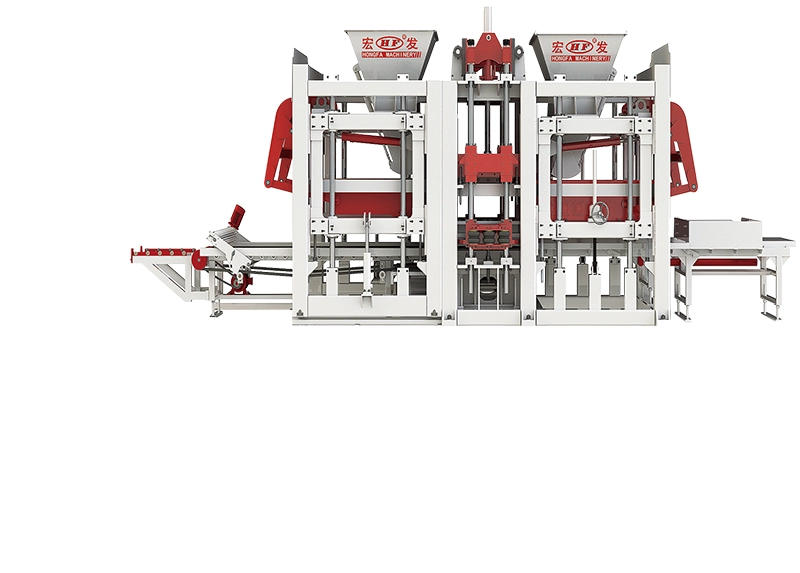
The main unit utilizes specialized welding technology and is constructed from high-strength steel, ensuring exceptional robustness and vibration resistance; the integrated welded forming frame incorporates additional reinforcing ribs at the corners of the machine frame, guaranteeing overall structural integrity and stability.
Control System:
(1) The fully automatic PLC control system features simple operation and easy management. The entire production process is computer-controlled; as long as the initial equipment data settings are correct, the system will operate accurately in strict accordance with the predefined program;
(2) The control system adopts a comprehensive human-centric design, making it simple to learn and intuitive to understand. Ordinary operators can quickly become proficient in operating the system independently after receiving necessary training;
(3) The control system incorporates an interlocking function for movements, preventing erroneous operations that could cause damage to the machinery if certain movement requirements are not met during machine operation;
(4) The system is equipped with a vibration motor frequency converter to protect the vibration motor, prevent overheating caused by frequent starting, and thereby extend the service life of the vibration motor.
(5) It features a high degree of automation, requiring no manual intervention as it can operate in an automatic, periodic cycle. Its performance is stable and reliable, embodying a true "unattended operation" concept.
Vibration system:
(1) The system employs a combined static–dynamic vibration platform: during molding, the static platform provides support while the dynamic platform generates vibration, ensuring that the vibration platform operates normally under pressure application and thereby enhancing the density of the brick;
(2) The system utilizes German frequency conversion technology with variable-frequency control for the main unit—employing low-frequency feeding and high-frequency vibration, combined with plate-based compaction and vibration to allow the concrete to achieve full fluidization and gas expulsion within two to three seconds, resulting in high density and high strength. This approach improves brick density, reduces power consumption, and accelerates the molding process.
(3) The integrated excitation platform combined with a fully synchronized four-motor vibration configuration enables the machine to achieve optimal compaction results;
The batching system: the annular belt employs a quantitative feeding mechanism, ensuring consistent feeding amounts each time and maintaining stable bulk density and material consumption of the finished product; the batching machine utilizes a five-axis forced shuttle operation mode to reduce mold load, employs a forced batching method to ensure uniform and dense distribution of materials, and guarantees the bulk density of the bricks. 5. Four-axis positioning and guiding system: Utilizes a four-bar guiding mechanism combined with extended wear-resistant guide sleeves to ensure precise movement of the mold and pressing head; the upper synchronous frame ensures synchronized and stable mold lifting and ejection
. Hydraulic System:
(1) The main fuel supply and electronic control components utilize imported parts from Germany, Taiwan, and other regions; they feature simple operation and stable performance.
(2) The combination of a single/double proportional valve with an electro-hydraulic valve assembly enables precise control of the hydraulic system's pressure and precise distribution of hydraulic oil flow, thereby enabling precise control over every movement of the machine;
(3) The heavy-duty hydraulic station motor, paired with a high-flow double-impeller pump, provides ample power to the hydraulic system. The dual hydraulic pump system increases the molding speed by 10% and increases production output by 10%.
The molds and other components are fabricated using high-strength, wear-resistant high-manganese alloy steel; these components undergo blanking via plasma or laser cutting processes, followed by high-temperature carburizing heat treatment, high-speed shot blasting or sandblasting for oil and rust removal, and finishing of both upper and lower mold bodies using a milling machine; the resulting precision and service life meet first-class national standards.