1. Dense & High‑strength Solid Bricks, Less Waste & Smooth Project Acceptance
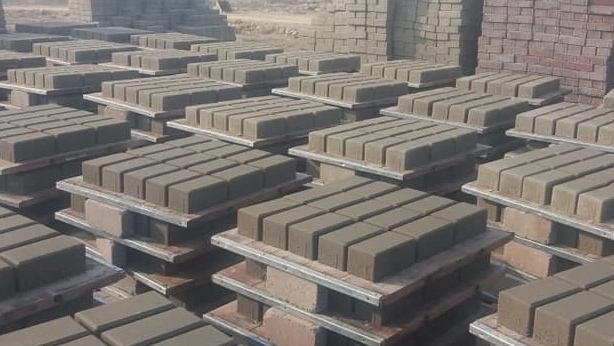
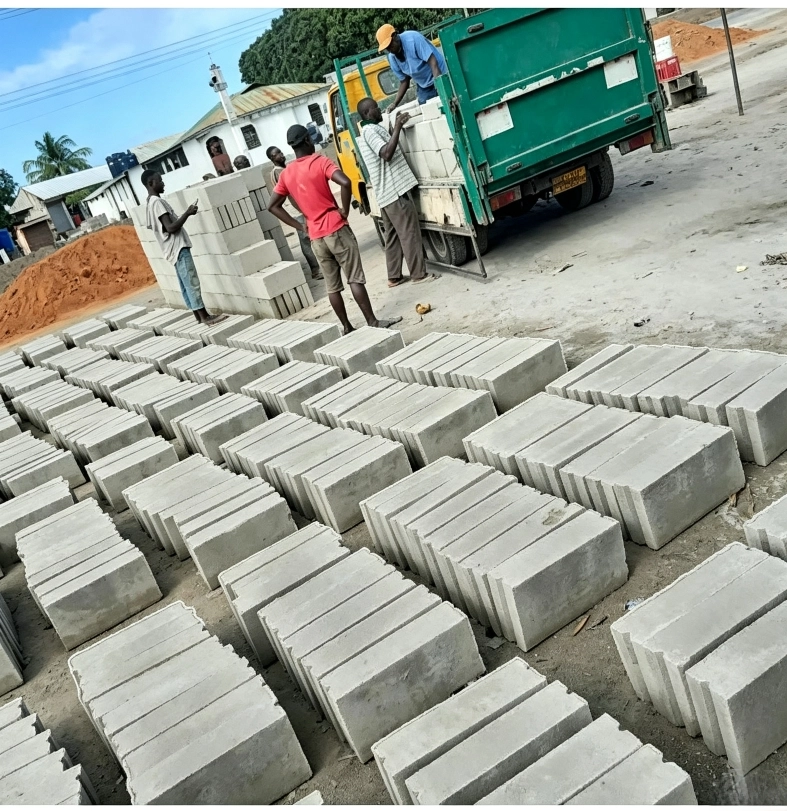
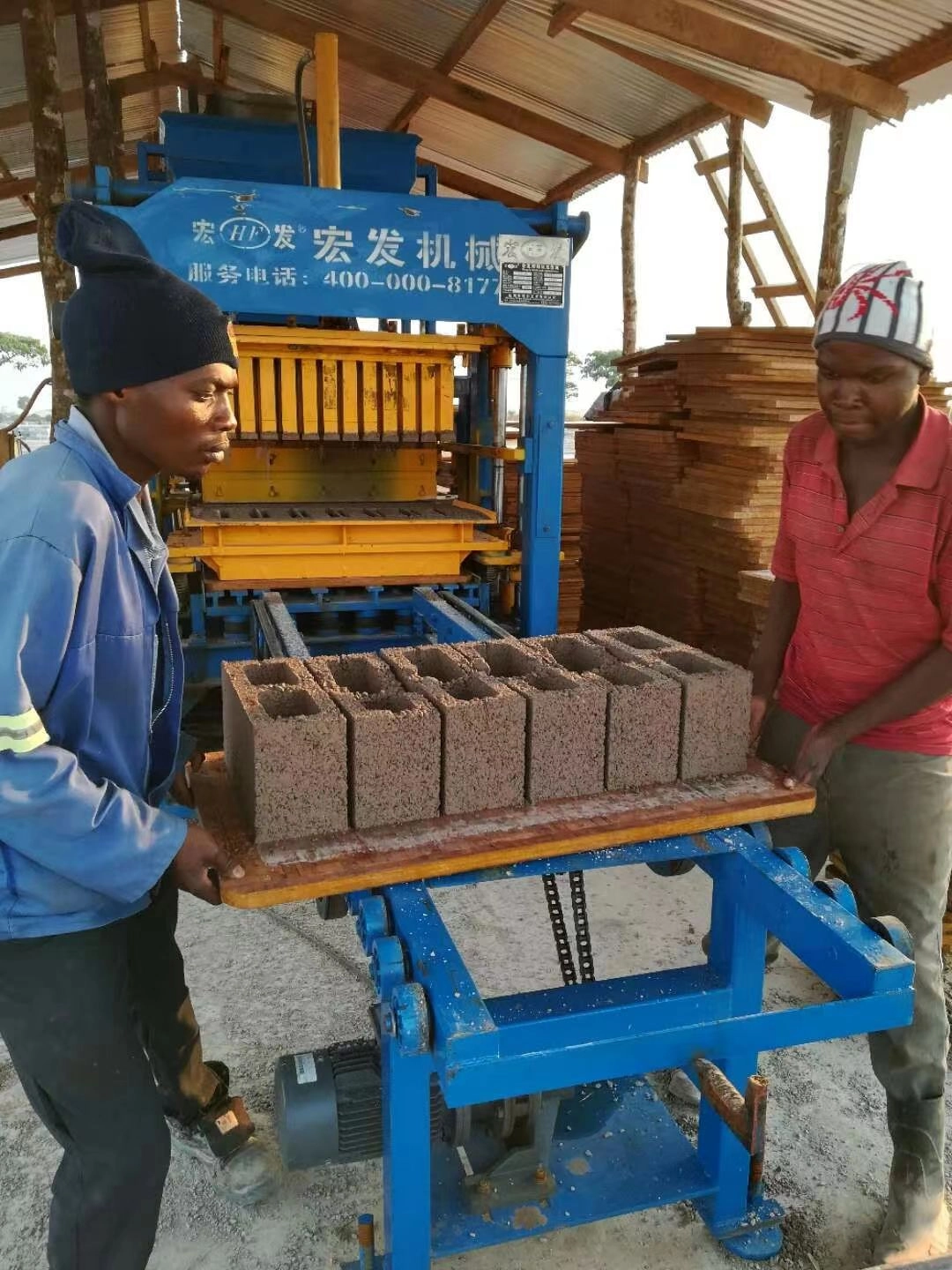
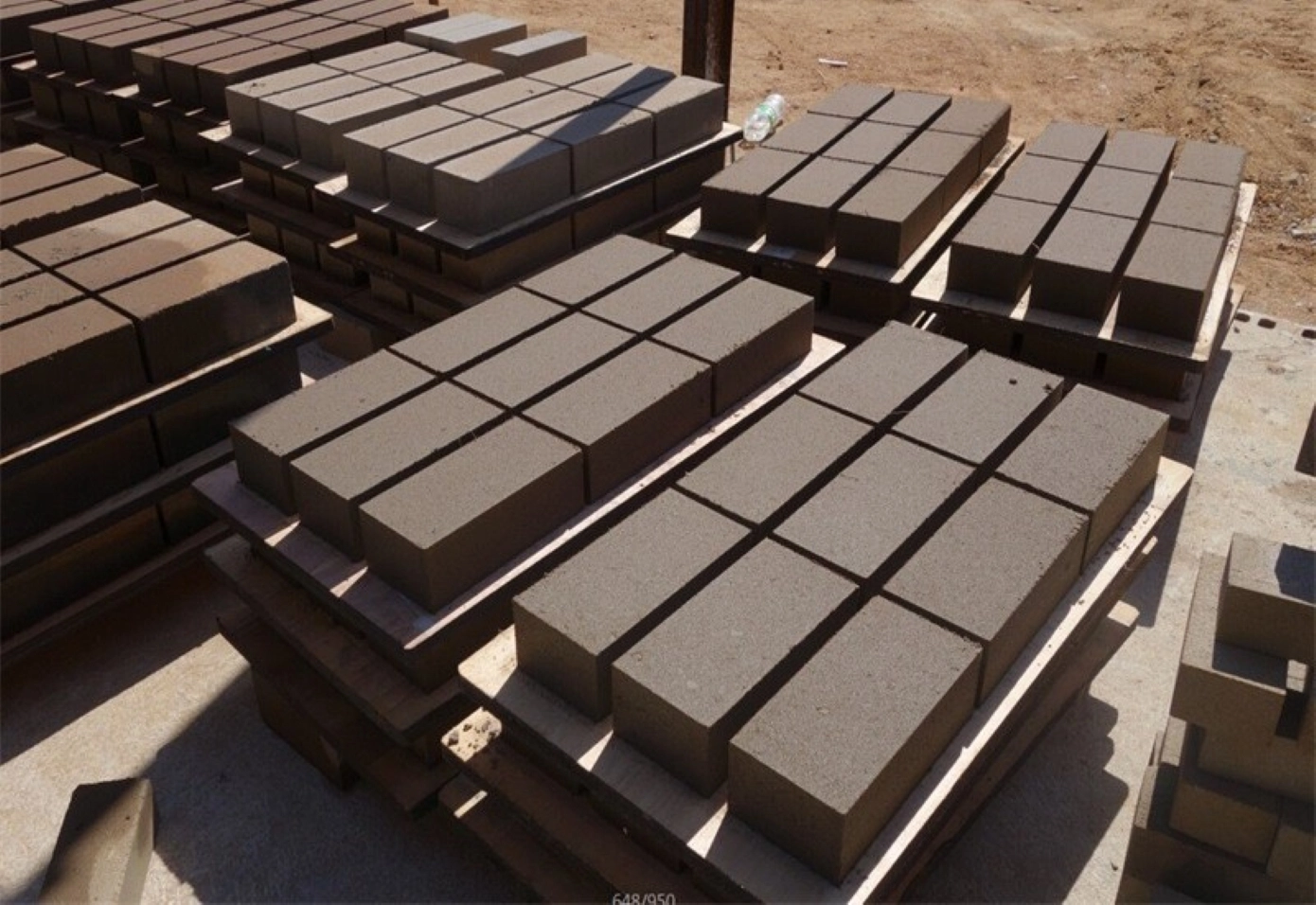
Solid bricks feature thick body, prone to inner looseness, surface cracks and chipped corners which will result in rejected goods. QT4‑25 adopts table‑mold resonance plus upper‑lower pressing vibration. Adjustable exciting force compacts thick solid‑brick green body thoroughly, achieving uniform density from surface to core without loose inner structure. Finished solid bricks own stable compressive strength, precise dimension and intact edges, raising product qualification rate. It reduces raw‑material loss caused by cracking, looseness and corner breakage. Produced solid bricks meet acceptance standards for housing and rural‑infrastructure projects. You can win steady construction supply contracts and avoid penalty or return risks from sub‑standard brick quality and protect your business reputation.
2. Convenient Mold Change for Multiple Solid‑brick Sizes, Improve Machine Utilization
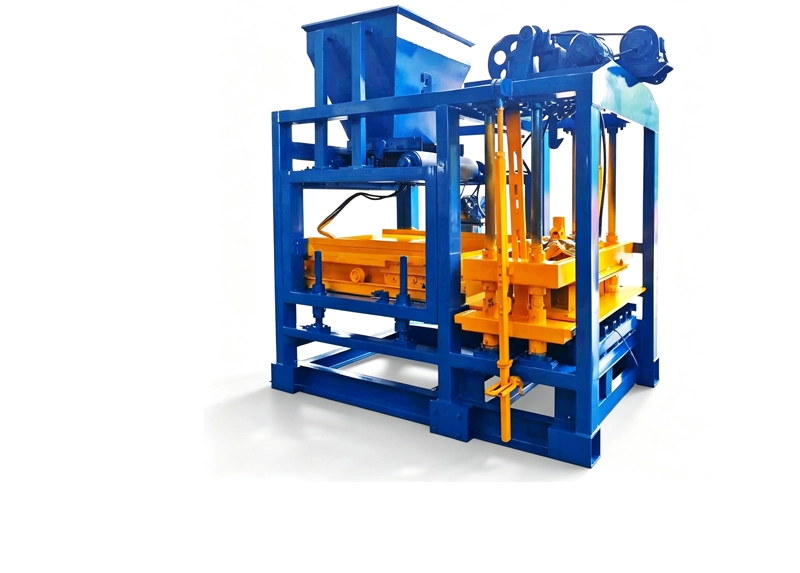
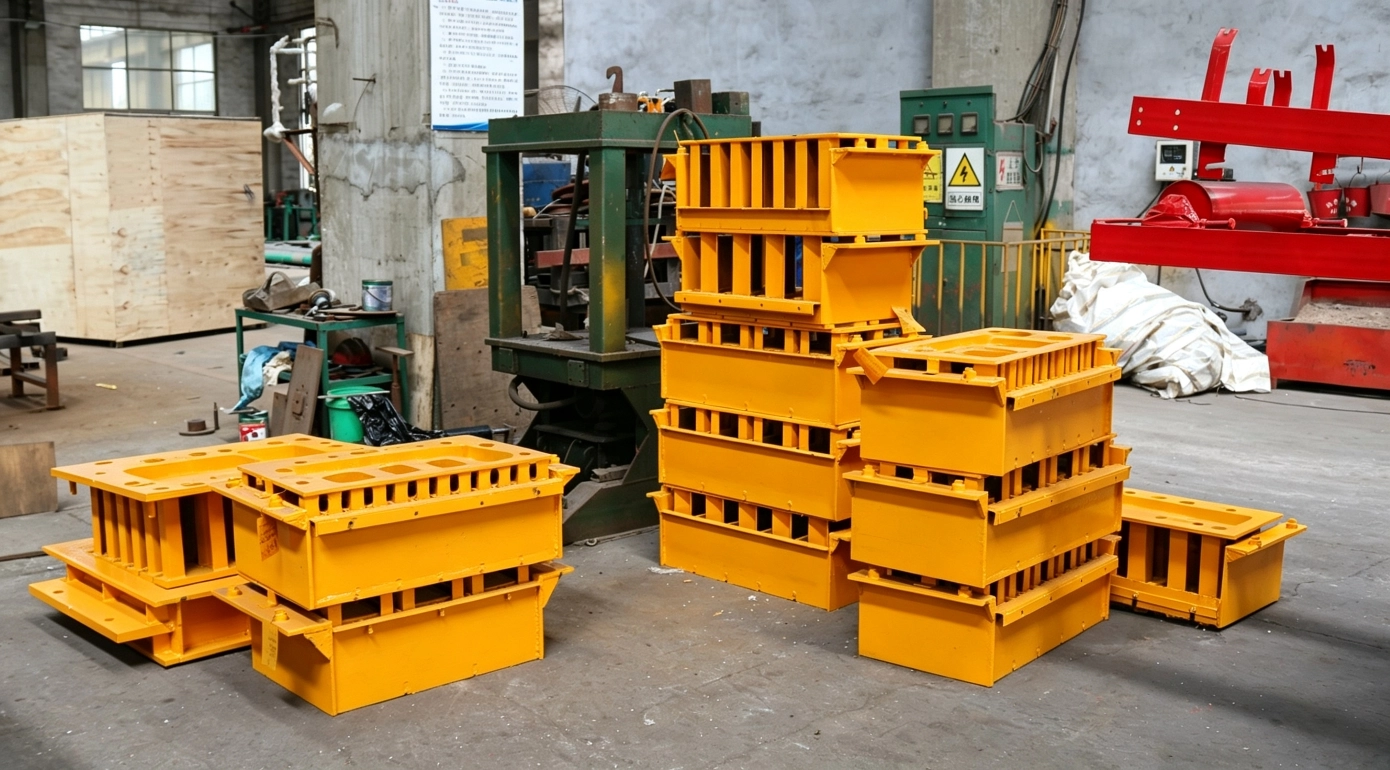
Modular mould design allows ordinary operators to replace moulds without disassembling major main‑machine assemblies with short change‑over time. You can rapidly produce solid bricks of various specifications and dimensions. There is no need to purchase multiple forming machines. When receiving solid‑brick orders of different sizes from various construction projects, you can produce by swapping corresponding moulds. Maximize equipment running hours, amortize equipment investment. Expand your order sources for different construction projects, reduce idle‑time loss and diversify factory business.
3. Utilize Local Low‑cost Solid Waste to Lower Solid‑brick Material Cost
High‑grade sand is not compulsory for solid‑brick manufacturing. Qualified solid bricks can be made of fly ash, quarry dust, slag, recycled crushed construction waste mixed with limited cement. You can source cheap local industrial and quarry by‑products to cut long‑distance transportation cost for aggregates. Stable production can be maintained even when premium sand is scarce or price surges. Lower material cost gives you bigger pricing room for both local and overseas sales, enabling you to compete for projects or retain decent profit margin.
4. High‑volume Automatic Production for Bulk Orders & Labor Saving
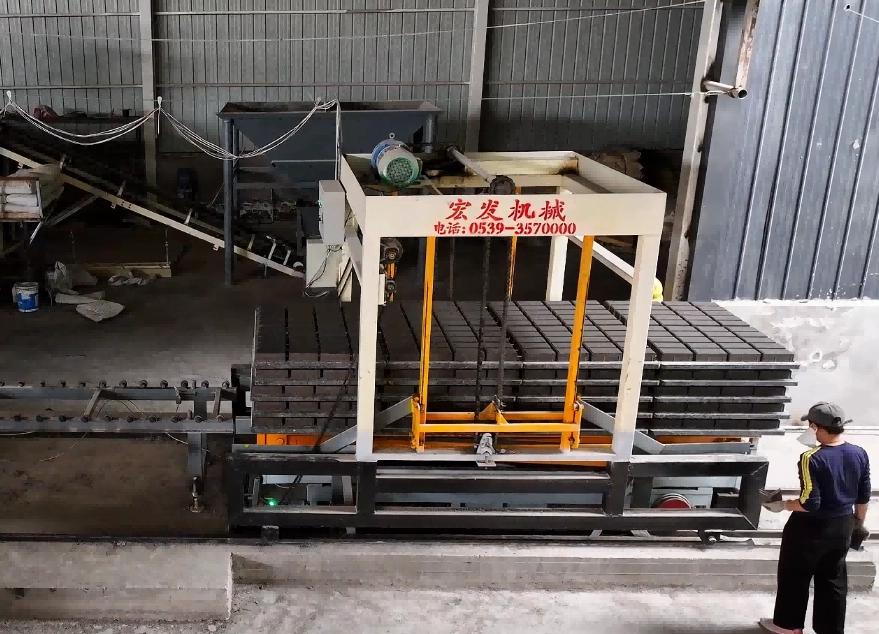
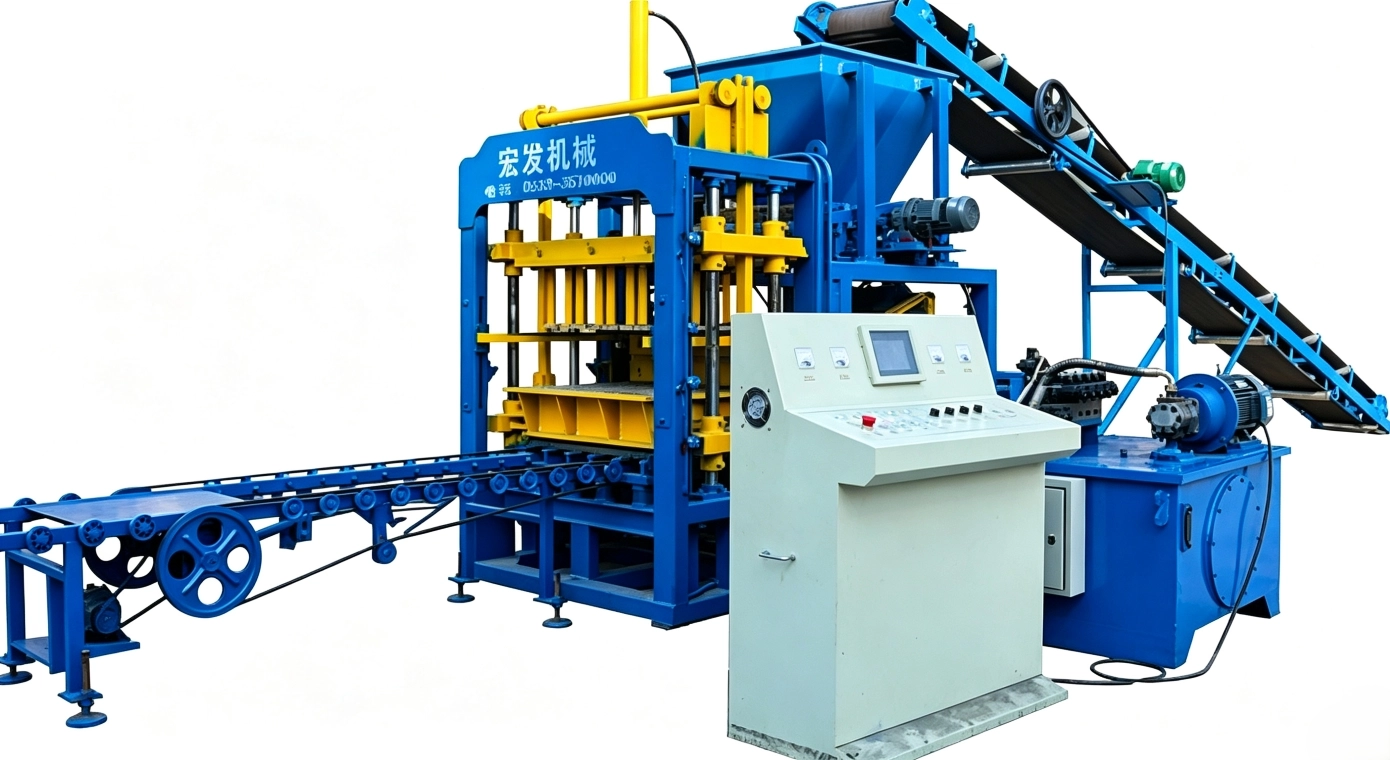
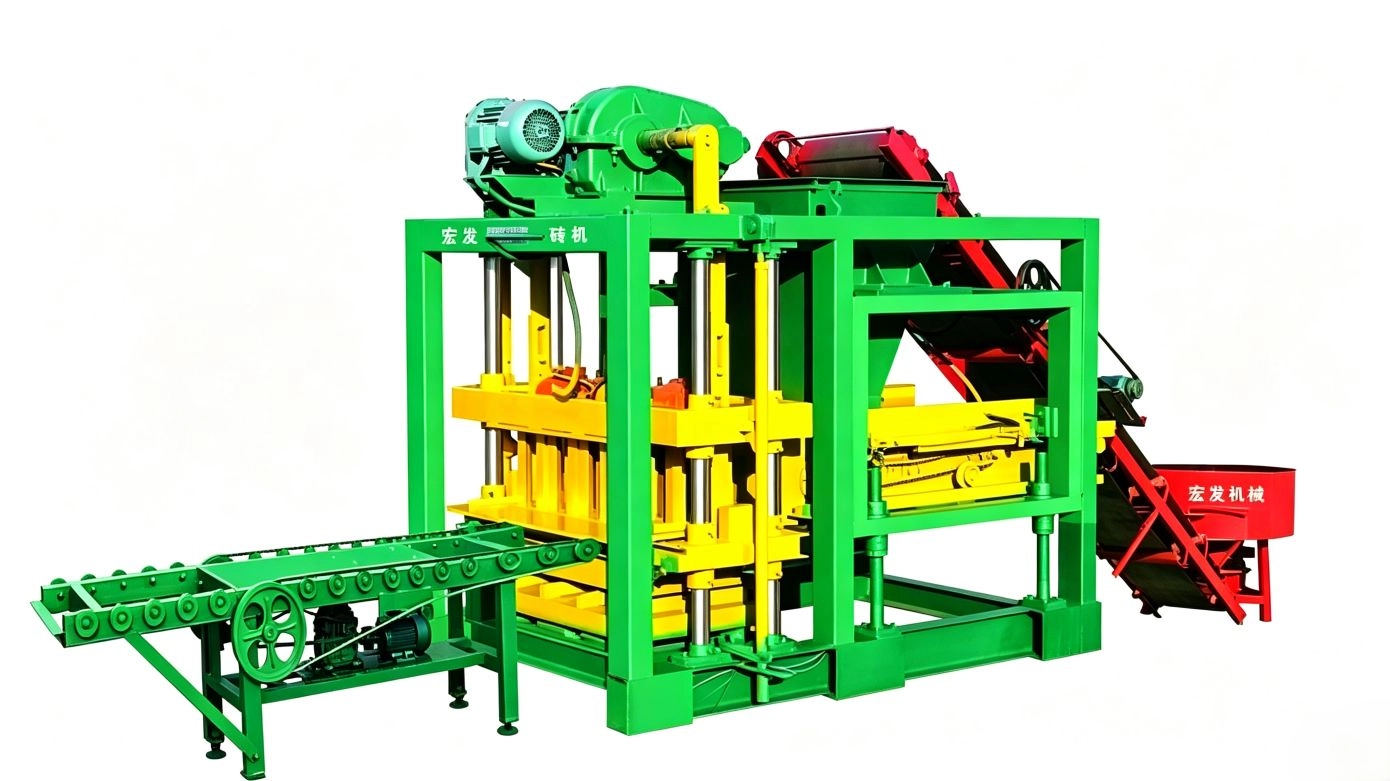
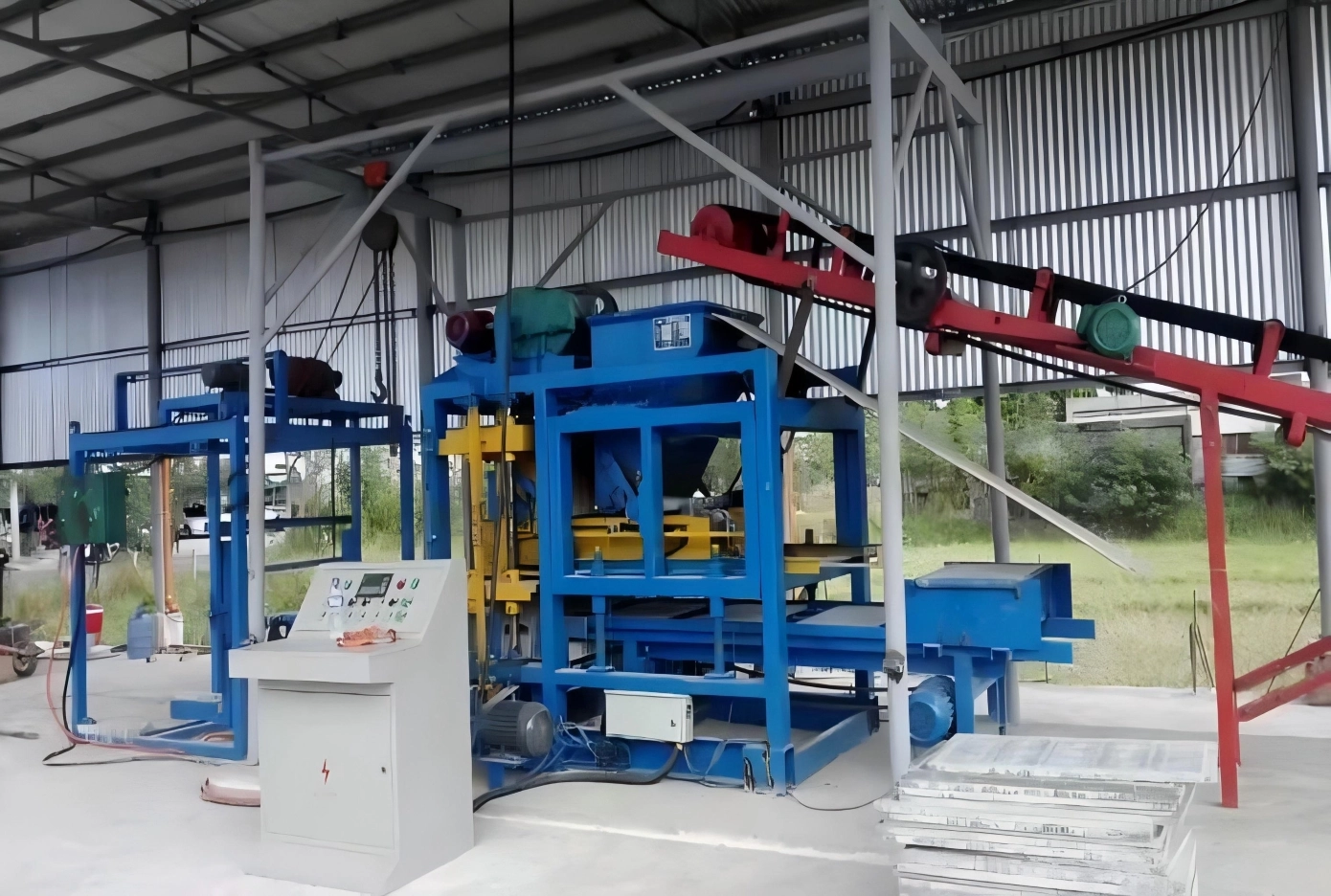
Heavy‑duty high‑strength section‑steel frame with reinforced stress points resists cyclic heavy load from repeated solid‑brick compression and prevents frame deformation during long continuous‑run production. Full‑auto workflow covers pallet feeding, material filling, pressing and brick ejection. It can stably produce 25000‑30000 pcs standard solid bricks per 8‑hour shift. Automatic workflow cuts labor demand, only 3‑4 workers for whole production line. When facing large‑volume solid‑brick orders from housing and overseas infrastructure projects, continuous stable operation guarantees on‑time delivery, avoids breach‑of‑contract penalty and helps build long‑term cooperation with contractors and building‑material traders.
5. PLC Intelligent Parameter Storage, Stable Operation & Less Order Interruption
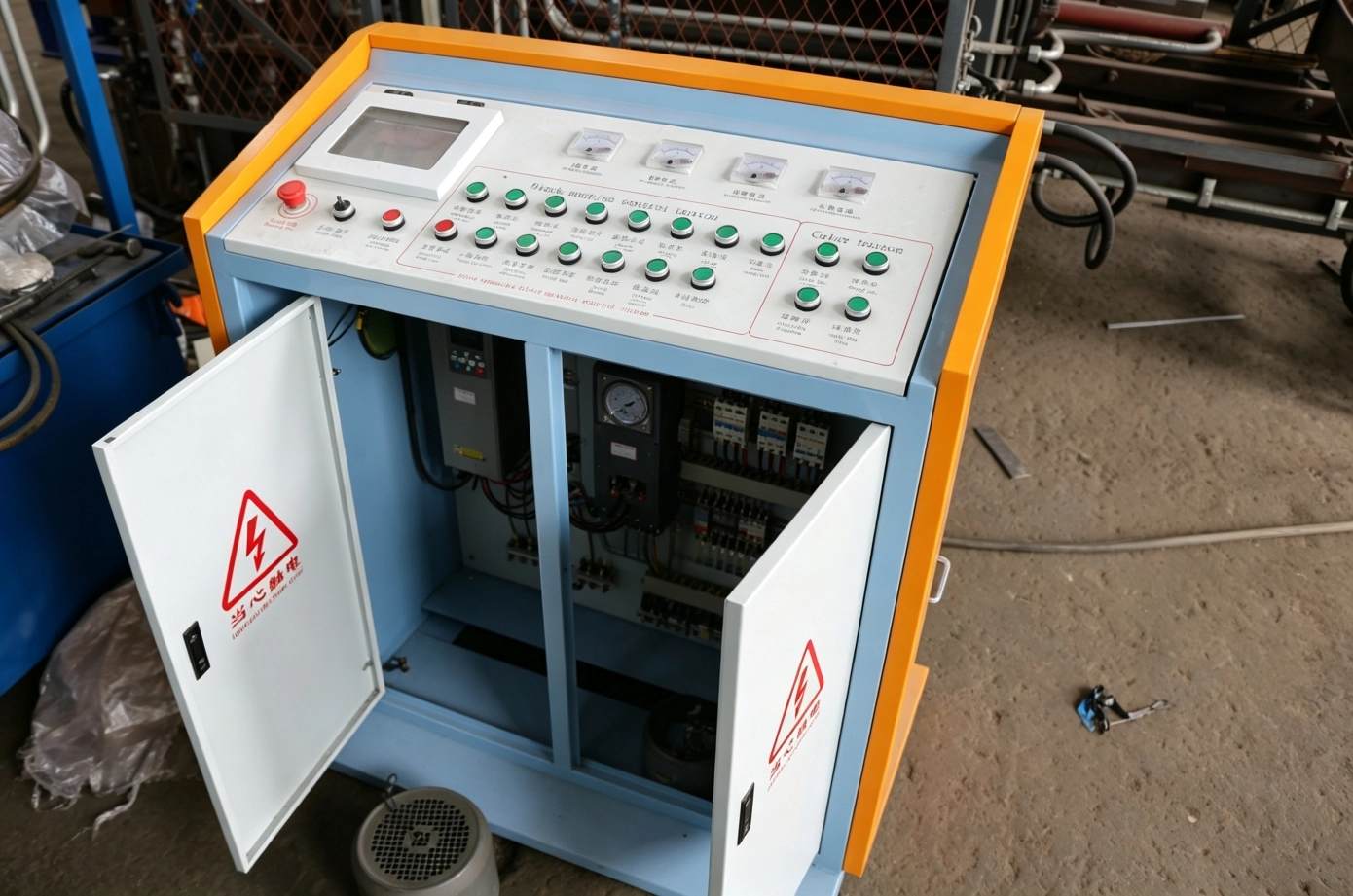
Industrial‑grade PLC touch‑screen control system stores production parameters such as feeding time, exciting force and pressing pressure. You can directly recall preset settings for different raw‑material formulas or solid‑brick sizes without repeated adjustment. Reliable core hydraulic and electric components, standard off‑the‑shelf wearing parts for easy sourcing and replacement. Optimized operation logic for frequent solid‑brick high‑pressure cycles minimizes unplanned shutdown risk. Protect you against business risk of suspended production after supply contracts are signed. Local ordinary workers can finish wearing‑part replacement, no heavy reliance on specialized after‑sales technicians. It reduces daily maintenance cost, extends effective production hours and improves return on investment.
6. Moderate Entry Threshold, Fast Commissioning for Medium‑small Investors
No complicated deep civil‑engineering foundation required. The machine works on ordinary hardened concrete floor and does not require extra‑large workshop space, well‑suited for medium‑small brick plants and new‑start‑up investors. Flexible configuration options: cost‑effective semi‑auto version for limited budget; full‑auto batching & forming line for higher capacity and less manpower. Standard installation and operator training enable quick startup of solid‑brick production. Shorten the cycle from equipment purchase to profitable output and lower upfront infrastructure investment pressure.
1. Dense & High‑strength Solid Bricks, Less Waste & Smooth Project Acceptance
Solid bricks feature thick body, prone to inner looseness, surface cracks and chipped corners which will result in rejected goods. QT4‑25 adopts table‑mold resonance plus upper‑lower pressing vibration. Adjustable exciting force compacts thick solid‑brick green body thoroughly, achieving uniform density from surface to core without loose inner structure. Finished solid bricks own stable compressive strength, precise dimension and intact edges, raising product qualification rate. It reduces raw‑material loss caused by cracking, looseness and corner breakage. Produced solid bricks meet acceptance standards for housing and rural‑infrastructure projects. You can win steady construction supply contracts and avoid penalty or return risks from sub‑standard brick quality and protect your business reputation.
2. Convenient Mold Change for Multiple Solid‑brick Sizes, Improve Machine Utilization
Modular mould design allows ordinary operators to replace moulds without disassembling major main‑machine assemblies with short change‑over time. You can rapidly produce solid bricks of various specifications and dimensions. There is no need to purchase multiple forming machines. When receiving solid‑brick orders of different sizes from various construction projects, you can produce by swapping corresponding moulds. Maximize equipment running hours, amortize equipment investment. Expand your order sources for different construction projects, reduce idle‑time loss and diversify factory business.
3. Utilize Local Low‑cost Solid Waste to Lower Solid‑brick Material Cost
High‑grade sand is not compulsory for solid‑brick manufacturing. Qualified solid bricks can be made of fly ash, quarry dust, slag, recycled crushed construction waste mixed with limited cement. You can source cheap local industrial and quarry by‑products to cut long‑distance transportation cost for aggregates. Stable production can be maintained even when premium sand is scarce or price surges. Lower material cost gives you bigger pricing room for both local and overseas sales, enabling you to compete for projects or retain decent profit margin.
4. High‑volume Automatic Production for Bulk Orders & Labor Saving
Heavy‑duty high‑strength section‑steel frame with reinforced stress points resists cyclic heavy load from repeated solid‑brick compression and prevents frame deformation during long continuous‑run production. Full‑auto workflow covers pallet feeding, material filling, pressing and brick ejection. It can stably produce 25000‑30000 pcs standard solid bricks per 8‑hour shift. Automatic workflow cuts labor demand, only 3‑4 workers for whole production line. When facing large‑volume solid‑brick orders from housing and overseas infrastructure projects, continuous stable operation guarantees on‑time delivery, avoids breach‑of‑contract penalty and helps build long‑term cooperation with contractors and building‑material traders.
5. PLC Intelligent Parameter Storage, Stable Operation & Less Order Interruption
Industrial‑grade PLC touch‑screen control system stores production parameters such as feeding time, exciting force and pressing pressure. You can directly recall preset settings for different raw‑material formulas or solid‑brick sizes without repeated adjustment. Reliable core hydraulic and electric components, standard off‑the‑shelf wearing parts for easy sourcing and replacement. Optimized operation logic for frequent solid‑brick high‑pressure cycles minimizes unplanned shutdown risk. Protect you against business risk of suspended production after supply contracts are signed. Local ordinary workers can finish wearing‑part replacement, no heavy reliance on specialized after‑sales technicians. It reduces daily maintenance cost, extends effective production hours and improves return on investment.
6. Moderate Entry Threshold, Fast Commissioning for Medium‑small Investors
No complicated deep civil‑engineering foundation required. The machine works on ordinary hardened concrete floor and does not require extra‑large workshop space, well‑suited for medium‑small brick plants and new‑start‑up investors. Flexible configuration options: cost‑effective semi‑auto version for limited budget; full‑auto batching & forming line for higher capacity and less manpower. Standard installation and operator training enable quick startup of solid‑brick production. Shorten the cycle from equipment purchase to profitable output and lower upfront infrastructure investment pressure.
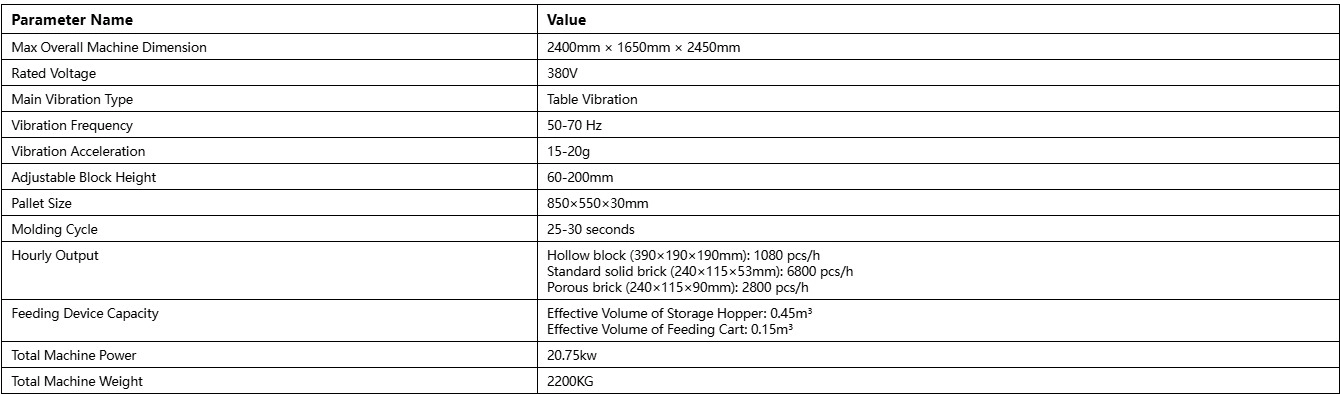

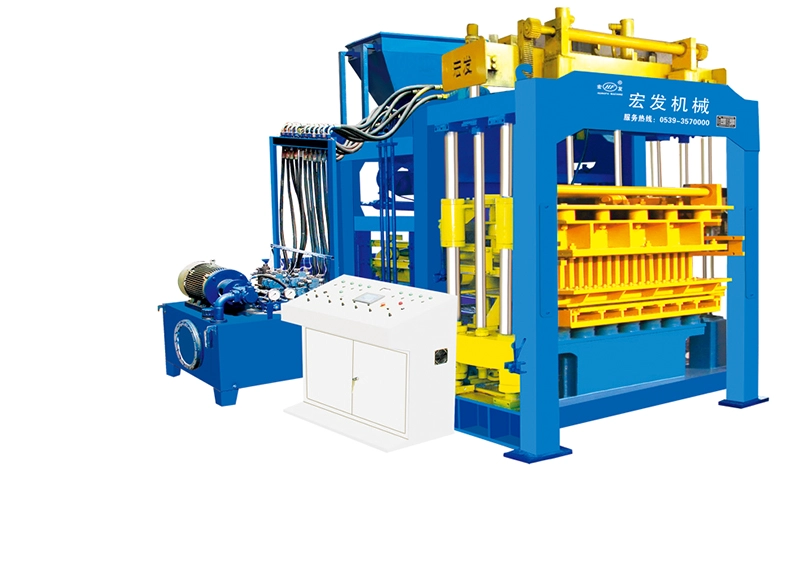 QT12‑15F Automatic Hydraulic Hollow Block Making Machine | Heavy‑duty Table‑Vibration Hollow Block Forming Host
Hongfa QT12‑15F fully‑automatic hollow block making host is built for medium‑large overseas block plants for mass‑produc...

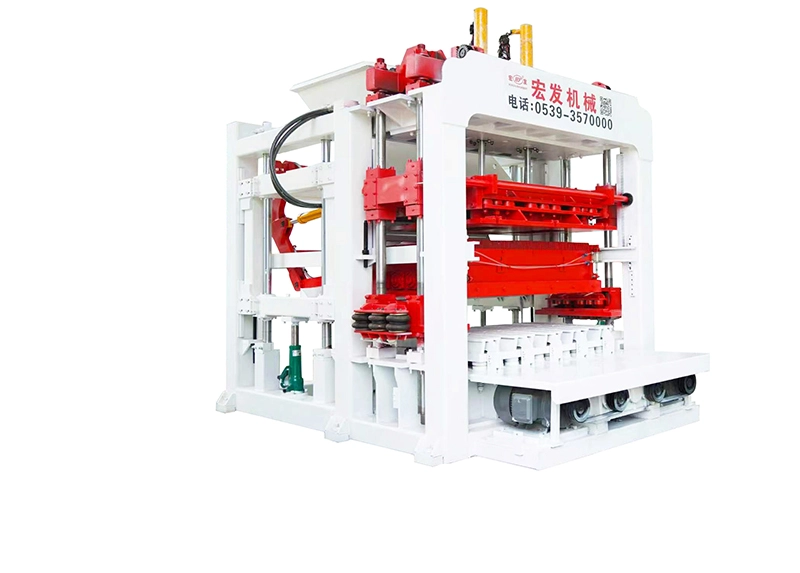 QT12‑15 Automatic Hydraulic Solid Brick Making Machine | Large‑capacity High‑strength Concrete Solid Brick Forming Host
Hongfa QT12‑15 fully‑automatic solid brick making host is specially designed for mass production of high‑strength concre...
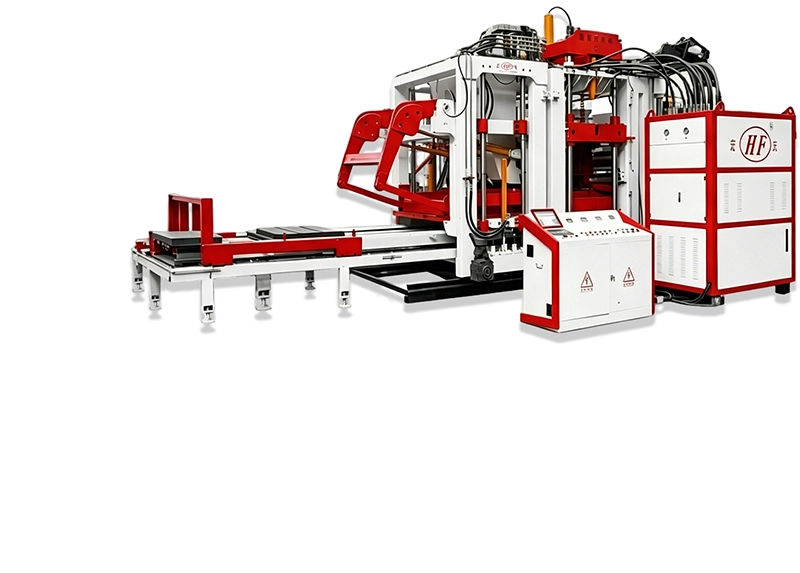 QT10‑15C Automatic Hydraulic Solid Brick Making Machine | High‑capacity Standard Concrete Solid Brick Forming Host
Hongfa QT10‑15C fully‑automatic solid brick making host is specially built for mass‑production of high‑strength standard...
Shandong Hongfa Scientific Industrial&Trading Co.,Ltd ©️2026Copyright © LU ICP B 16041216-4