1. Optimized Step‑Vibration‑Compression Technology for Dense Solid Bricks with Smooth Surface
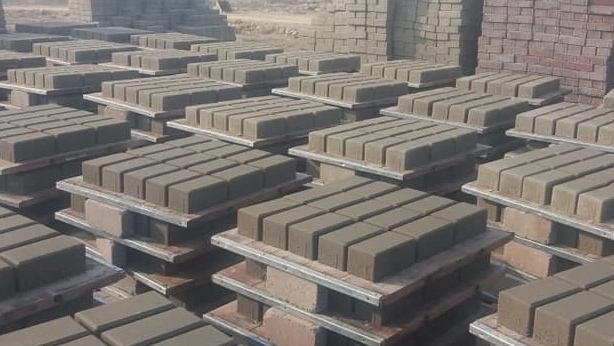
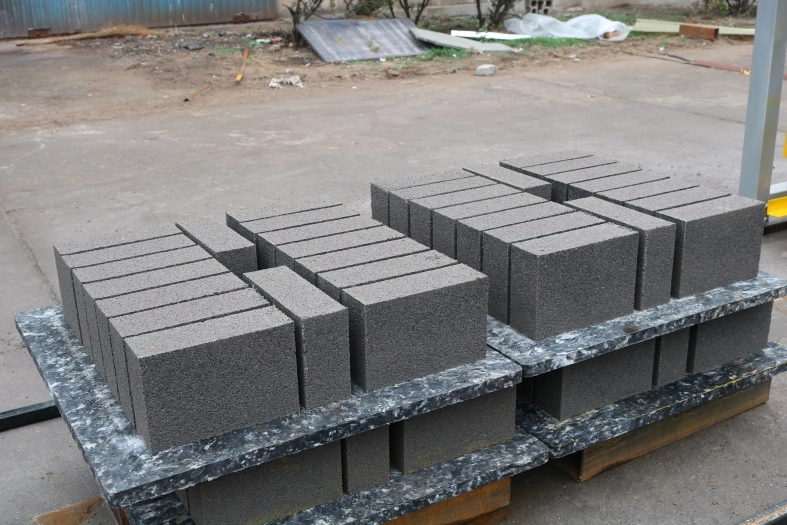
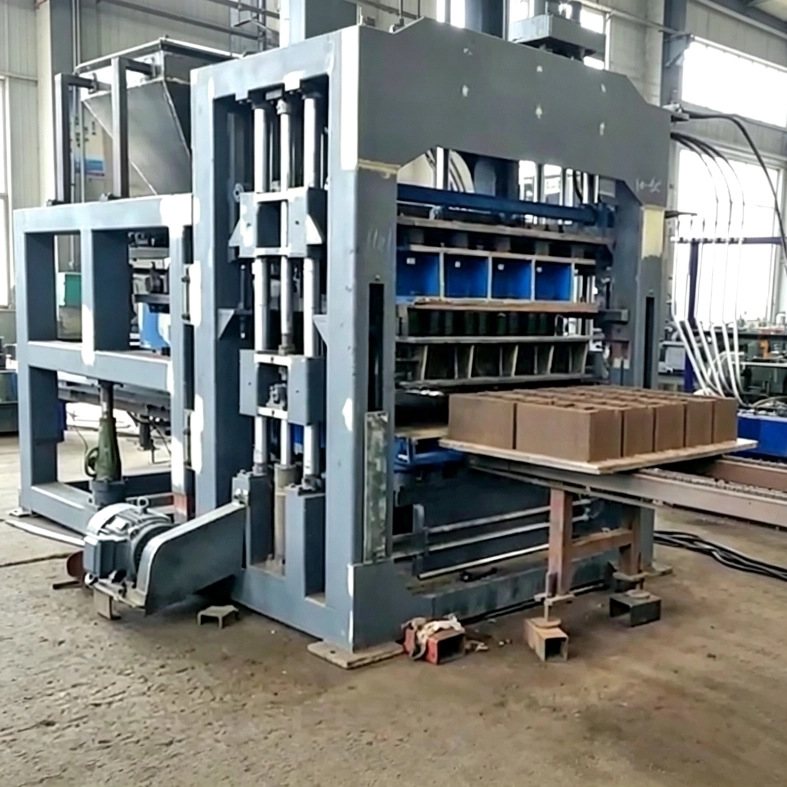
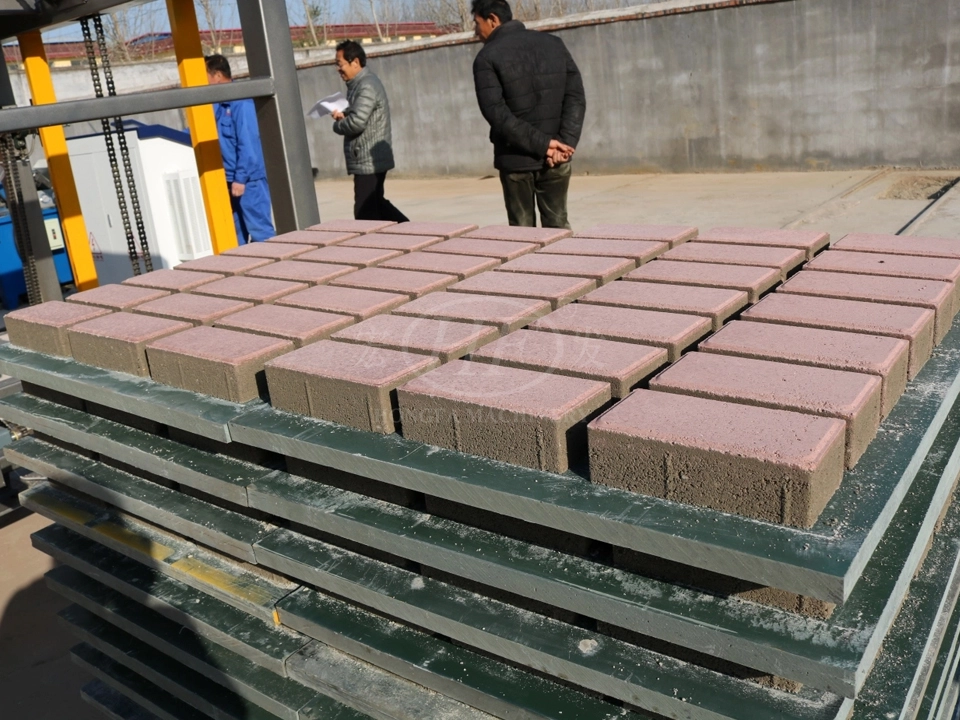
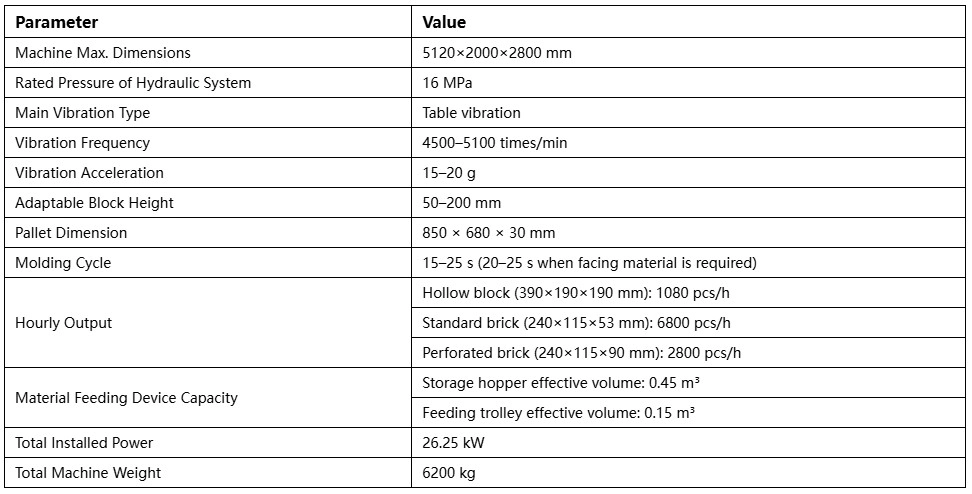
QT6‑15B adopts table‑mounted pre‑vibration plus main‑vibration compression logic specially optimized for solid bricks. Without inner cavities, solid brick mixtures trap air easily. High‑frequency vibration of 4500‑5100 times per minute together with 15‑20 g vibration acceleration fully expels air bubbles inside mold cavities. Aggregate and cement paste distribute evenly among all 30 solid bricks per pallet, eliminating typical solid‑brick defects such as partial looseness, surface sanding and internal lamination. With stable hydraulic pressing, finished solid bricks reach compressive strength over 15 MPa with smooth surfaces and intact edges, requiring no secondary trimming. Three‑layer rubber spring vibration‑isolation structure reduces resonance, guarantees consistent compaction across the whole pallet and lowers reject rate of solid bricks.
2. Large Output per Pallet for High‑volume Continuous Solid‑brick Mass Production
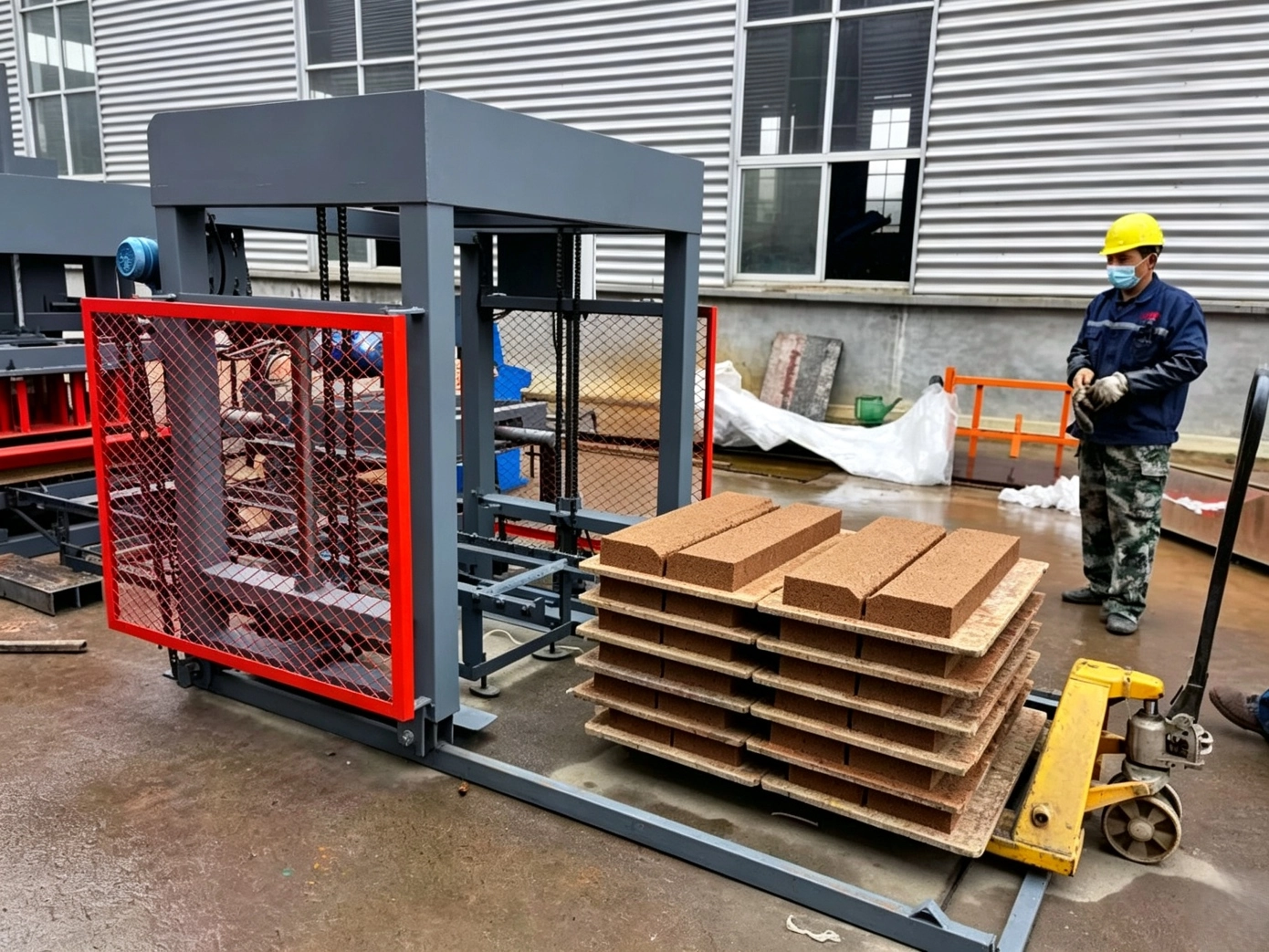
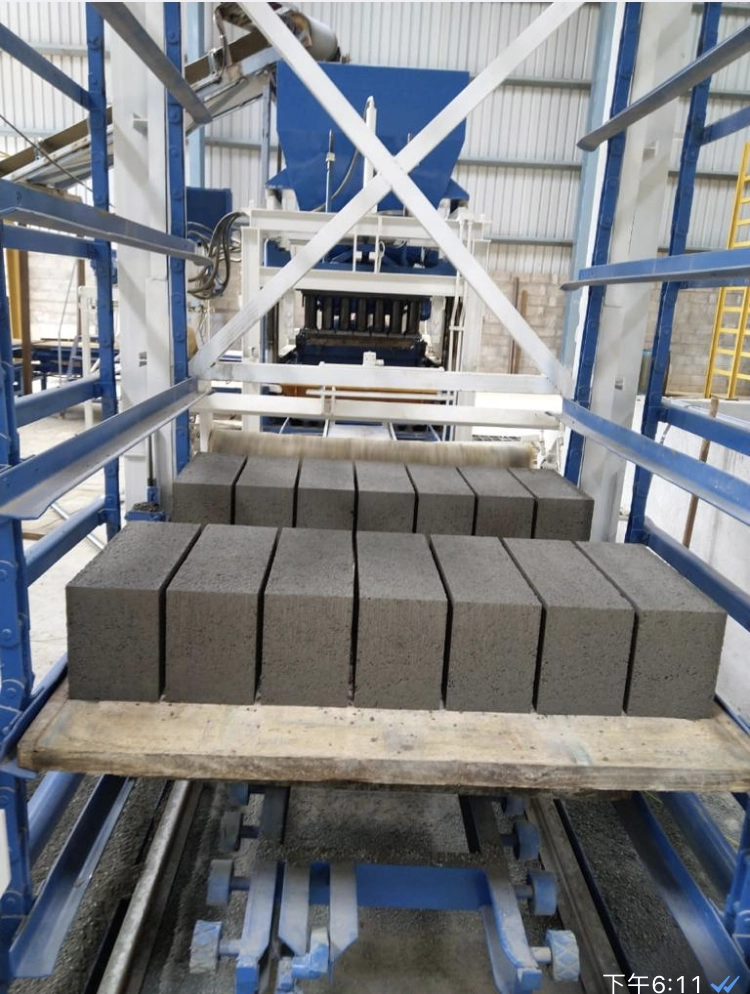
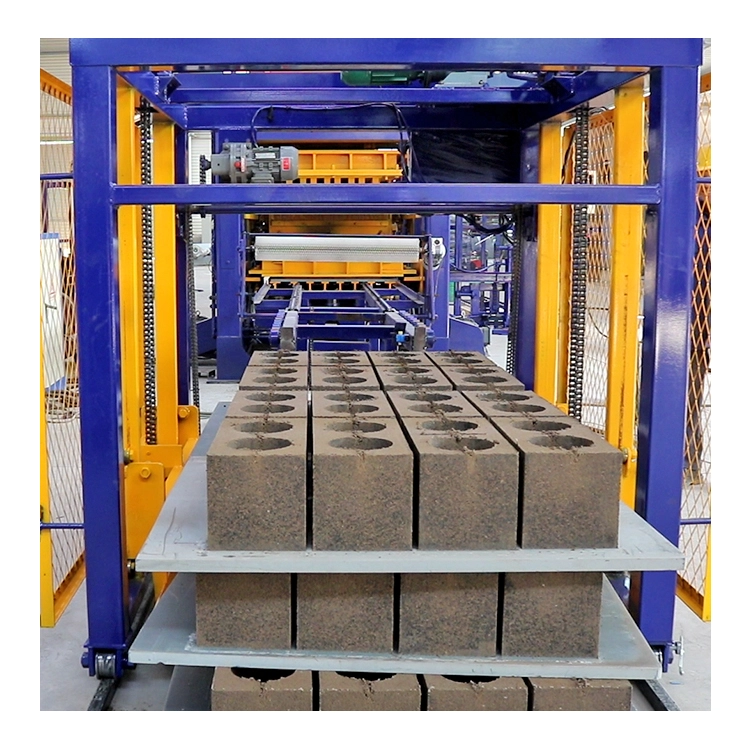
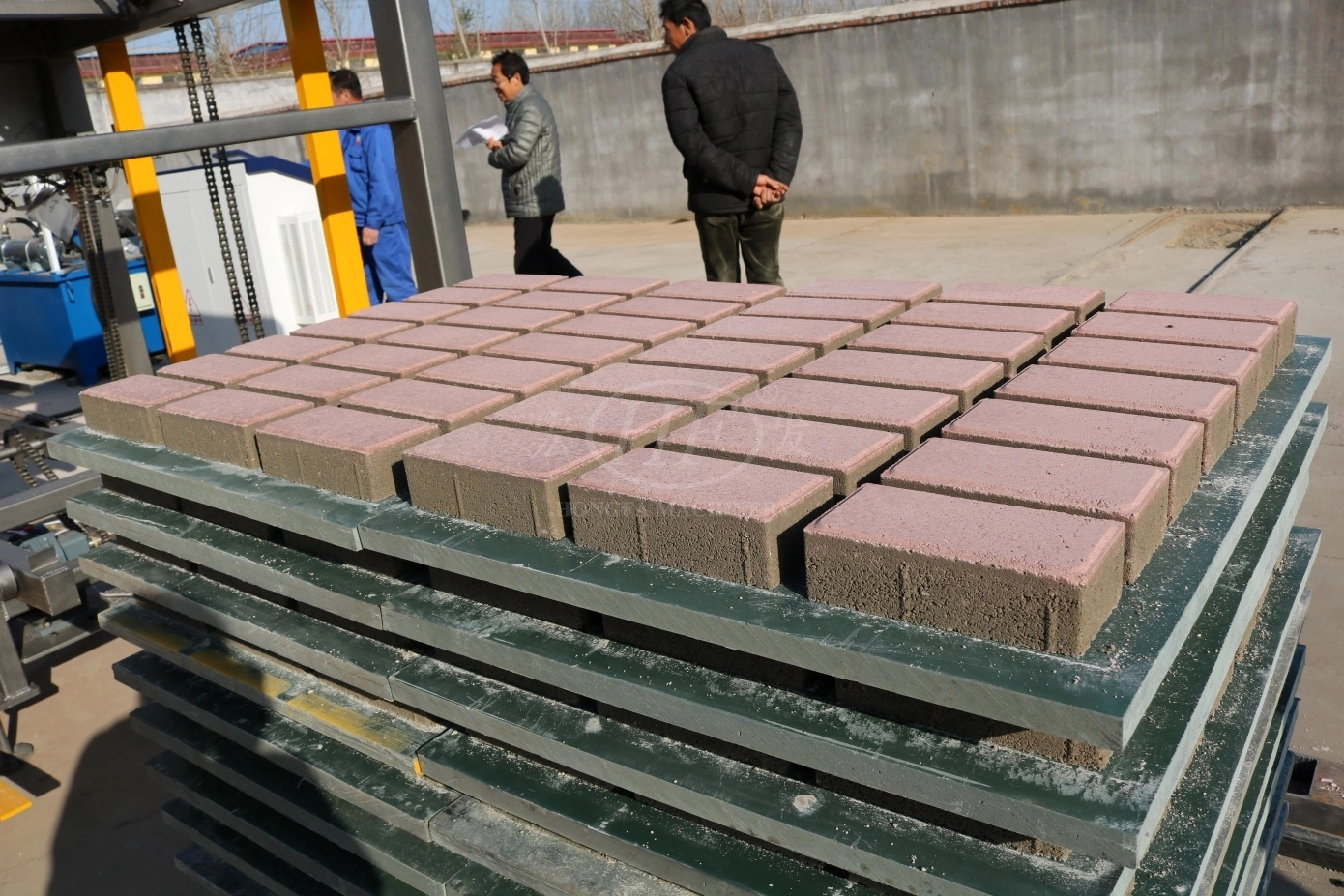
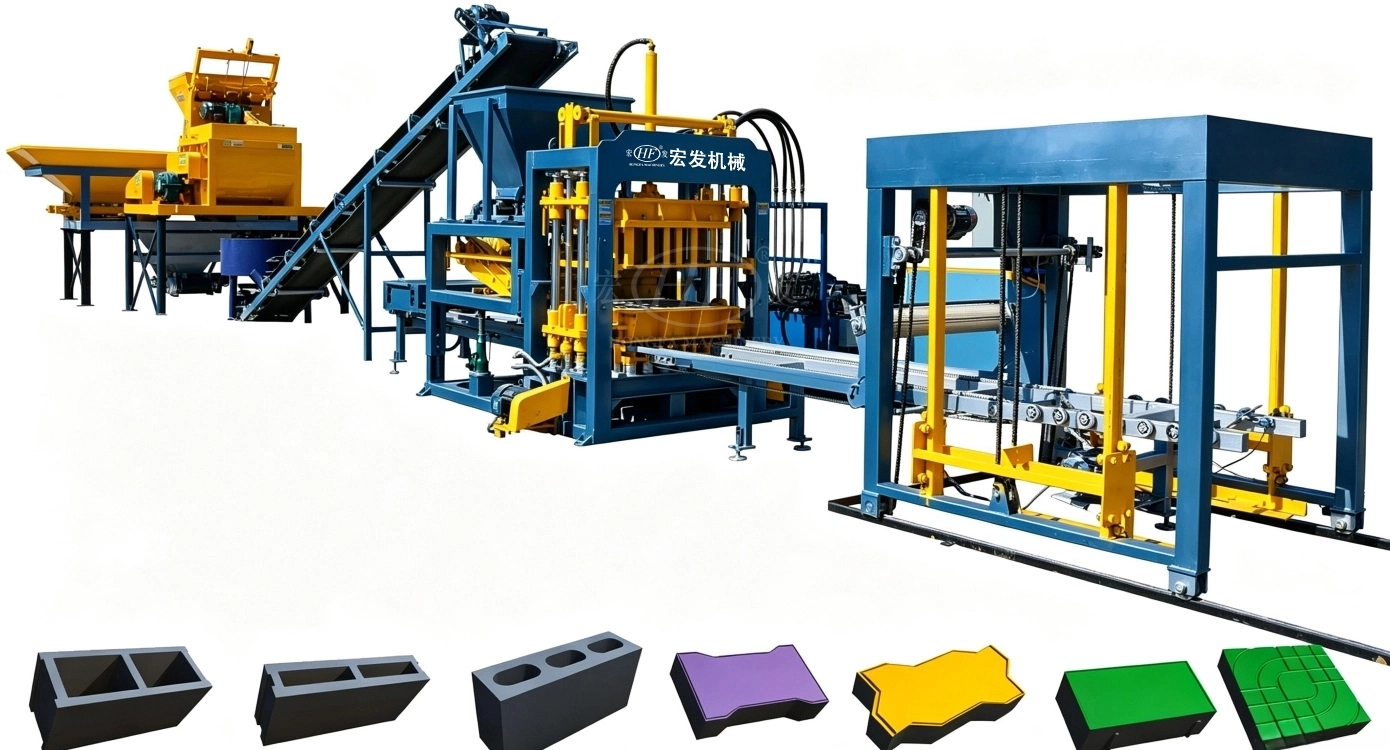
For 240×115×53 mm standard solid bricks, the machine forms 30 pcs in one single pallet. Molding cycle is 15‑25 seconds and maximum hourly output reaches 6800 pcs. Fully‑automatic closed‑loop workflow including pallet feeding, material distribution, vibration‑compression and brick discharging minimizes manual labor. It fits block plants focusing on solid‑brick products to satisfy large‑scale engineering supply demands. Pallet dimension is 850×680×30 mm with high‑efficiency multi‑cavity layout. After installing matched solid‑brick molds, production can start quickly. Total machine weight is 6200 kg with rigid frame resisting deformation under long‑time high‑frequency pressing‑vibration working conditions.
3. Versatile Mold System for Solid Products & Optional Colored Faced Solid‑brick Production
The machine supports complete sets of solid‑product molds, covering national‑standard 240×115×53 mm standard solid bricks and solid blocks of various thicknesses and sizes. Equipped with optional facing material feeder, it can produce surface‑colored solid bricks for municipal and landscape projects. Smooth and wear‑resistant mold cavities ensure fine brick appearance. Wearing parts including feeding teeth, sealing strips and cleaning brushes can be replaced separately instead of whole‑mold replacement to cut consumable cost. After solid‑mold replacement, operators can rapidly calibrate clearances among pressing head, mold box and pallet to guarantee even compression for every brick on one pallet. Complete electrical interlock prevents scraping damage to solid‑brick mold cavities.
4. Broad Raw‑material Compatibility for Cost‑effective Solid‑brick Manufacturing
Solid brick production has strict requirements for aggregate gradation. This machine accepts river sand, crushed stone, stone powder, as well as industrial residues such as fly ash and furnace slag. Maximum coarse aggregate size is limited within 10 mm to avoid surface pits on solid bricks. Reference mixing ratios are provided in user manual. Customers can adjust formulas with local sand, stone and waste residues to reduce cement dosage while maintaining target brick strength. Utilization of local materials complies with solid‑waste recycling policy and improves market competitiveness of solid‑brick products.
5. PLC & Touch‑screen Intelligent Control with Storable Solid‑brick Process Profiles
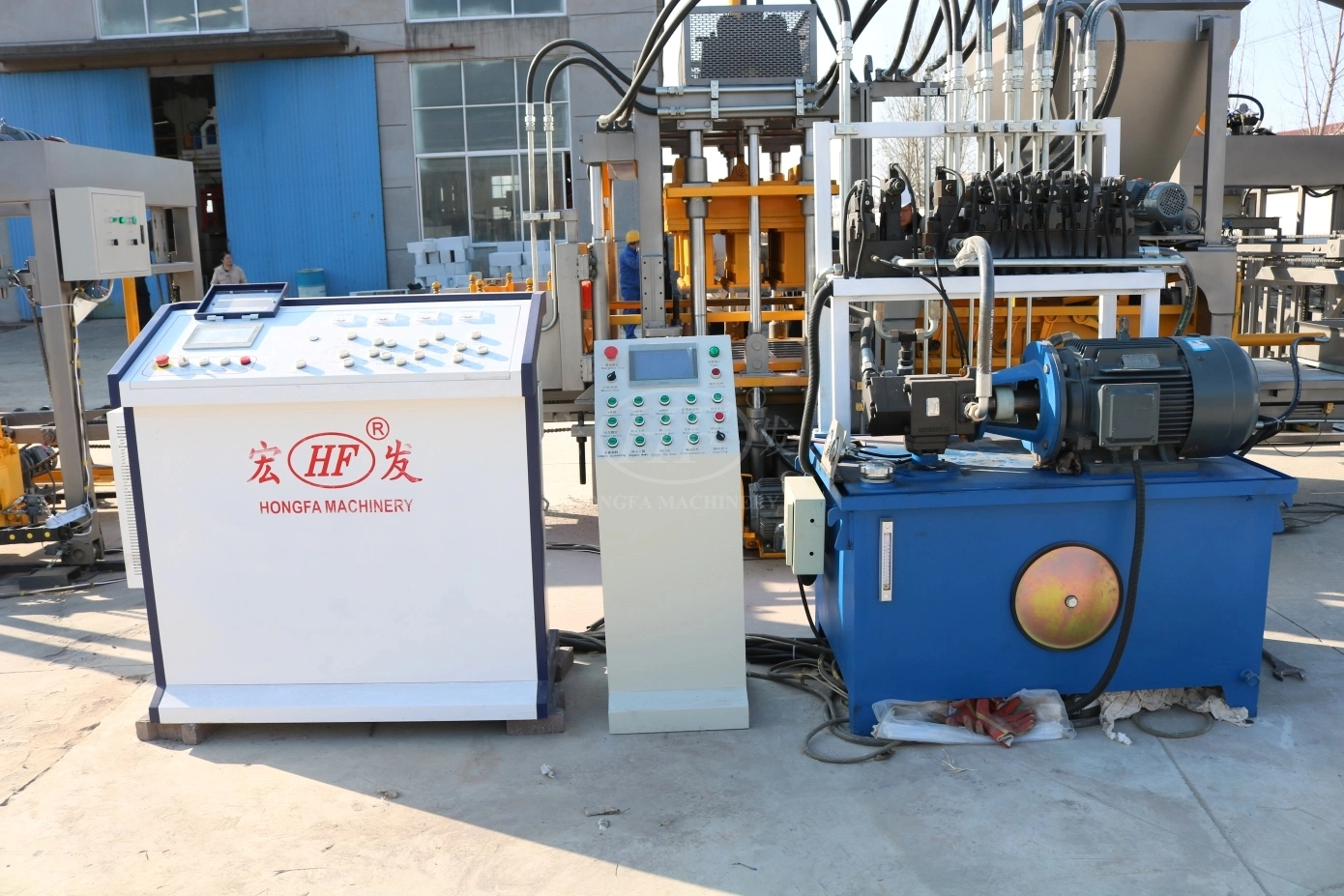
PLC plus HMI touch‑screen allows independent configuration of solid‑brick parameters: pre‑vibration duration, main‑vibration time, pressing holding time and feeding cycles. Complete parameter sets for different formulas or sizes can be saved as brick‑number profiles for one‑click recall, avoiding repeated debugging after formula or size change. Both manual and automatic modes are available. Manual single‑step operation enables technicians to observe green brick status and fine‑tune parameters to solve defects like surface sanding or insufficient density. Automatic mode runs full‑cycle production. Built‑in fault diagnosis and safety interlock prevent accidental mold damage. Operators can master solid‑brick mass‑production after short‑term training.
6. Independent Integrated Hydraulic System Delivers Stable Compression for Consistent Solid‑brick Quality
External independent integrated hydraulic power unit is isolated from host‑machine dust and heavy vibration. Rated hydraulic pressure reaches 16 MPa to provide steady pressing‑head holding force, ensuring uniform compaction for multi‑brick per pallet. Hydraulic filtering and cooling assemblies stabilize oil temperature under non‑stop heavy‑duty production, avoiding pressure drop caused by overheating which leads to insufficient compaction. Gentle movement of pressing head and demolding mechanism protects green solid bricks from corner chipping. Hydraulic wearing parts are easy to maintain; oil‑leak points can be quickly repaired by replacing seals to reduce production‑line downtime.
7. Comprehensive Project‑oriented Support for Solid‑brick Production Commissioning
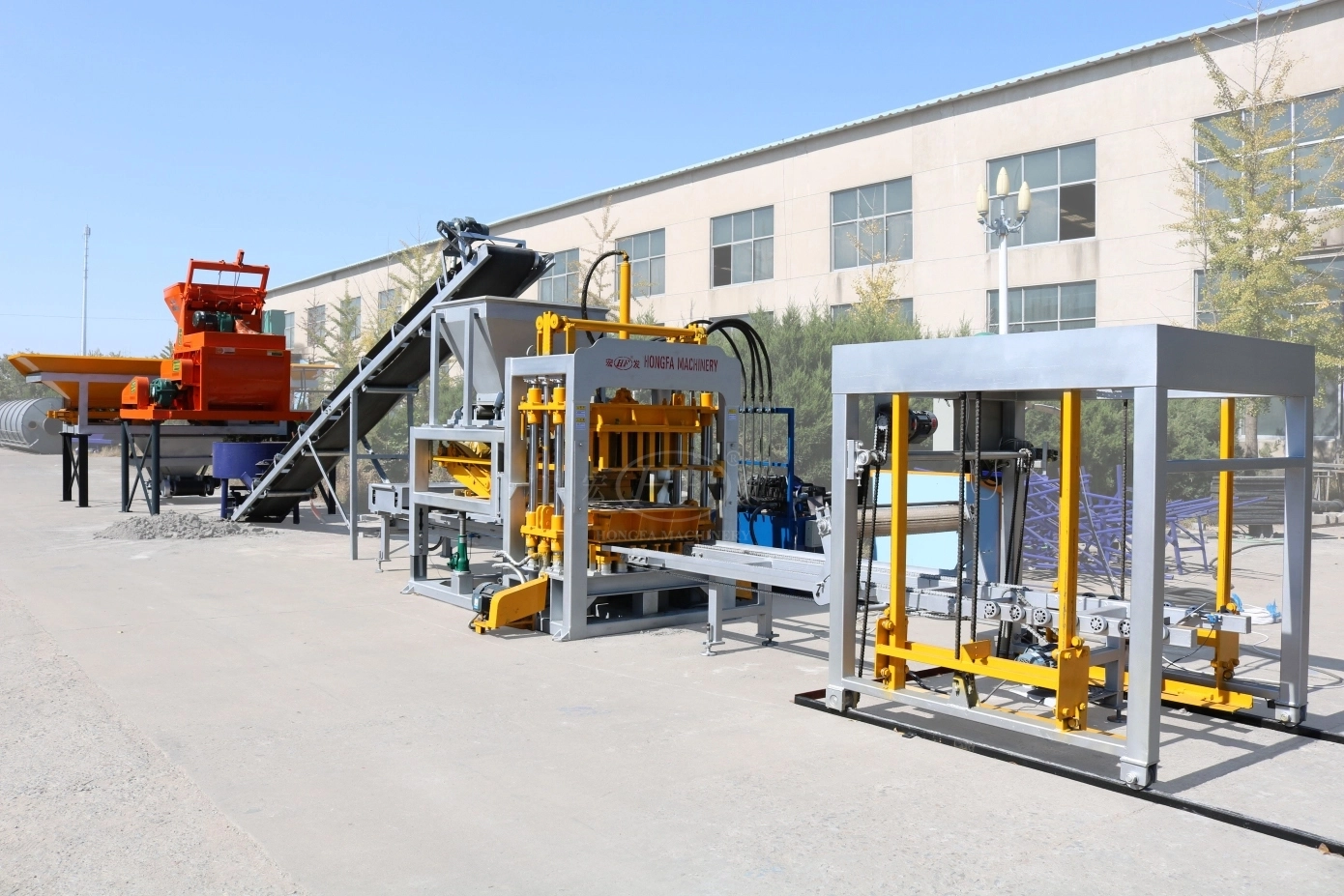
The machine is delivered in split‑modular packages for convenient transportation. After on‑site positioning, leveling, power and hydraulic connection, manual‑joint‑automatic test‑run can be carried out for solid‑brick formula trial‑production. Manufacturer offers reference solid‑brick mixing formulas and troubleshooting guidance for common defects such as surface sanding, edge damage and poor density, together with on‑site operator training. Under proper operation and maintenance, manufacturing defects are covered by free repair and replacement within half‑year after delivery. Original solid‑brick molds, cavity components, seals and vibration‑box spare parts are continuously supplied for stable long‑term solid‑brick operation.
1. Optimized Step‑Vibration‑Compression Technology for Dense Solid Bricks with Smooth Surface
QT6‑15B adopts table‑mounted pre‑vibration plus main‑vibration compression logic specially optimized for solid bricks. Without inner cavities, solid brick mixtures trap air easily. High‑frequency vibration of 4500‑5100 times per minute together with 15‑20 g vibration acceleration fully expels air bubbles inside mold cavities. Aggregate and cement paste distribute evenly among all 30 solid bricks per pallet, eliminating typical solid‑brick defects such as partial looseness, surface sanding and internal lamination. With stable hydraulic pressing, finished solid bricks reach compressive strength over 15 MPa with smooth surfaces and intact edges, requiring no secondary trimming. Three‑layer rubber spring vibration‑isolation structure reduces resonance, guarantees consistent compaction across the whole pallet and lowers reject rate of solid bricks.
2. Large Output per Pallet for High‑volume Continuous Solid‑brick Mass Production
For 240×115×53 mm standard solid bricks, the machine forms 30 pcs in one single pallet. Molding cycle is 15‑25 seconds and maximum hourly output reaches 6800 pcs. Fully‑automatic closed‑loop workflow including pallet feeding, material distribution, vibration‑compression and brick discharging minimizes manual labor. It fits block plants focusing on solid‑brick products to satisfy large‑scale engineering supply demands. Pallet dimension is 850×680×30 mm with high‑efficiency multi‑cavity layout. After installing matched solid‑brick molds, production can start quickly. Total machine weight is 6200 kg with rigid frame resisting deformation under long‑time high‑frequency pressing‑vibration working conditions.
3. Versatile Mold System for Solid Products & Optional Colored Faced Solid‑brick Production
The machine supports complete sets of solid‑product molds, covering national‑standard 240×115×53 mm standard solid bricks and solid blocks of various thicknesses and sizes. Equipped with optional facing material feeder, it can produce surface‑colored solid bricks for municipal and landscape projects. Smooth and wear‑resistant mold cavities ensure fine brick appearance. Wearing parts including feeding teeth, sealing strips and cleaning brushes can be replaced separately instead of whole‑mold replacement to cut consumable cost. After solid‑mold replacement, operators can rapidly calibrate clearances among pressing head, mold box and pallet to guarantee even compression for every brick on one pallet. Complete electrical interlock prevents scraping damage to solid‑brick mold cavities.
4. Broad Raw‑material Compatibility for Cost‑effective Solid‑brick Manufacturing
Solid brick production has strict requirements for aggregate gradation. This machine accepts river sand, crushed stone, stone powder, as well as industrial residues such as fly ash and furnace slag. Maximum coarse aggregate size is limited within 10 mm to avoid surface pits on solid bricks. Reference mixing ratios are provided in user manual. Customers can adjust formulas with local sand, stone and waste residues to reduce cement dosage while maintaining target brick strength. Utilization of local materials complies with solid‑waste recycling policy and improves market competitiveness of solid‑brick products.
5. PLC & Touch‑screen Intelligent Control with Storable Solid‑brick Process Profiles
PLC plus HMI touch‑screen allows independent configuration of solid‑brick parameters: pre‑vibration duration, main‑vibration time, pressing holding time and feeding cycles. Complete parameter sets for different formulas or sizes can be saved as brick‑number profiles for one‑click recall, avoiding repeated debugging after formula or size change. Both manual and automatic modes are available. Manual single‑step operation enables technicians to observe green brick status and fine‑tune parameters to solve defects like surface sanding or insufficient density. Automatic mode runs full‑cycle production. Built‑in fault diagnosis and safety interlock prevent accidental mold damage. Operators can master solid‑brick mass‑production after short‑term training.
6. Independent Integrated Hydraulic System Delivers Stable Compression for Consistent Solid‑brick Quality
External independent integrated hydraulic power unit is isolated from host‑machine dust and heavy vibration. Rated hydraulic pressure reaches 16 MPa to provide steady pressing‑head holding force, ensuring uniform compaction for multi‑brick per pallet. Hydraulic filtering and cooling assemblies stabilize oil temperature under non‑stop heavy‑duty production, avoiding pressure drop caused by overheating which leads to insufficient compaction. Gentle movement of pressing head and demolding mechanism protects green solid bricks from corner chipping. Hydraulic wearing parts are easy to maintain; oil‑leak points can be quickly repaired by replacing seals to reduce production‑line downtime.
7. Comprehensive Project‑oriented Support for Solid‑brick Production Commissioning
The machine is delivered in split‑modular packages for convenient transportation. After on‑site positioning, leveling, power and hydraulic connection, manual‑joint‑automatic test‑run can be carried out for solid‑brick formula trial‑production. Manufacturer offers reference solid‑brick mixing formulas and troubleshooting guidance for common defects such as surface sanding, edge damage and poor density, together with on‑site operator training. Under proper operation and maintenance, manufacturing defects are covered by free repair and replacement within half‑year after delivery. Original solid‑brick molds, cavity components, seals and vibration‑box spare parts are continuously supplied for stable long‑term solid‑brick operation.

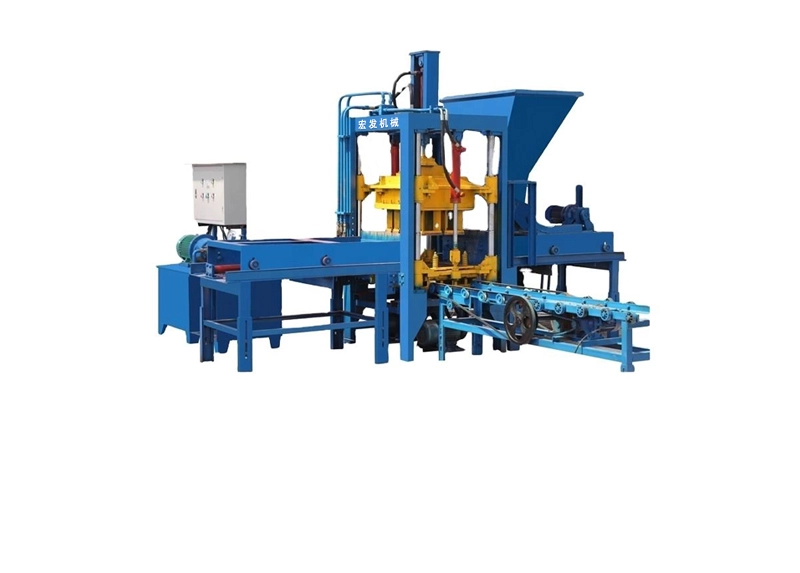 QTF3‑30 Full‑Automatic Concrete Brick Forming Host | PLC‑Controlled Large‑Scale Solid Brick Making Machine
Hongfa QTF3‑30 full‑automatic concrete brick forming host is designed for mass solid‑brick production. Equipped with PLC...

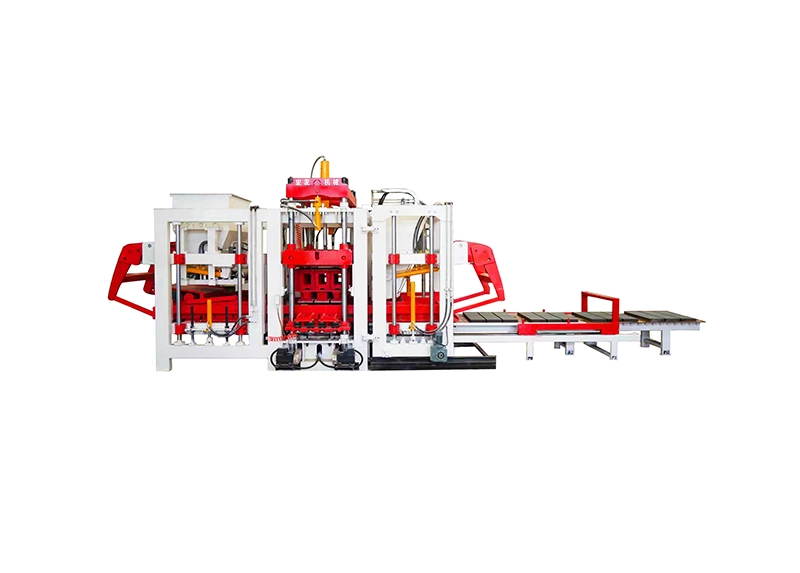 HF18 Pallet‑Free Automatic Brick Forming Machine | High‑Capacity Color Interlocking Paver Block Making Host
HF18 pallet‑free fully‑automatic brick forming machine focuses on manufacturing paver blocks, interlocking bricks and cu...
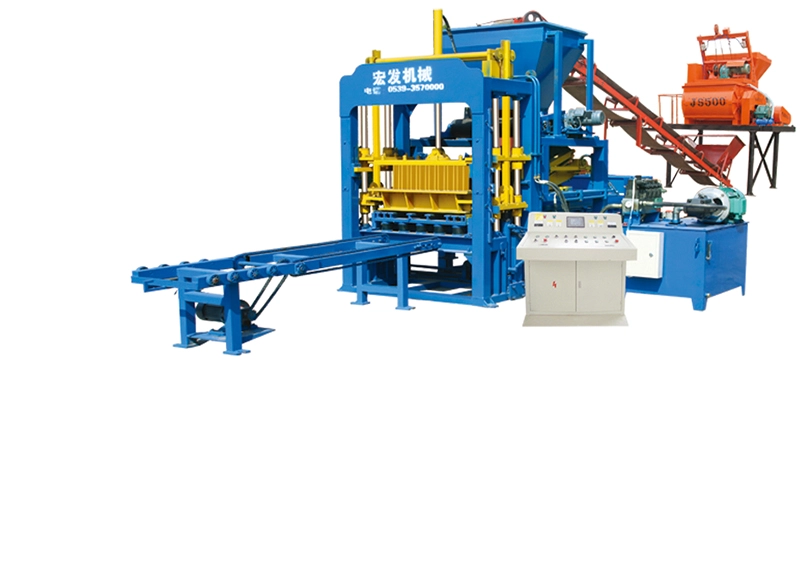 QT4‑15B PLC Automatic Brick Making Machine | Hydraulic‑vibration Concrete Hollow Brick Production Equipment
QT4‑15B fully‑automatic brick making machine adopts PLC & touch‑screen intelligent control with proprietary high‑pow...
Shandong Hongfa Scientific Industrial&Trading Co.,Ltd ©️2026Copyright © LU ICP B 16041216-4