1. Fast Mold‑switching & Multi‑product Capacity to Handle Diversified Paver Orders
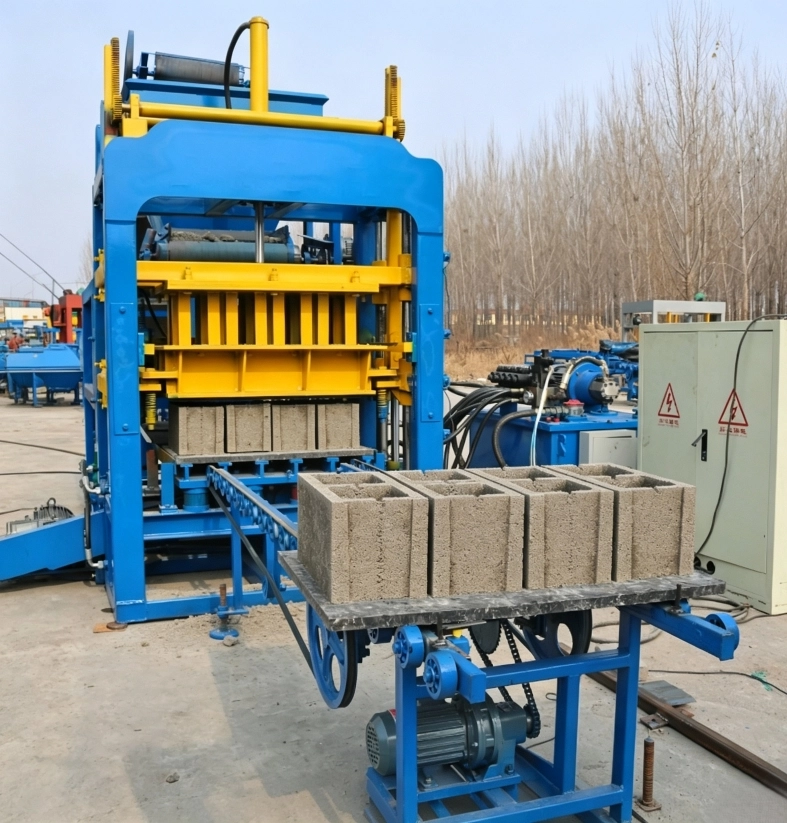
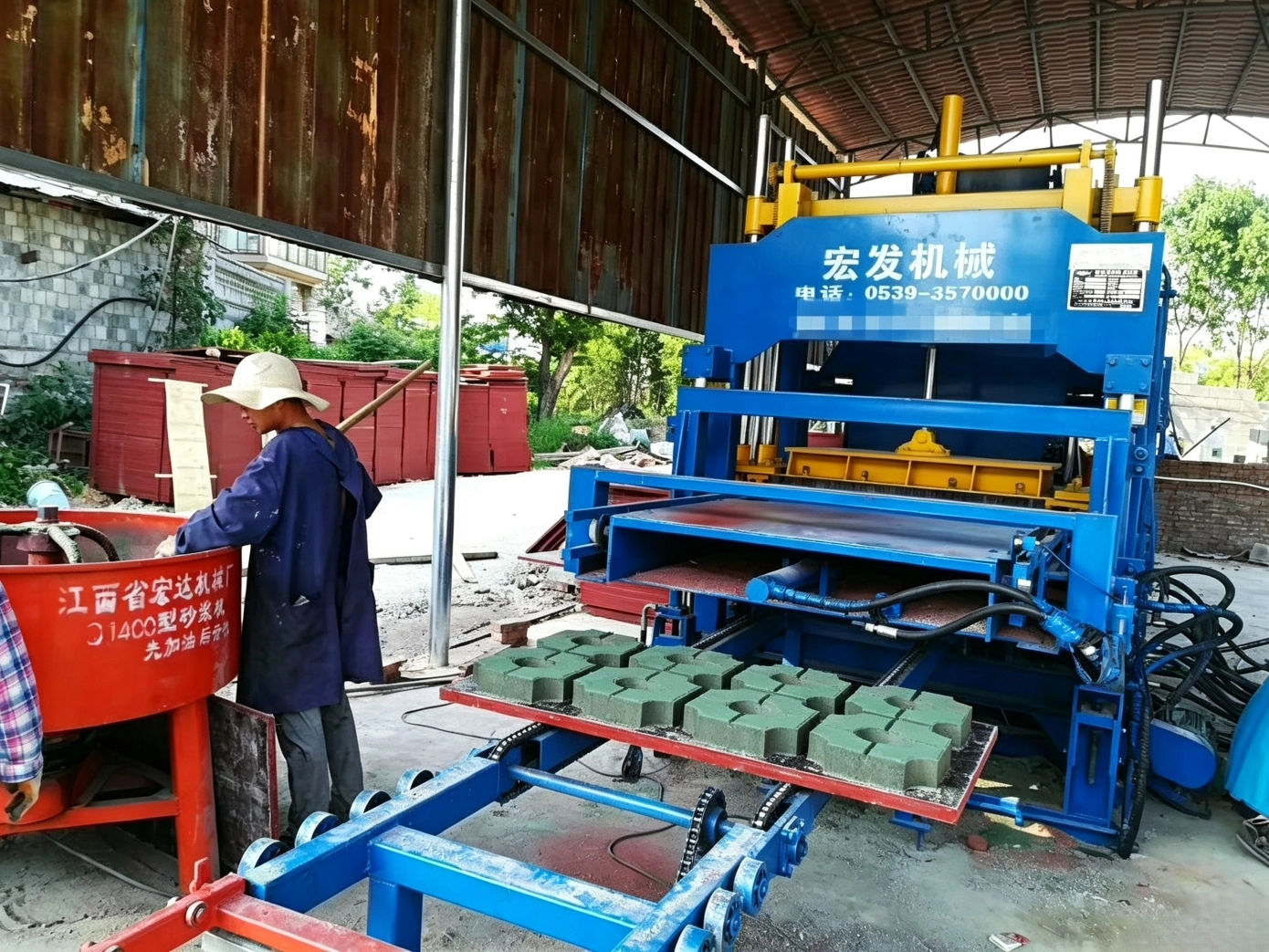
One single machine can produce most paving building materials for municipal projects. By simply replacing molds, you can manufacture interlocking pavers, permeable paving bricks, grass pavers and curb stones with different thicknesses and surface patterns. Meanwhile, it is also capable of producing hollow blocks and standard bricks. There is no need to purchase separate complete production lines for different products, which greatly reduces equipment investment and saves workshop space. Faced with variable customer orders from the market, whether it means grass pavers for landscape projects, curb stones for road reconstruction or colored interlocking pavers for residential districts, production can be launched quickly to shorten order delivery cycles. This machine features outstanding raw‑material compatibility. Industrial solid waste like fly ash, furnace slag, coal gangue and stone powder can serve as main production materials. The maximum proportion of fly ash can reach up to 70%, which significantly cuts the consumption of high‑cost cement and lowers raw‑material cost per paving brick. It complies with solid‑waste recycling policies and improves overall profit margins, bringing prominent benefits especially for brick factories located in regions with abundant local industrial waste resources.
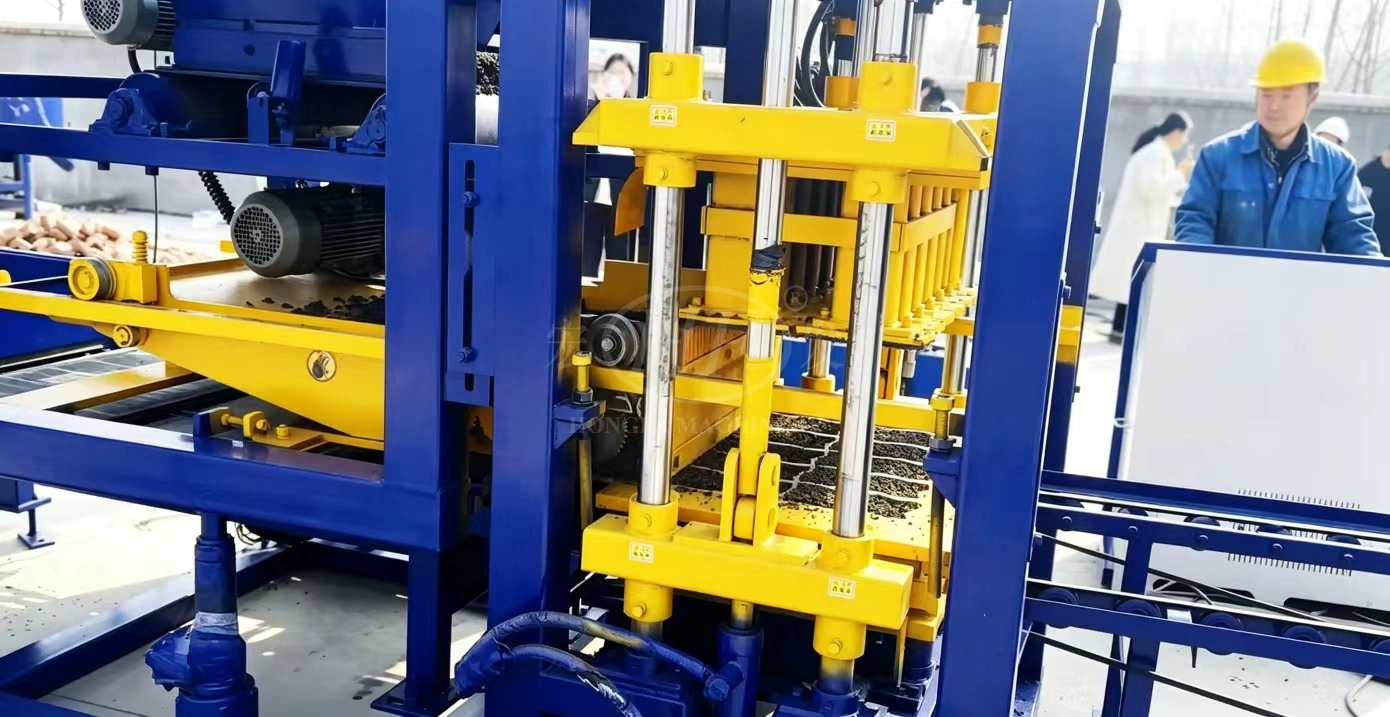
2. Patented High‑strength Vibration‑press System for Dense & Good‑looking Pavers
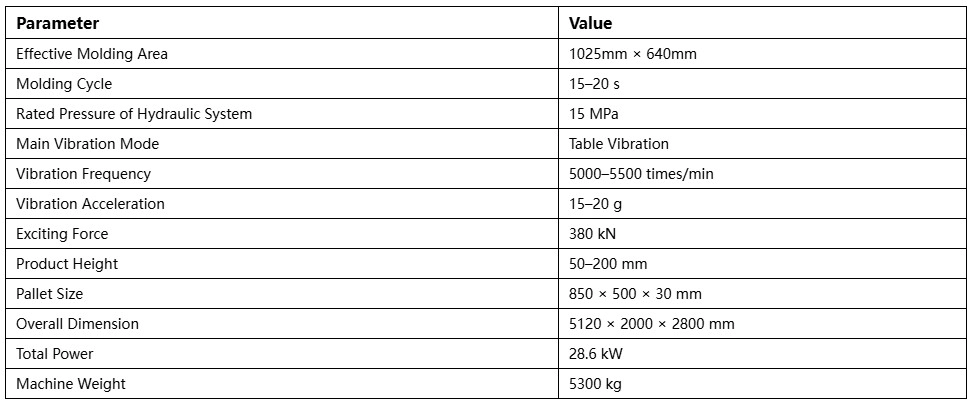
Equipped with self‑developed patented vibration box, the machine adopts hydraulic‑dominated pressing‑vibration forming. With powerful excitation force and reasonable vibration frequency range matched with proper amplitude, concrete materials inside the mold box are fully compacted. Produced paving bricks feature dense internal structure with tensile strength over 15 MPa. Finished pavers own good compression resistance, resisting sanding and cracking after pavement, fully meeting quality standards for municipal roads, parking lots and garden walkways. The forced synchronous mold lifting structure ensures synchronized and smooth demolding, keeping consistent thickness for every batch of paving bricks. It effectively minimizes defective products with chipped edges, corners, bulges or deformations and lifts the finished‑product rate. Less defective output avoids ineffective waste of raw materials and repeated rework. For municipal bidding and export orders with strict requirements on appearance and dimensional tolerance, this machine stably delivers flat pavers with tiny dimensional errors and reduces risks of customer returns and deductions caused by unqualified goods.
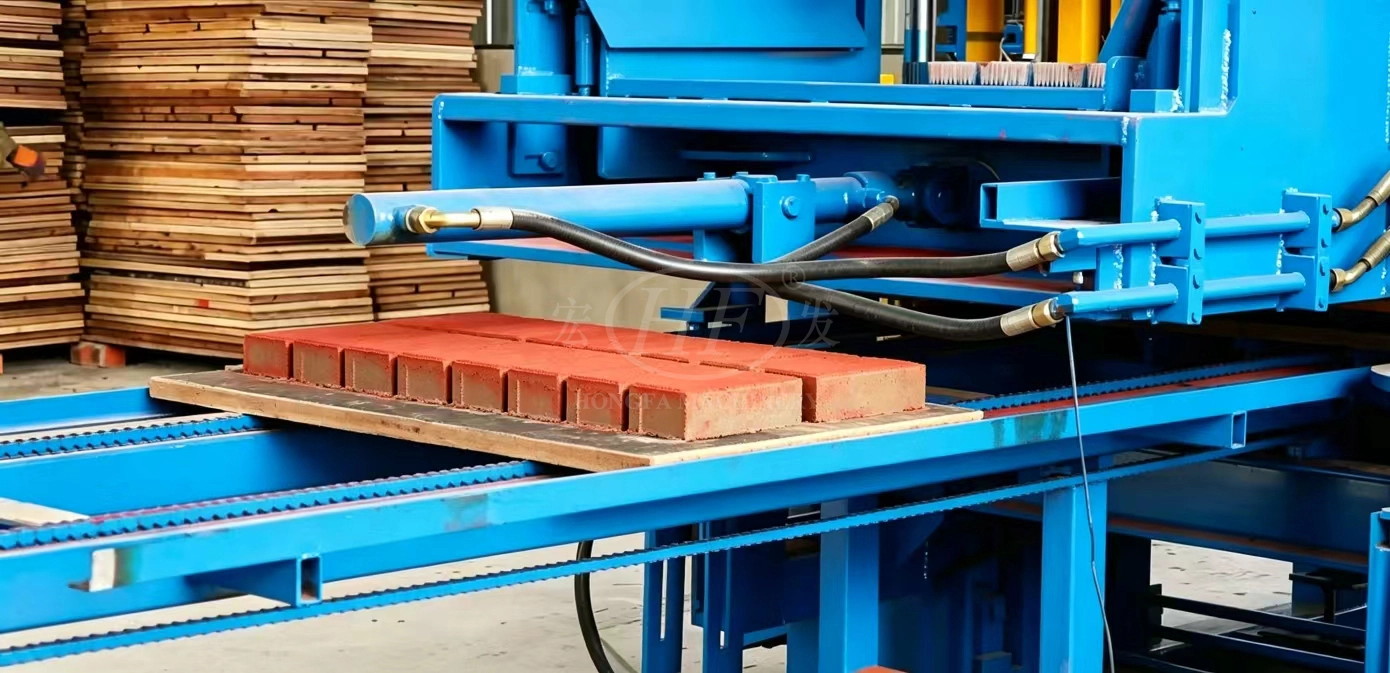
3. PLC Full‑process Automation Cuts Labor & Power Cost in Mass Paver Production
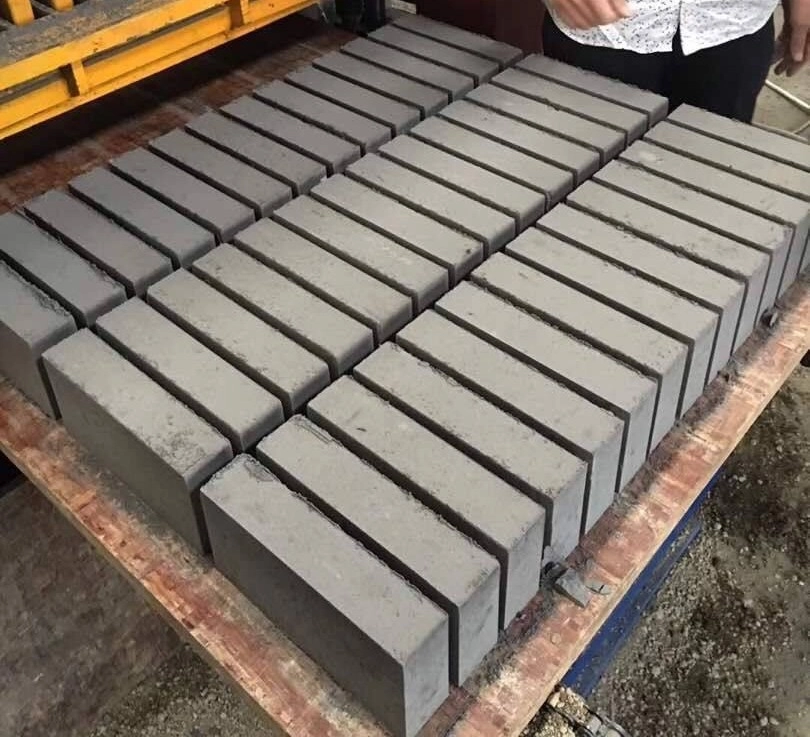
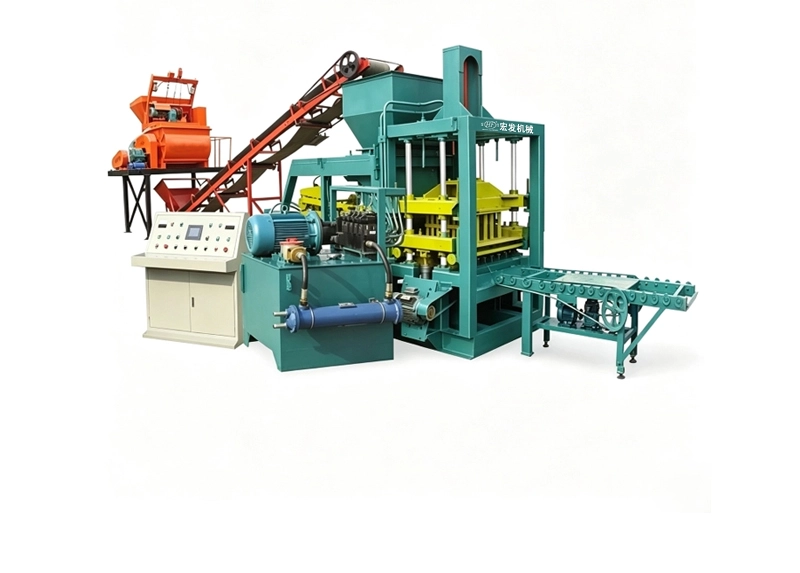
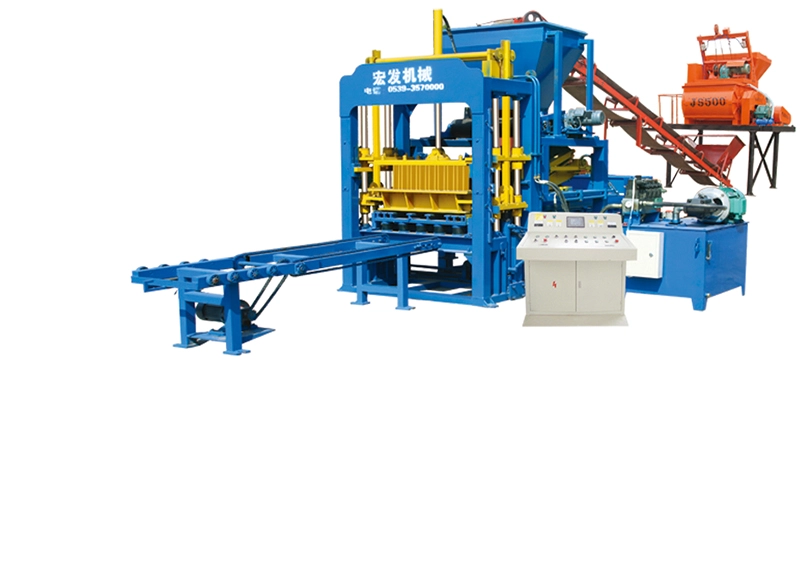
Controlled by PLC, the whole workflow including pallet feeding, material distribution, vibration pressing and demolding‑discharging works automatically. It supports single‑cycle test mode for new‑mold trial and quality inspection, as well as long‑term continuous mass‑production mode. Under continuous‑production mode, the machine runs cyclic non‑stop with sufficient raw materials and pallets, ideal for urgent large‑volume paver supply orders. Multiple paving bricks are demolded and discharged as one complete board for convenient subsequent stacking and handling. Compared with old‑style semi‑automatic brick machines, it greatly reduces on‑site labor requirements and payroll expenditure. While securing stable output with a 15‑20‑second forming cycle, the equipment optimizes overall power consumption to lower energy cost per finished brick. Even under long‑term non‑stop rush‑order conditions, the closed‑loop action logic prevents mechanical damage from mis‑operation. Operators can get competent after simple training, easing the shortage of skilled workers in brick factories.
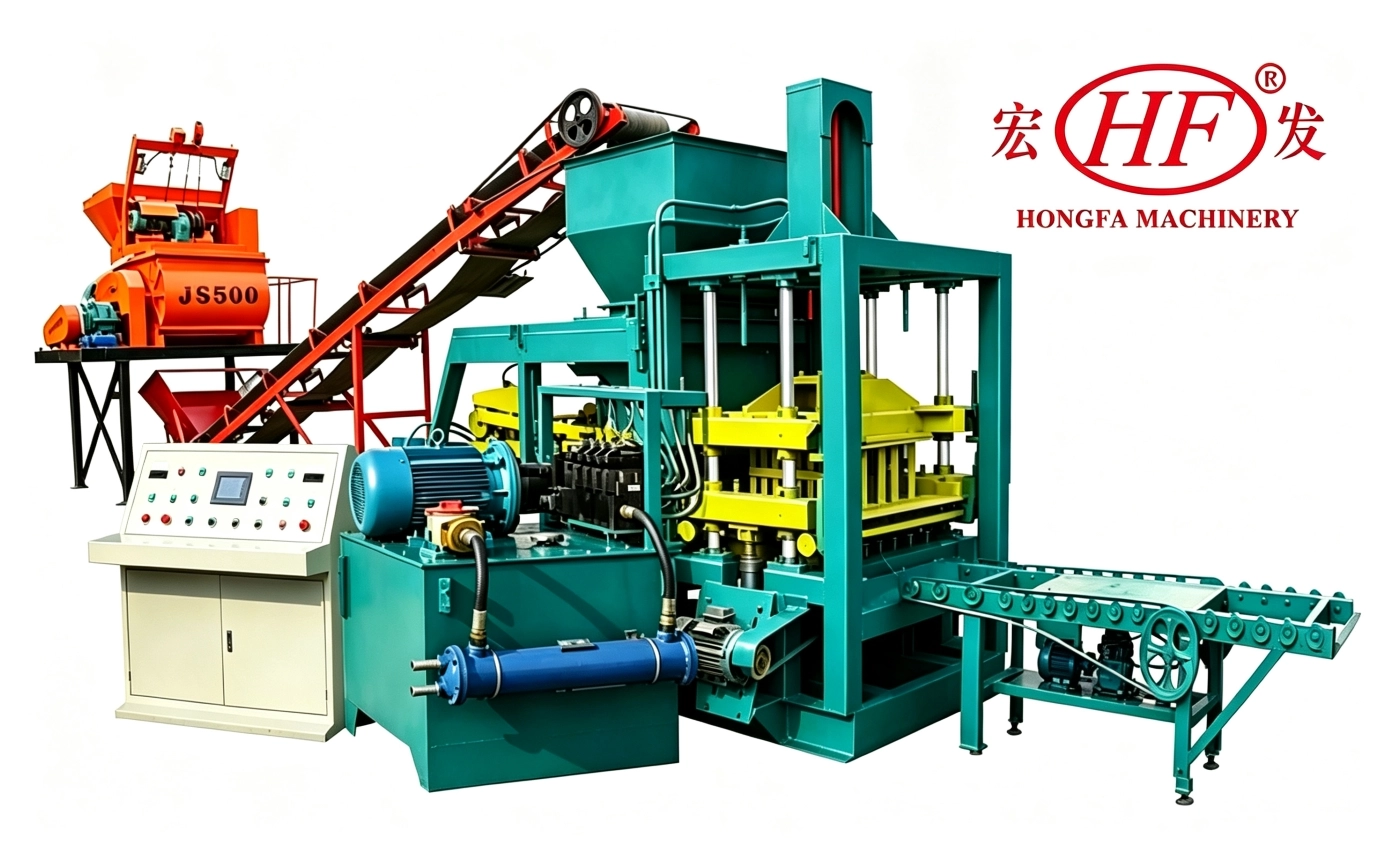
4. Premium Core Components Minimize Downtime‑related Order Risks & Financial Loss
Key hydraulic valves, oil cylinders and electrical components are imported originals or top‑tier domestic brands. Every unit completes full linkage test before delivery. Optimized mechanical structure delivers better anti‑fatigue performance, adapting to heavy‑duty continuous paver‑production conditions in brick plants. Unplanned breakdowns are largely reduced together with frequent maintenance and disassembly work. Paving brick orders usually come with strict delivery deadlines, especially municipal and export contracts. Frequent equipment failures cause production suspension, order delays, penalty charges and even lost clients. Low‑failure performance stabilizes your production rhythm, reduces capacity loss caused by maintenance shutdown, lowers long‑term spare‑part replacement expenses and safeguards on‑time delivery as well as stable customer relationships.
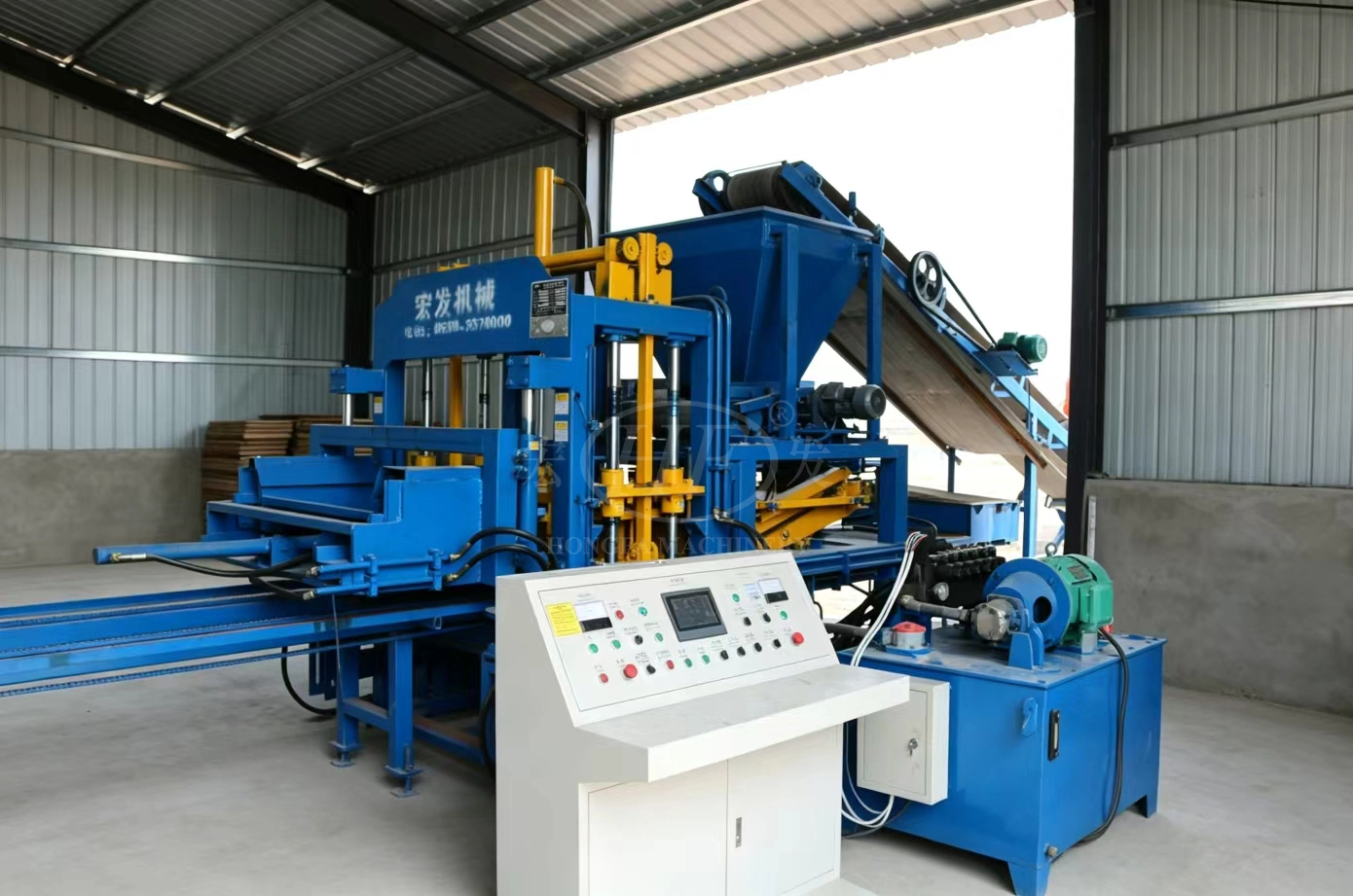
5. Compatible with Natural Curing, Lower Initial Investment & Faster Project Launch
Green paver bricks produced by QT4‑15B support natural curing. Expensive steam‑curing kilns and corresponding heavy fuel & power consumption are no longer mandatory, greatly cutting auxiliary‑equipment investment for new plants. Small‑and‑medium investors and start‑up brick manufacturers can launch paver‑production projects without huge capital outlay on curing kilns, shortening construction cycles and enabling earlier market access and profit generation. Bricks can gain qualified strength through standardized stacking and water sprinkling curing procedures. It works well both for large‑scale formal brick plants and small‑and‑medium processing factories with limited site budgets. Whether you focus on domestic municipal sales or export paving‑brick business, you can carry out production flexibly according to your actual plant conditions.
1. Fast Mold‑switching & Multi‑product Capacity to Handle Diversified Paver Orders
One single machine can produce most paving building materials for municipal projects. By simply replacing molds, you can manufacture interlocking pavers, permeable paving bricks, grass pavers and curb stones with different thicknesses and surface patterns. Meanwhile, it is also capable of producing hollow blocks and standard bricks. There is no need to purchase separate complete production lines for different products, which greatly reduces equipment investment and saves workshop space. Faced with variable customer orders from the market, whether it means grass pavers for landscape projects, curb stones for road reconstruction or colored interlocking pavers for residential districts, production can be launched quickly to shorten order delivery cycles. This machine features outstanding raw‑material compatibility. Industrial solid waste like fly ash, furnace slag, coal gangue and stone powder can serve as main production materials. The maximum proportion of fly ash can reach up to 70%, which significantly cuts the consumption of high‑cost cement and lowers raw‑material cost per paving brick. It complies with solid‑waste recycling policies and improves overall profit margins, bringing prominent benefits especially for brick factories located in regions with abundant local industrial waste resources.
2. Patented High‑strength Vibration‑press System for Dense & Good‑looking Pavers
Equipped with self‑developed patented vibration box, the machine adopts hydraulic‑dominated pressing‑vibration forming. With powerful excitation force and reasonable vibration frequency range matched with proper amplitude, concrete materials inside the mold box are fully compacted. Produced paving bricks feature dense internal structure with tensile strength over 15 MPa. Finished pavers own good compression resistance, resisting sanding and cracking after pavement, fully meeting quality standards for municipal roads, parking lots and garden walkways. The forced synchronous mold lifting structure ensures synchronized and smooth demolding, keeping consistent thickness for every batch of paving bricks. It effectively minimizes defective products with chipped edges, corners, bulges or deformations and lifts the finished‑product rate. Less defective output avoids ineffective waste of raw materials and repeated rework. For municipal bidding and export orders with strict requirements on appearance and dimensional tolerance, this machine stably delivers flat pavers with tiny dimensional errors and reduces risks of customer returns and deductions caused by unqualified goods.
3. PLC Full‑process Automation Cuts Labor & Power Cost in Mass Paver Production
Controlled by PLC, the whole workflow including pallet feeding, material distribution, vibration pressing and demolding‑discharging works automatically. It supports single‑cycle test mode for new‑mold trial and quality inspection, as well as long‑term continuous mass‑production mode. Under continuous‑production mode, the machine runs cyclic non‑stop with sufficient raw materials and pallets, ideal for urgent large‑volume paver supply orders. Multiple paving bricks are demolded and discharged as one complete board for convenient subsequent stacking and handling. Compared with old‑style semi‑automatic brick machines, it greatly reduces on‑site labor requirements and payroll expenditure. While securing stable output with a 15‑20‑second forming cycle, the equipment optimizes overall power consumption to lower energy cost per finished brick. Even under long‑term non‑stop rush‑order conditions, the closed‑loop action logic prevents mechanical damage from mis‑operation. Operators can get competent after simple training, easing the shortage of skilled workers in brick factories.
4. Premium Core Components Minimize Downtime‑related Order Risks & Financial Loss
Key hydraulic valves, oil cylinders and electrical components are imported originals or top‑tier domestic brands. Every unit completes full linkage test before delivery. Optimized mechanical structure delivers better anti‑fatigue performance, adapting to heavy‑duty continuous paver‑production conditions in brick plants. Unplanned breakdowns are largely reduced together with frequent maintenance and disassembly work. Paving brick orders usually come with strict delivery deadlines, especially municipal and export contracts. Frequent equipment failures cause production suspension, order delays, penalty charges and even lost clients. Low‑failure performance stabilizes your production rhythm, reduces capacity loss caused by maintenance shutdown, lowers long‑term spare‑part replacement expenses and safeguards on‑time delivery as well as stable customer relationships.
5. Compatible with Natural Curing, Lower Initial Investment & Faster Project Launch
Green paver bricks produced by QT4‑15B support natural curing. Expensive steam‑curing kilns and corresponding heavy fuel & power consumption are no longer mandatory, greatly cutting auxiliary‑equipment investment for new plants. Small‑and‑medium investors and start‑up brick manufacturers can launch paver‑production projects without huge capital outlay on curing kilns, shortening construction cycles and enabling earlier market access and profit generation. Bricks can gain qualified strength through standardized stacking and water sprinkling curing procedures. It works well both for large‑scale formal brick plants and small‑and‑medium processing factories with limited site budgets. Whether you focus on domestic municipal sales or export paving‑brick business, you can carry out production flexibly according to your actual plant conditions.

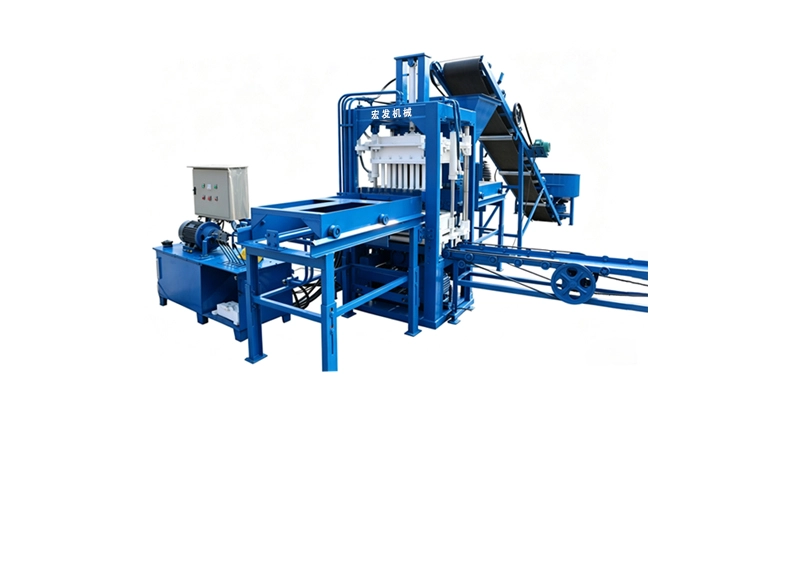 QT3-15 Automatic Color Paver Brick Making Machine | Concrete Colored Pavement Brick Production Equipment
QT3-15 automatic color paver brick forming machine, specially designed for producing colorful pavement bricks for sidewa...
 QT3-15 Automatic Construction Waste Recycling Brick Machine | Industrial Solid Waste Recycle Equipment
QT3-15 automatic construction waste recycling brick machine customized for construction waste, slag and other solid wast...
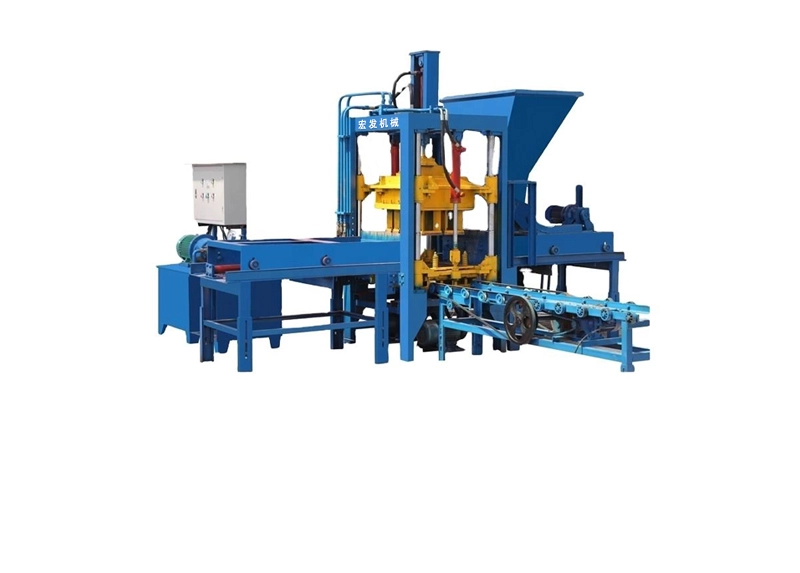 QTF3‑30 Full‑Automatic Concrete Brick Forming Host | PLC‑Controlled Large‑Scale Solid Brick Making Machine
Hongfa QTF3‑30 full‑automatic concrete brick forming host is designed for mass solid‑brick production. Equipped with PLC...
Shandong Hongfa Scientific Industrial&Trading Co.,Ltd ©️2026Copyright © LU ICP B 16041216-4