QT8-15 Automatic Concrete Hollow Brick Making Machine in Africa
 2026-08-19
 325
325
Production Case of QT8‑15 Full‑automatic Hydraulic Block Forming Machine
Project Overview
This project is located in Africa. The customer purchased the complete production line of QT8‑15 full‑automatic hydraulic block forming machine to build a local concrete block factory. Making full use of local abundant sand and stone resources, the plant produces concrete hollow blocks and standard building bricks for local residential construction, boundary walls and small‑to‑medium‑size infrastructure projects.
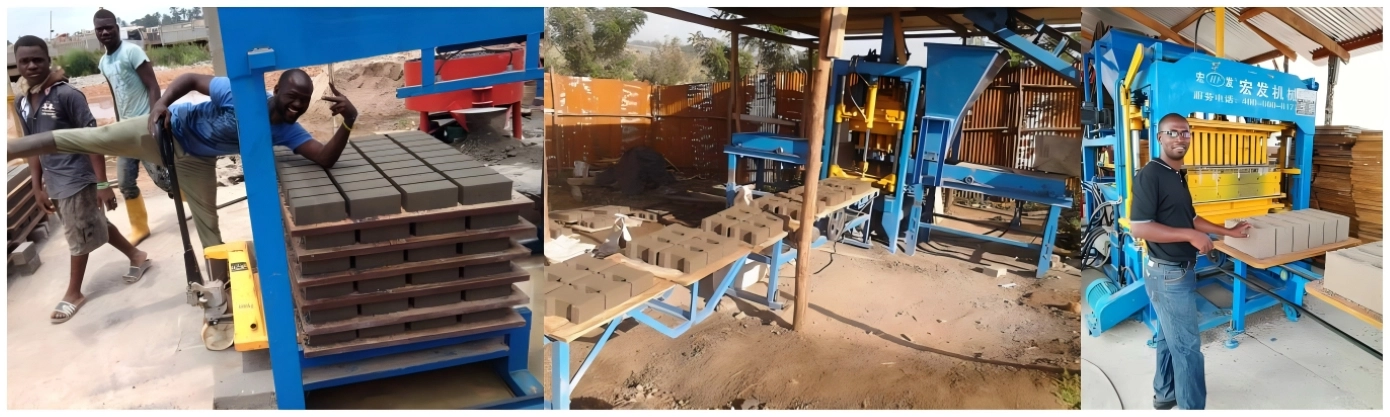
The plant adopts a simple sun‑shade shed structure, without complicated civil construction or autoclaving systems. The equipment can be quickly put into production after installation and commissioning. Besides, the project creates local employment opportunities, bringing both economic and social benefits.
Equipment Introduction
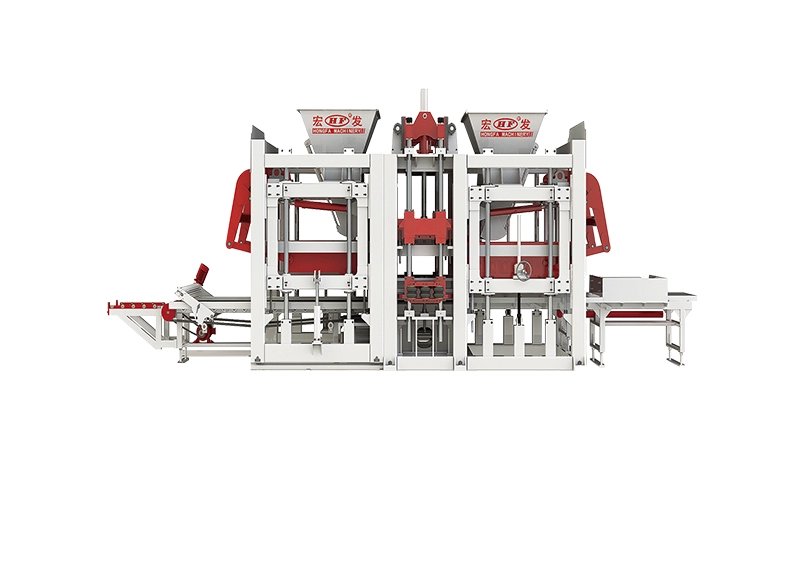
QT8‑15 is a full‑automatic hydraulic block forming machine, adopting the forming technology of hydraulic pressing combined with high‑frequency vibration. Sufficient forming pressure guarantees high compactness of finished blocks. The whole process including feeding, automatic material distribution, compression forming and pallet discharging is fully automated. Mould replacement enables the production of diversified products such as hollow blocks, solid bricks and paving bricks.
Production Capacity: 8 hollow blocks per mould cycle with short cycle time for high daily output
Configuration: Main forming host, hopper & material distribution system, pallet conveying mechanism. Wood pallets and manual hydraulic forklifts are equipped for block discharge and transfer.
Production Condition: Finished green blocks adopt open‑air natural curing. No autoclave curing equipment is required, which fits local African production conditions.
On‑site Production Process
1.Raw Material Mixing: Locally sourced sand‑stone aggregates are mixed with cement in required proportion, then delivered to the feeding hopper of the machine.
2.Automatic Material Feeding & Forming: QT8‑15 completes automatic material distribution. Mixtures inside the mould box are compacted under high‑frequency vibration and bidirectional hydraulic pressure to form concrete blocks with unified specifications.
3.Automatic Block Discharge: Formed blocks together with pallets are conveyed out from the main unit. Finished green blocks feature neat appearance and complete edges & corners.
4.Stacking, Transfer and Curing: Local workers transfer pallets carrying green blocks to open‑air storage yard for layered stacking by hydraulic forklifts. Products are naturally cured in the open air and ready for sale once curing requirements are met.
Key Project Advantages
1.Strong Environmental Adaptability: QT8‑15 can operate in simple shed workshops with low requirements for factory infrastructure, cutting down upfront construction investment. Local raw materials greatly reduce procurement and transportation costs.
2.Easy Operation & Maintenance: With user‑friendly control logic, local workers can independently finish machine operation, green‑block handling, stacking and routine maintenance after short‑term technical training, solving overseas labor challenges.
3.Stable Output & Diversified Products: The main unit delivers consistent mass production. Different block types can be manufactured by changing moulds to expand product portfolios and sales channels. Produced blocks meet local building strength standards and enjoy strong market demand.
4.Low‑capital Investment Mode: Large‑cost supporting facilities such as autoclaving kilns are dispensable. Natural curing realizes product hardening and shortens the payback period of investment.
Project Outcome
The QT8‑15 full‑automatic hydraulic block forming machine runs stably on‑site and continuously produces qualified concrete blocks. It realizes local manufacturing of building materials and reduces reliance on imported construction materials.
The project brings steady economic returns for investors, provides local jobs, and facilitates the construction of residential houses and public infrastructure. It proves to be a mature solution for small‑and‑medium‑size building‑material investment in overseas markets.