QT6‑15B Automatic Hollow Brick Making Machine Production Case
 2026-08-25
 219
219
Production Case of QT6‑15B Automatic Hollow Brick Making Machine (Focus on Hollow Blocks)
Project Overview
Machine Model: QT6‑15B Automatic Hollow Brick Making Machine
Main Product: Concrete hollow blocks
Raw‑material Formula: River sand, crushed stone, stone dust and cement. Fly ash, tailings, recycled construction aggregate and other solid‑waste materials are acceptable. Non‑fired production, finished by natural curing.
Production Capacity: 6 hollow blocks per mould. Molding cycle: 15‑20 seconds. Output: 8640‑11520 hollow blocks within an 8‑hour shift. Pallet size: 900×700 mm. Equipped with automatic feeding, hydraulic vibration forming and auto‑discharging system to reduce labor workload.
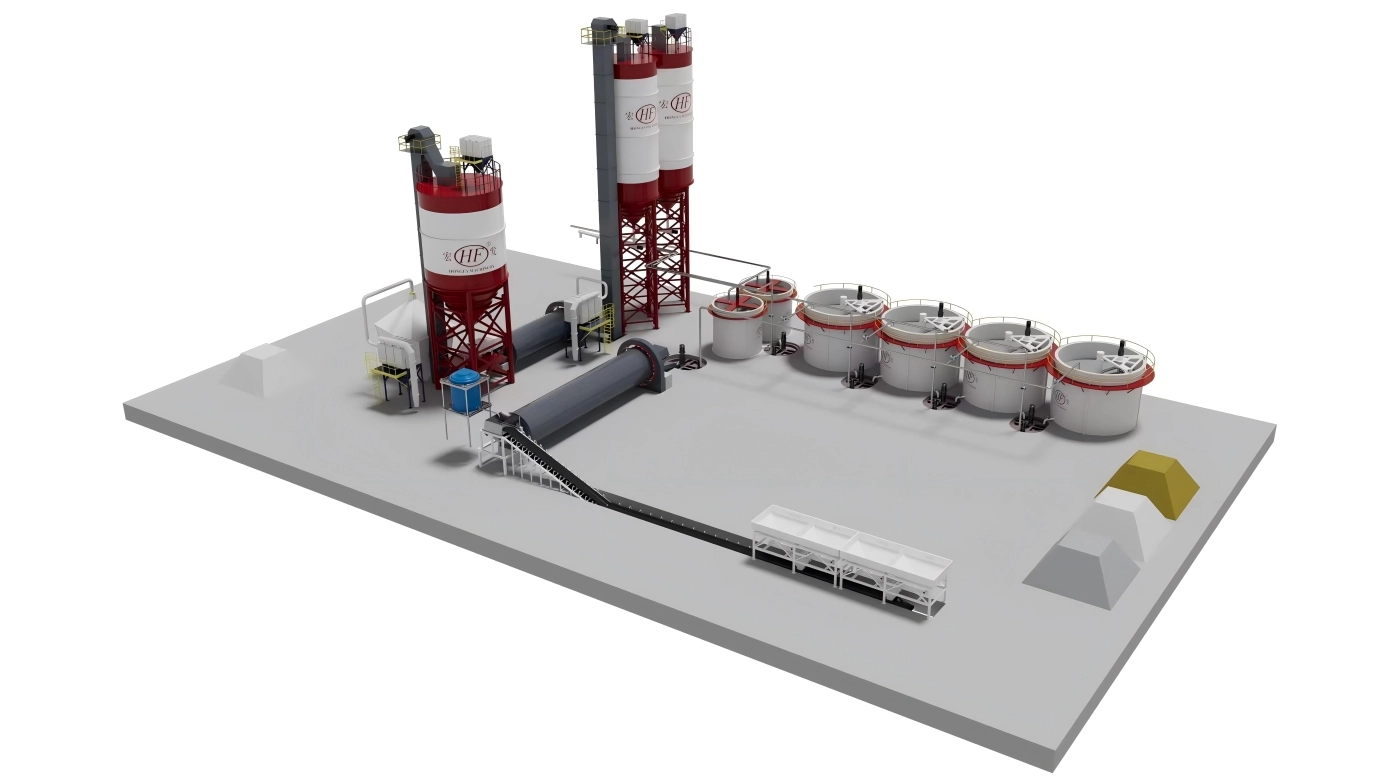
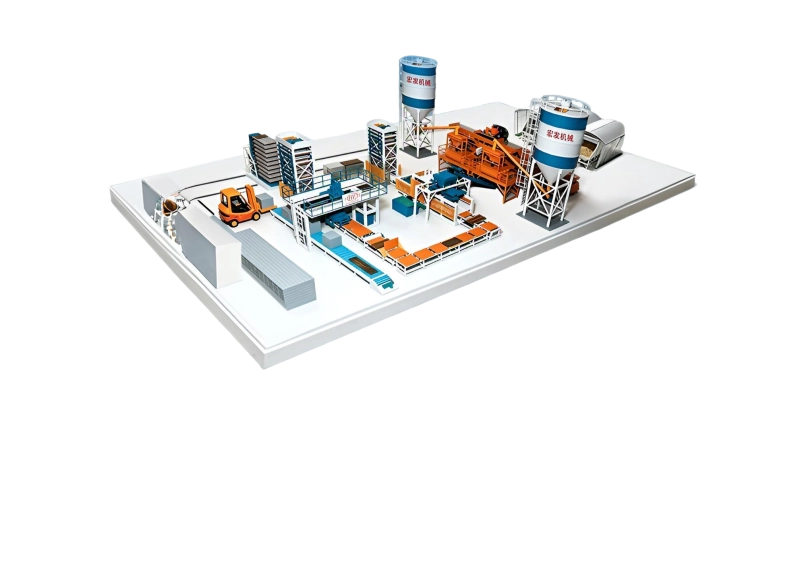
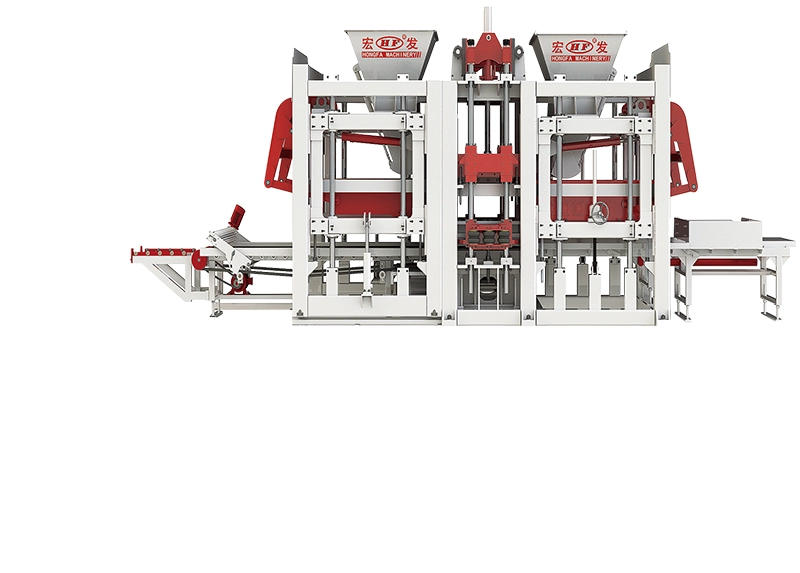
Production‑line Configuration: QT6‑15B main forming unit, batching‑mixing system, aggregate bin, belt conveyor, hydraulic station, PLC intelligent control cabinet. Total power: 28.65 kW, machine weight: approx. 6 tons, rated hydraulic pressure: 16 MPa.
Project Position: Medium‑scale building‑material block‑production project. Finished hollow blocks are supplied for non‑load‑bearing partition walls of residential buildings, rural houses and fence construction. Hollow block is the core product; solid bricks, porous blocks, pavers and other blocks can be produced by changing moulds.
Site Introduction
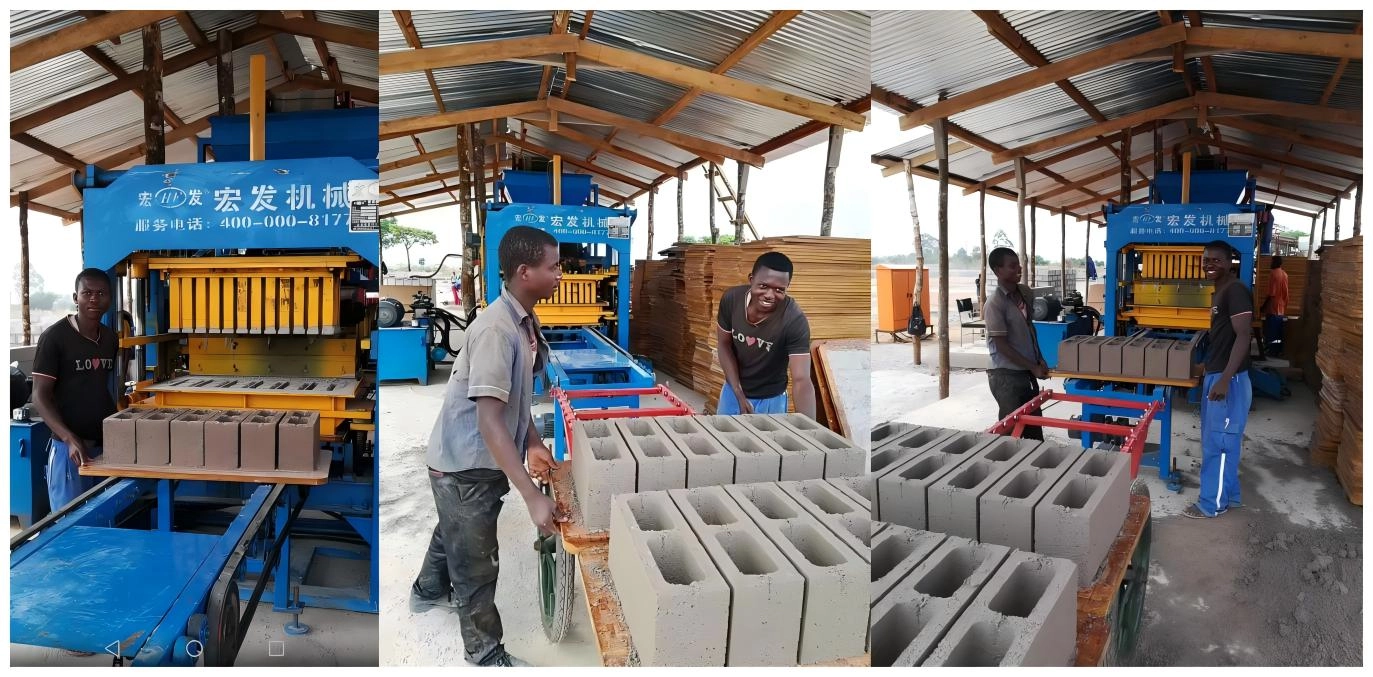
The whole production‑line layout is compact. QT6‑15B adopts integrated table‑mould high‑frequency vibration plus hydraulic pressing. Vibration energy is transmitted evenly so that raw materials fully fill every corner of the hollow‑block mould cavity, ensuring neat holes and uniform wall‑thickness.
Mixed raw materials are delivered to the feeder, spread evenly into mould boxes, compacted by vibration and hydraulic pressure. Fresh hollow‑blocks are well‑shaped and high‑density after demoulding.
New‑made wet blocks on pallets are transported to the curing yard, stacked in rows for 7‑10‑day natural curing until they reach qualified strength for delivery. 3‑4 workers are assigned for raw‑material inspection, line monitoring, pallet handling and finished‑block stacking. Hollow‑block mould is permanently installed for continuous mass‑production.
Advantages for Hollow‑Block Production
1. Stable hollow‑block quality. Combined high‑frequency vibration and hydraulic pressing delivers uniform compaction, neat cavities and consistent wall‑thickness. It greatly lowers reject rate of broken, chipped or cracked blocks, meeting local construction standards.
2. Suitable output for medium‑sized hollow‑block factories. 6 hollow‑blocks per cycle provides proper capacity for medium‑scale brick plants to fulfil bulk wall‑material orders.
3. Wide raw‑material adaptability to cut production cost. Local sand, stone, stone dust and industrial waste can be used directly, reducing transportation expenses.
4. Stable automatic operation for long‑time hollow‑block manufacturing. PLC intelligent control ensures smooth running and low failure rate during long‑duration continuous production.
5. Multi‑product flexibility. Quick mould replacement enables production of solid bricks, paving blocks and other blocks for flexible market adjustment.
Customer Feedback
After commissioning, the hollow‑block qualification rate keeps above 95%. The QT6‑15B production‑line runs stably with high forming efficiency. Manufactured hollow‑blocks are lightweight and feature excellent heat‑insulation and sound‑insulation performance, enjoying steady market sales. The client considers QT6‑15B a cost‑effective automatic block machine with well‑matched capacity for medium‑scale hollow‑block factories.