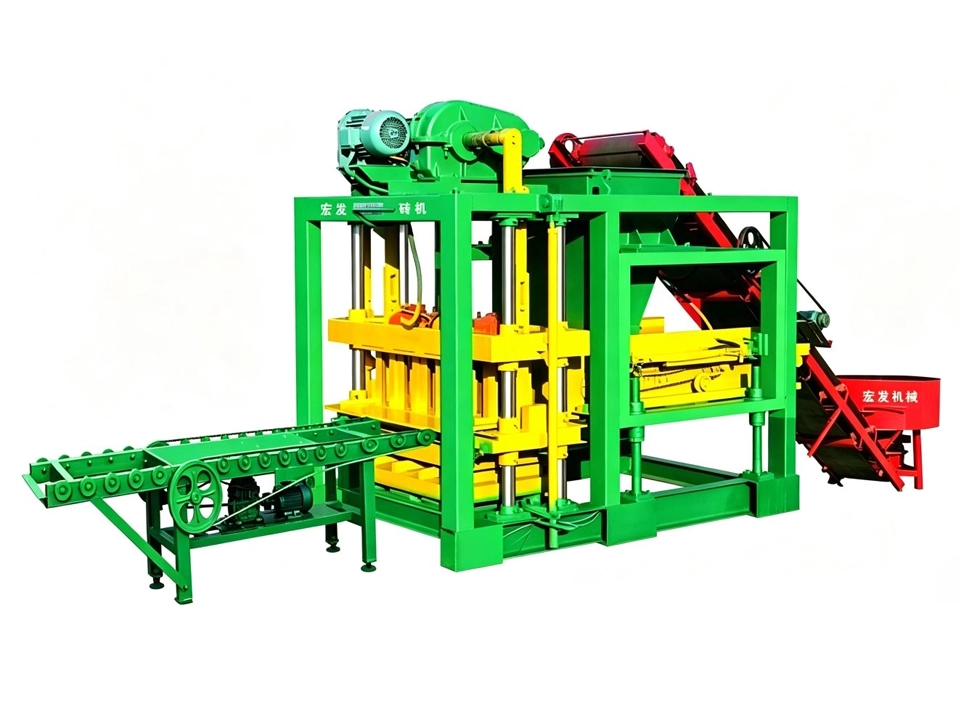
1. Normal‑temperature Non‑fired Forming Technology, Eliminate Smoke and Exhaust at Source and Realize Resource Disposal of Diversified Local Solid Waste
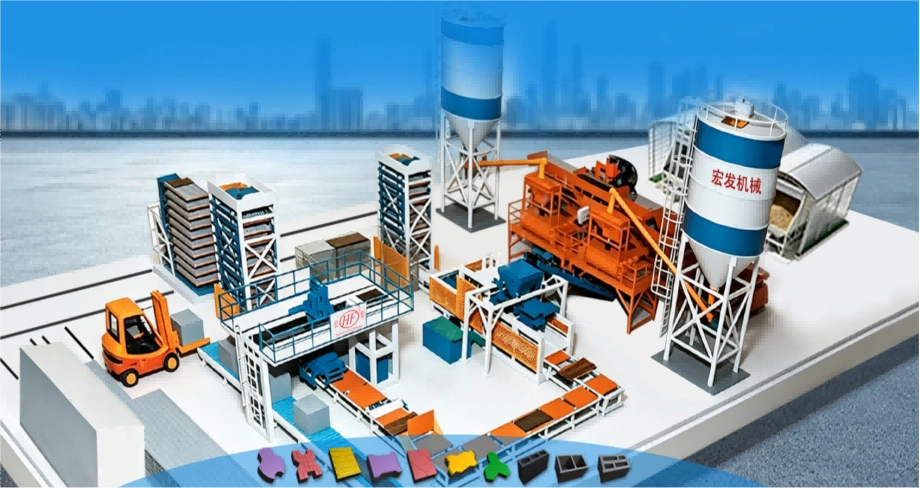
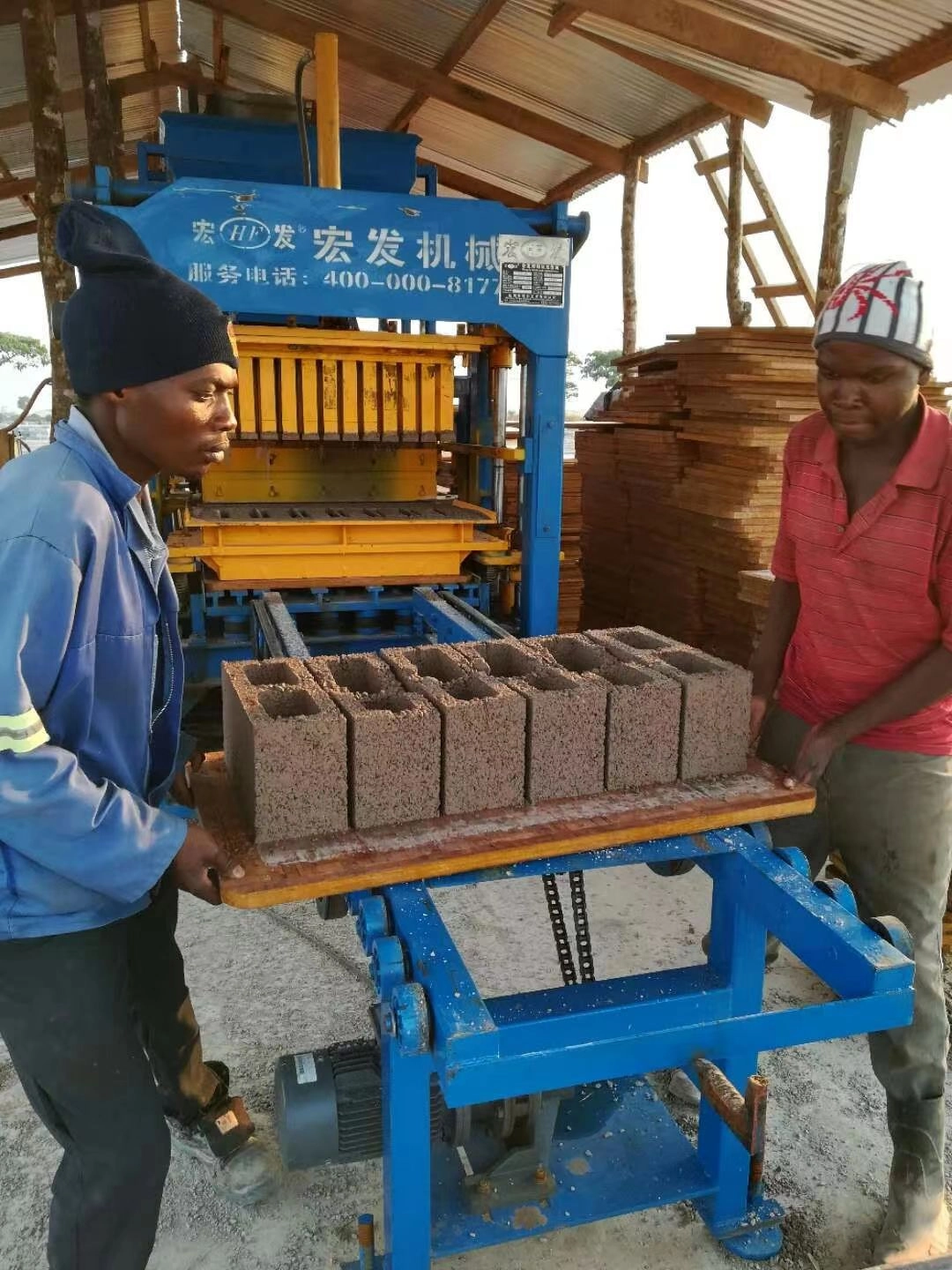
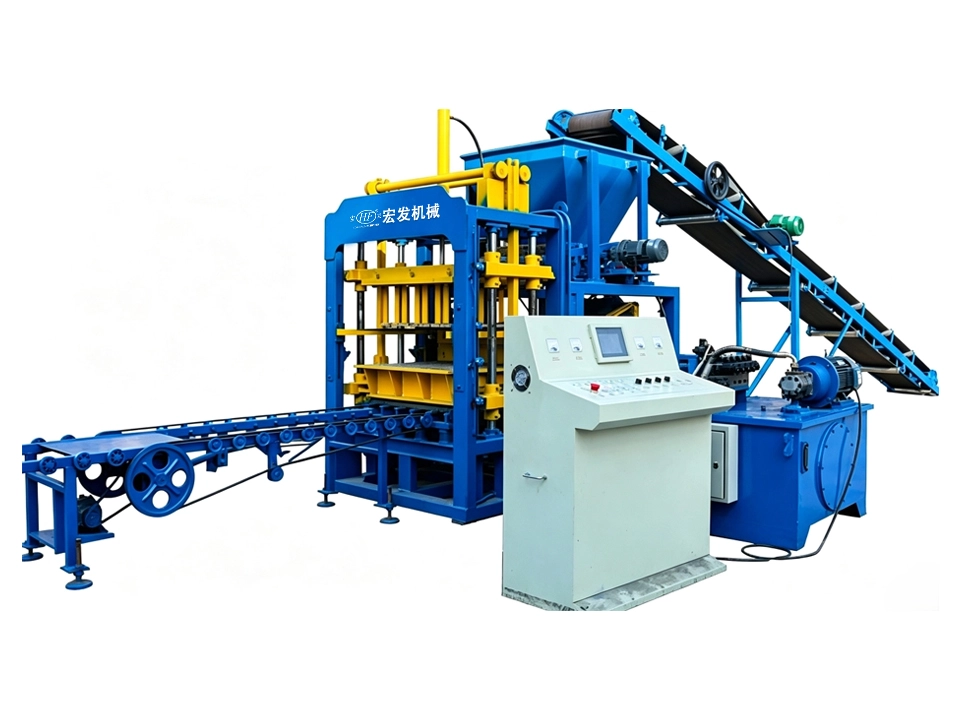
QT4‑25 full‑set production line adopts cold‑press vibration non‑fired forming under normal temperature. It completely removes high‑temperature sintering kilns which are compulsory for traditional fired brick production. There is no high‑temperature burning procedure along the whole production chain, generating no continuous smoke or kiln exhaust. Root‑level environmental risks such as flue‑gas leakage and dust overflow that easily trigger penalties are eliminated. Different from ordinary brick‑making equipment, this model can handle a wider range of local solid‑waste feedstock. Besides fly ash and slag, locally‑available waste including tailings sand, construction muck and crushed construction debris can serve as major raw materials. It converts solid waste that would otherwise require costly landfill disposal into qualified building blocks. You are freed from extra capital investment for complete flue‑gas treatment systems covering desulfurization, dust collection and online emission monitoring, cutting hardware expenditure and recurring costs for consumable replacement and routine maintenance. Zero‑flue‑gas production and large‑volume waste disposal are achieved simultaneously, fully meeting circular‑economy and environmental‑control requirements worldwide and helping investors stay away from policy‑related business risks brought by fired brick processes.
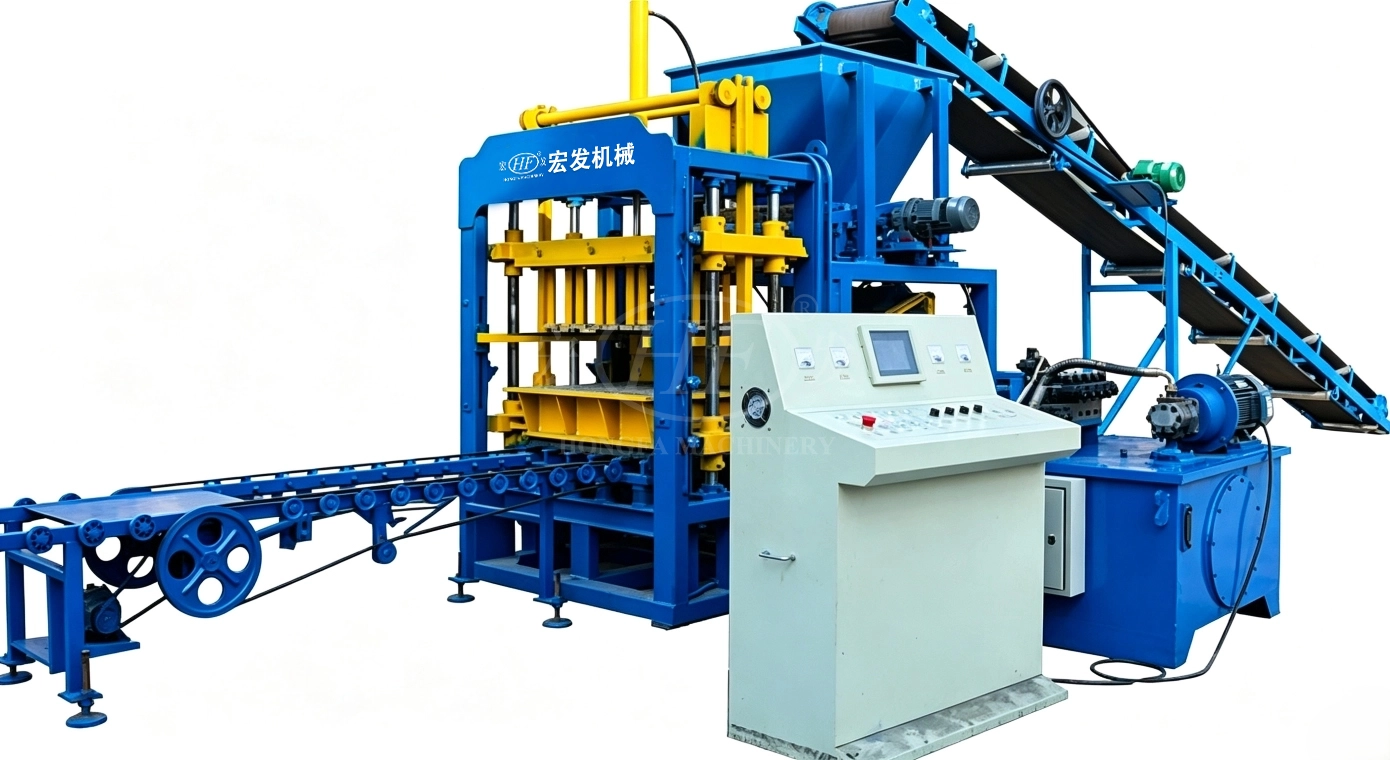
2. Multi‑waste‑recycling Project Profile, Adapt to Global Differentiated Environmental Rules and Lower EIA Barriers for New Factories
Tailored for overseas small‑and‑medium‑size investors, QT4‑25 leverages its strength in processing various industrial and municipal solid waste to adapt to diversified environmental legislations, pollutant limits and solid‑waste recycling regulations in different countries and regions. Classified as low‑pollution building‑material manufacturing with multi‑waste‑recycling highlights, it gains higher recognition from regulatory authorities when you submit factory registration and EIA application documents. It greatly reduces risks of EIA rejection, project suspension and document revision, shortening the overall commissioning cycle for new plants. Investors are not required to repeatedly adjust production‑line layout, inject large‑sum environmental rectification funds or submit supplementary assessment papers many times. Factory construction can be advanced steadily according to original business plans, reducing hidden losses including capital tie‑up and missed local‑market opportunities caused by prolonged approval cycles. It is highly suitable for overseas startup brick‑manufacturing projects with limited budgets.
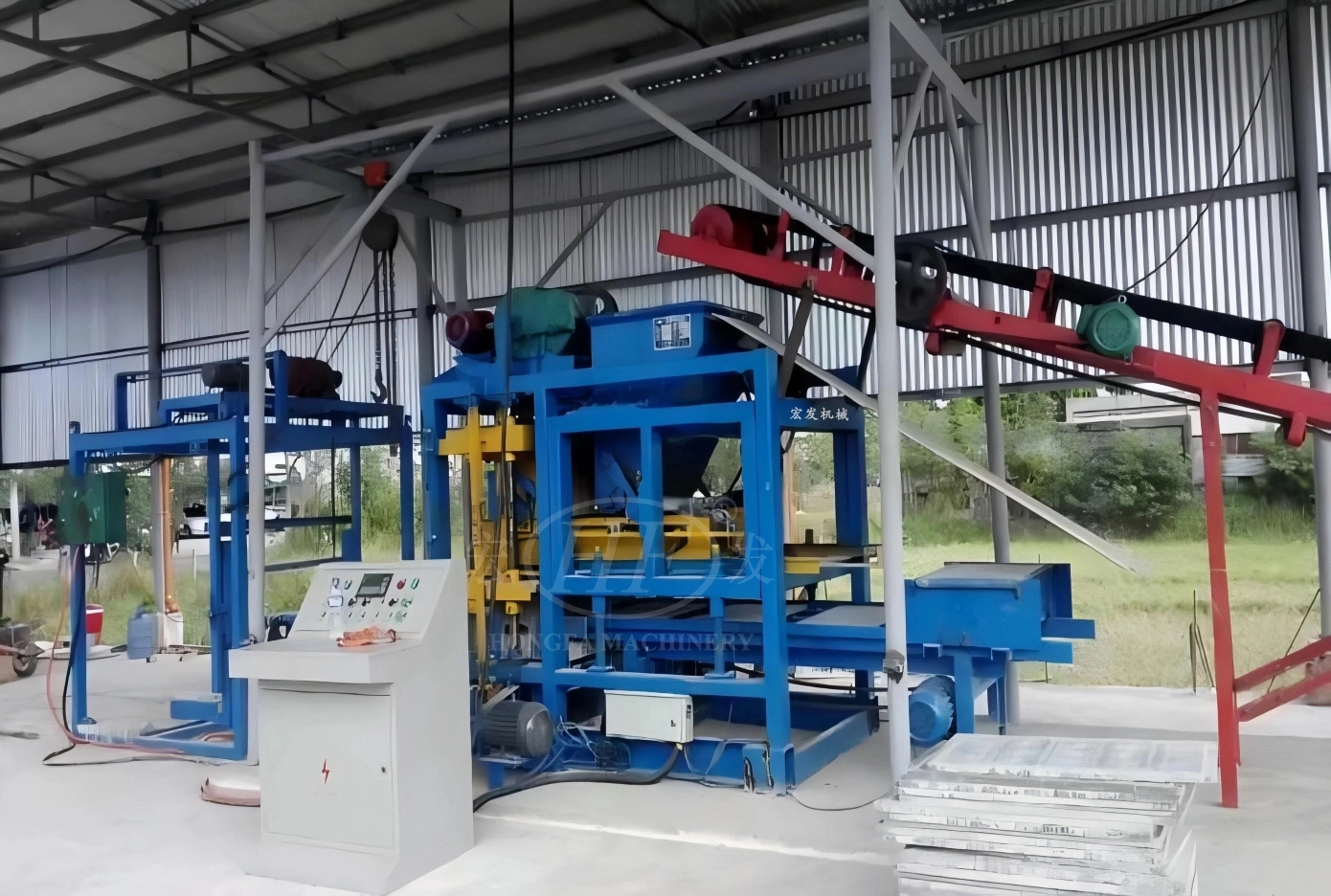
3. Zero‑flue‑gas Production Operation, Cope With Surprise Environmental Audits and Ensure Continuous Production & Stable Order Performance
Benefiting from zero flue‑gas emission across the whole line, your QT4‑25 brick plant will not face emission over‑limit alarms, site sealing or mandatory shutdown orders during unscheduled spot checks, regular online pollution monitoring and regional special environmental rectification campaigns. Heavy administrative fines triggered by sudden environmental inspections are avoided. The production line can maintain stable non‑stop operation for long periods to guarantee on‑time delivery for construction and municipal orders. It prevents chain‑reaction negative impacts such as contract breach, customer churn and damage to corporate reputation caused by unplanned shutdown. Against the background of tightening global environmental supervision, this solution minimizes operational uncertainties arising from environmental inspections and stabilizes plant operating revenue. Compound economic losses from penalties, forced shutdowns and lost customer orders are effectively avoided, so investors will not suffer passive business shocks due to shifting environmental policies.
4. Produce Composite Recycled Green Building Materials From Multi‑source Solid Waste, Obtain Municipal Green Project Tender Qualification and Develop High‑value Official Engineering Channels
All blocks manufactured by QT4‑25 are composite green building materials recycled from multiple types of solid waste. Their capability of consuming large quantities of local industrial and municipal waste fully satisfies bid‑entry standards for government green‑procurement projects including municipal roads, sponge‑city development, landscape gardening and river ecological slope protection. Many overseas official green projects explicitly forbid fired‑brick suppliers from tender participation, while non‑fired recycled blocks from this machine can enter candidate bidding lists smoothly. Investors gain access to official engineering channels unreachable for traditional fired‑brick manufacturers and secure long‑term municipal projects with reliable payment cycles and considerable order volume. You can step out of low‑price cut‑throat competition in building‑material retail, develop high‑added‑value business sources and improve overall order quality and profit margin, breaking the limitation that small brick plants can only take retail‑oriented orders.
5. No Kiln‑related Infrastructure Required, Compact Line Layout to Reduce Up‑front Compliance Investment for Factory Setup
QT4‑25 non‑fired brick‑making solution removes demands for large‑scale infrastructure such as kiln workshops, long flue ducts, kiln‑residue storage yards and independent waste‑gas treatment rooms. Featuring compact layout, the whole line imposes no strict constraints on factory land area or workshop height. One‑time upfront costs for land rental, civil engineering and environmental auxiliary facilities are substantially reduced. Large shares of startup capital will no longer be consumed on kiln construction and flue‑gas‑treatment infrastructure. Saved funds can be prioritized for revenue‑generating activities such as raw‑material stocking, local‑market promotion, customer development and order preparation. It works well for first‑time overseas investors with limited budgets, as well as existing small fired‑brick plants undertaking environmental upgrades to avoid policy‑driven phase‑out risks, matching diverse capital budgets and business‑transformation requirements.
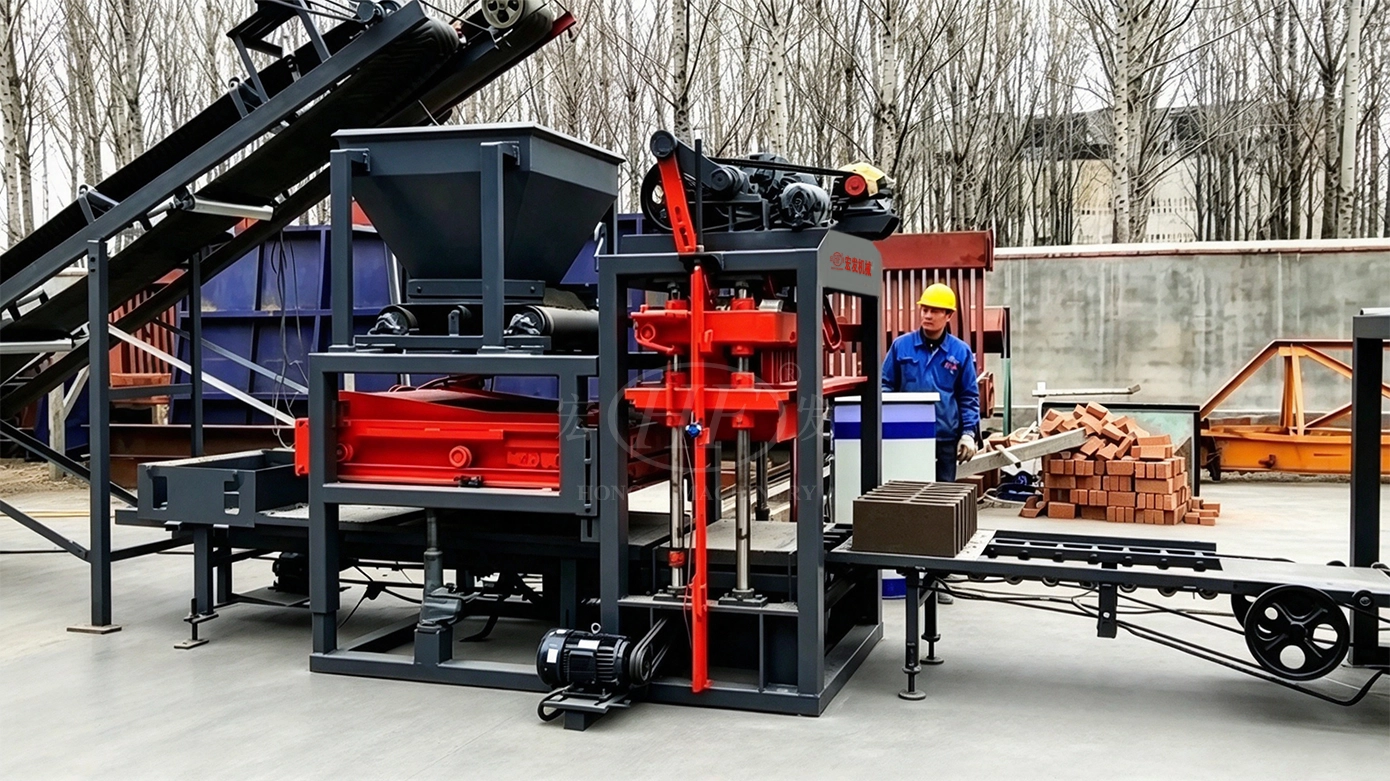
6. Quick‑change Molds for Full‑range Compliant Products, Enrich Green Product Portfolio and Strengthen Plant Resilience Against Market Fluctuations
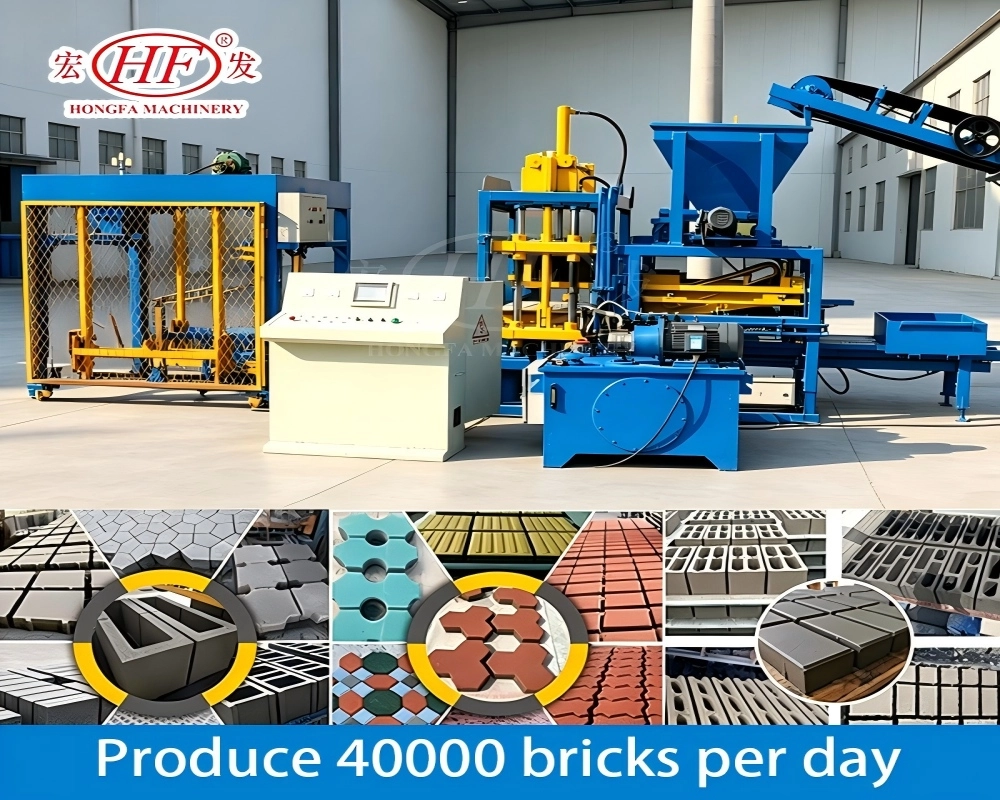
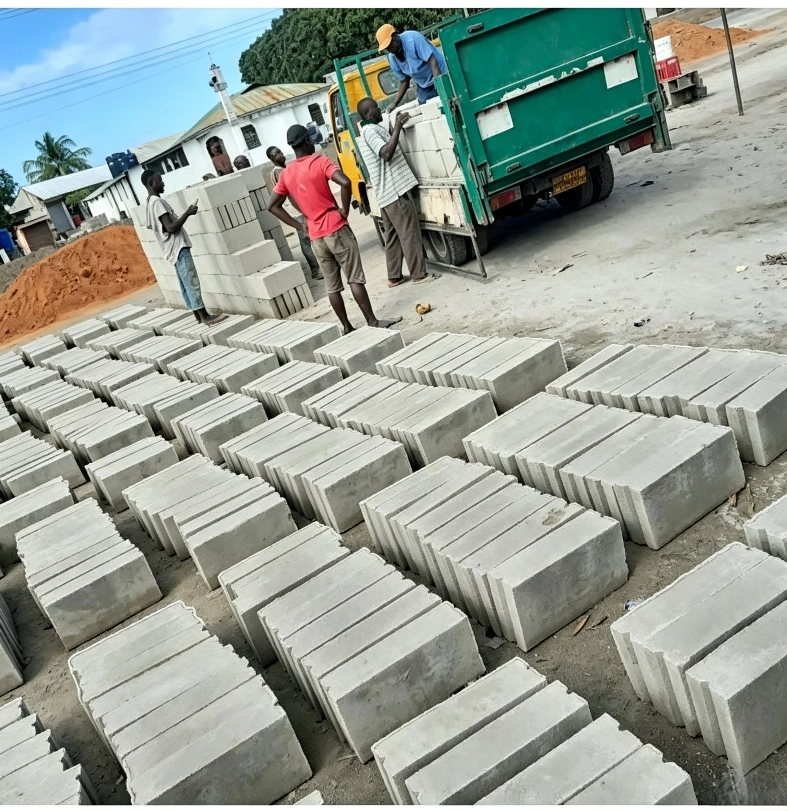
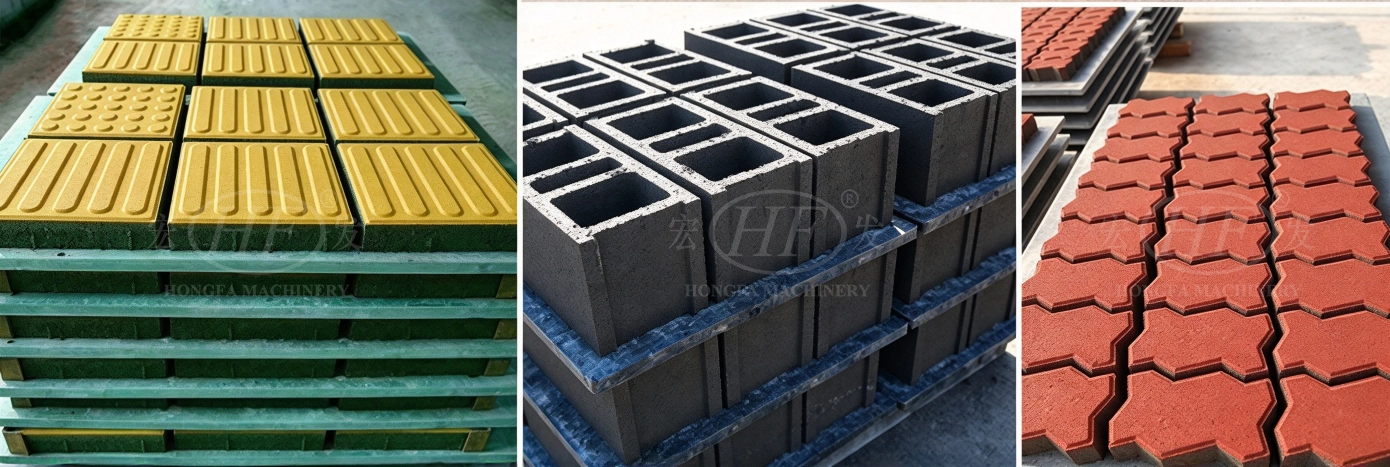
By simply replacing molds on one QT4‑25 main unit, you can flexibly produce various non‑fired concrete products including solid standard bricks, hollow blocks, permeable paving bricks, grass‑planting bricks, river slope‑protection blocks and curb stones. All finished goods are zero‑emission compliant recycled building materials and are exempt from local smoke‑emission control policies. The diversified product portfolio covers multiple downstream markets such as residential construction, park landscape paving, water‑conservancy slope stabilization and urban‑rural road renovation. A single production line can handle multi‑category customer orders. You can adjust product mix responsively following local‑market demand changes without building extra production capacity for new items. It continuously expands market sales coverage of compliant green building materials and enhances the plant’s comprehensive capability to withstand local‑market fluctuations.
1. Normal‑temperature Non‑fired Forming Technology, Eliminate Smoke and Exhaust at Source and Realize Resource Disposal of Diversified Local Solid Waste
QT4‑25 full‑set production line adopts cold‑press vibration non‑fired forming under normal temperature. It completely removes high‑temperature sintering kilns which are compulsory for traditional fired brick production. There is no high‑temperature burning procedure along the whole production chain, generating no continuous smoke or kiln exhaust. Root‑level environmental risks such as flue‑gas leakage and dust overflow that easily trigger penalties are eliminated. Different from ordinary brick‑making equipment, this model can handle a wider range of local solid‑waste feedstock. Besides fly ash and slag, locally‑available waste including tailings sand, construction muck and crushed construction debris can serve as major raw materials. It converts solid waste that would otherwise require costly landfill disposal into qualified building blocks. You are freed from extra capital investment for complete flue‑gas treatment systems covering desulfurization, dust collection and online emission monitoring, cutting hardware expenditure and recurring costs for consumable replacement and routine maintenance. Zero‑flue‑gas production and large‑volume waste disposal are achieved simultaneously, fully meeting circular‑economy and environmental‑control requirements worldwide and helping investors stay away from policy‑related business risks brought by fired brick processes.
2. Multi‑waste‑recycling Project Profile, Adapt to Global Differentiated Environmental Rules and Lower EIA Barriers for New Factories
Tailored for overseas small‑and‑medium‑size investors, QT4‑25 leverages its strength in processing various industrial and municipal solid waste to adapt to diversified environmental legislations, pollutant limits and solid‑waste recycling regulations in different countries and regions. Classified as low‑pollution building‑material manufacturing with multi‑waste‑recycling highlights, it gains higher recognition from regulatory authorities when you submit factory registration and EIA application documents. It greatly reduces risks of EIA rejection, project suspension and document revision, shortening the overall commissioning cycle for new plants. Investors are not required to repeatedly adjust production‑line layout, inject large‑sum environmental rectification funds or submit supplementary assessment papers many times. Factory construction can be advanced steadily according to original business plans, reducing hidden losses including capital tie‑up and missed local‑market opportunities caused by prolonged approval cycles. It is highly suitable for overseas startup brick‑manufacturing projects with limited budgets.
3. Zero‑flue‑gas Production Operation, Cope With Surprise Environmental Audits and Ensure Continuous Production & Stable Order Performance
Benefiting from zero flue‑gas emission across the whole line, your QT4‑25 brick plant will not face emission over‑limit alarms, site sealing or mandatory shutdown orders during unscheduled spot checks, regular online pollution monitoring and regional special environmental rectification campaigns. Heavy administrative fines triggered by sudden environmental inspections are avoided. The production line can maintain stable non‑stop operation for long periods to guarantee on‑time delivery for construction and municipal orders. It prevents chain‑reaction negative impacts such as contract breach, customer churn and damage to corporate reputation caused by unplanned shutdown. Against the background of tightening global environmental supervision, this solution minimizes operational uncertainties arising from environmental inspections and stabilizes plant operating revenue. Compound economic losses from penalties, forced shutdowns and lost customer orders are effectively avoided, so investors will not suffer passive business shocks due to shifting environmental policies.
4. Produce Composite Recycled Green Building Materials From Multi‑source Solid Waste, Obtain Municipal Green Project Tender Qualification and Develop High‑value Official Engineering Channels
All blocks manufactured by QT4‑25 are composite green building materials recycled from multiple types of solid waste. Their capability of consuming large quantities of local industrial and municipal waste fully satisfies bid‑entry standards for government green‑procurement projects including municipal roads, sponge‑city development, landscape gardening and river ecological slope protection. Many overseas official green projects explicitly forbid fired‑brick suppliers from tender participation, while non‑fired recycled blocks from this machine can enter candidate bidding lists smoothly. Investors gain access to official engineering channels unreachable for traditional fired‑brick manufacturers and secure long‑term municipal projects with reliable payment cycles and considerable order volume. You can step out of low‑price cut‑throat competition in building‑material retail, develop high‑added‑value business sources and improve overall order quality and profit margin, breaking the limitation that small brick plants can only take retail‑oriented orders.
5. No Kiln‑related Infrastructure Required, Compact Line Layout to Reduce Up‑front Compliance Investment for Factory Setup
QT4‑25 non‑fired brick‑making solution removes demands for large‑scale infrastructure such as kiln workshops, long flue ducts, kiln‑residue storage yards and independent waste‑gas treatment rooms. Featuring compact layout, the whole line imposes no strict constraints on factory land area or workshop height. One‑time upfront costs for land rental, civil engineering and environmental auxiliary facilities are substantially reduced. Large shares of startup capital will no longer be consumed on kiln construction and flue‑gas‑treatment infrastructure. Saved funds can be prioritized for revenue‑generating activities such as raw‑material stocking, local‑market promotion, customer development and order preparation. It works well for first‑time overseas investors with limited budgets, as well as existing small fired‑brick plants undertaking environmental upgrades to avoid policy‑driven phase‑out risks, matching diverse capital budgets and business‑transformation requirements.
6. Quick‑change Molds for Full‑range Compliant Products, Enrich Green Product Portfolio and Strengthen Plant Resilience Against Market Fluctuations
By simply replacing molds on one QT4‑25 main unit, you can flexibly produce various non‑fired concrete products including solid standard bricks, hollow blocks, permeable paving bricks, grass‑planting bricks, river slope‑protection blocks and curb stones. All finished goods are zero‑emission compliant recycled building materials and are exempt from local smoke‑emission control policies. The diversified product portfolio covers multiple downstream markets such as residential construction, park landscape paving, water‑conservancy slope stabilization and urban‑rural road renovation. A single production line can handle multi‑category customer orders. You can adjust product mix responsively following local‑market demand changes without building extra production capacity for new items. It continuously expands market sales coverage of compliant green building materials and enhances the plant’s comprehensive capability to withstand local‑market fluctuations.
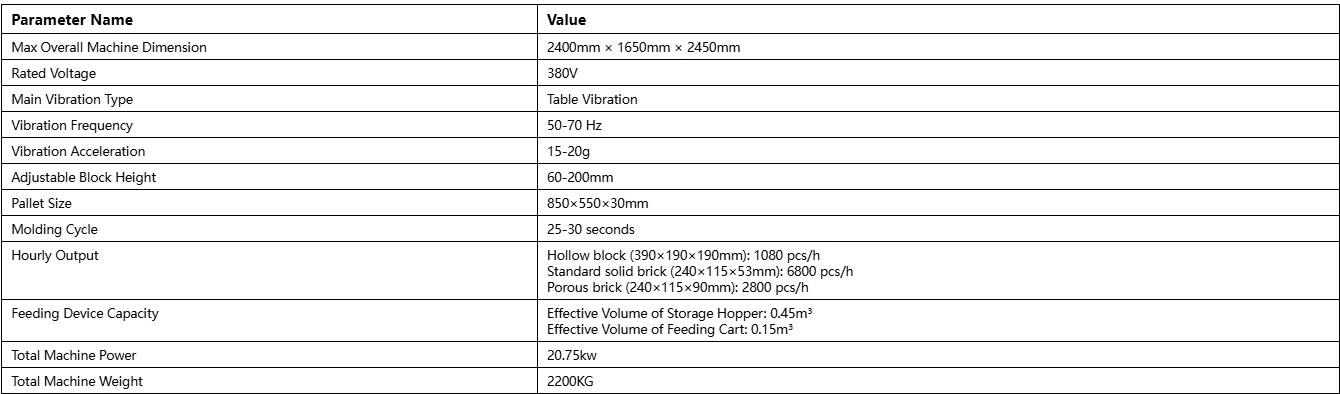

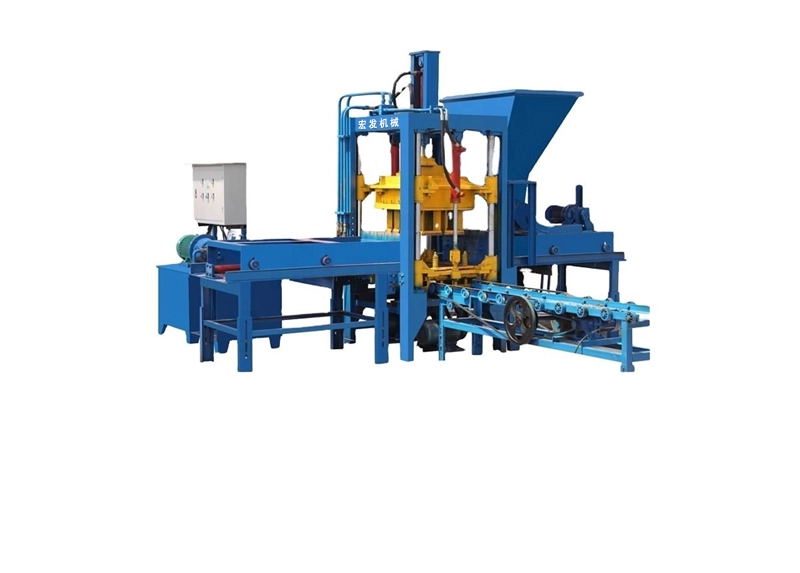 QTF3‑20 Full-automatic Brick Forming Machine | Load‑bearing Wall Brick Equipment For Medium‑small Brick Plants
QTF3‑20 automatic table‑vibration block forming main machine adopts box‑type table‑vibration excitation structure, Taiwa...

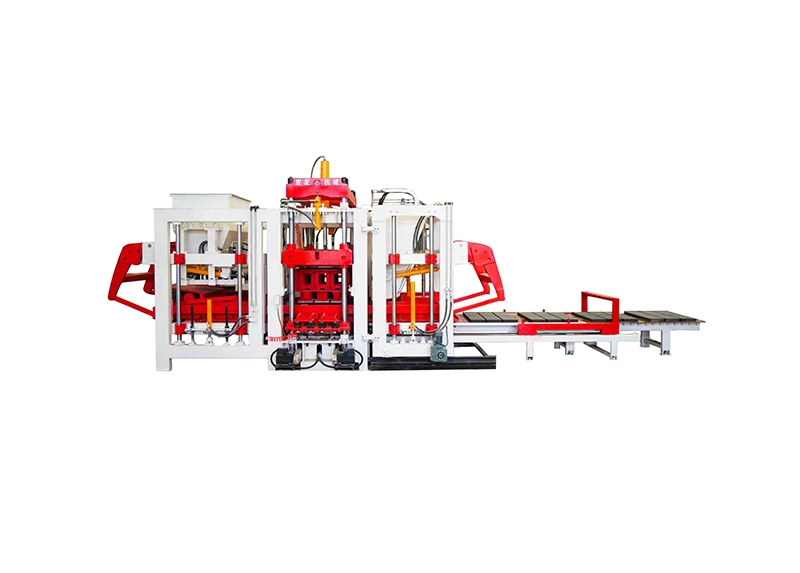 HF18 Brick Forming Machine | Extra‑large‑scale High‑compressive Structural‑wall Brick Manufacturing Equipment
HF18 full‑intelligent servo block forming main machine adopts servo‑driven vibration system, Vitos servo proportional hy...
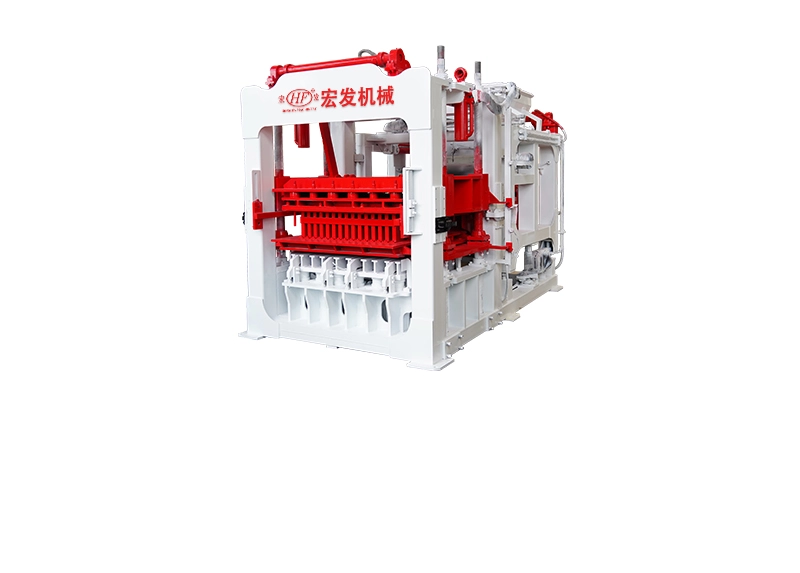 QT12‑15F Full-automatic Brick Forming Machine | High‑compressive Structural‑wall Manufacturing Equipment For Large‑scale Projects
QT12‑15F automatic table‑vibration block forming main machine is equipped with frequency‑synchronized table‑vibration sy...
Shandong Hongfa Scientific Industrial&Trading Co.,Ltd ©️2026Copyright © LU ICP B 16041216-4